Born in Japan and having lived in the UK for over a decade, my work bridges Japanese and European architectural contexts. Drawing on my experience at Kengo Kuma & Associates, I explore how urban frameworks shape the spaces we inhabit.
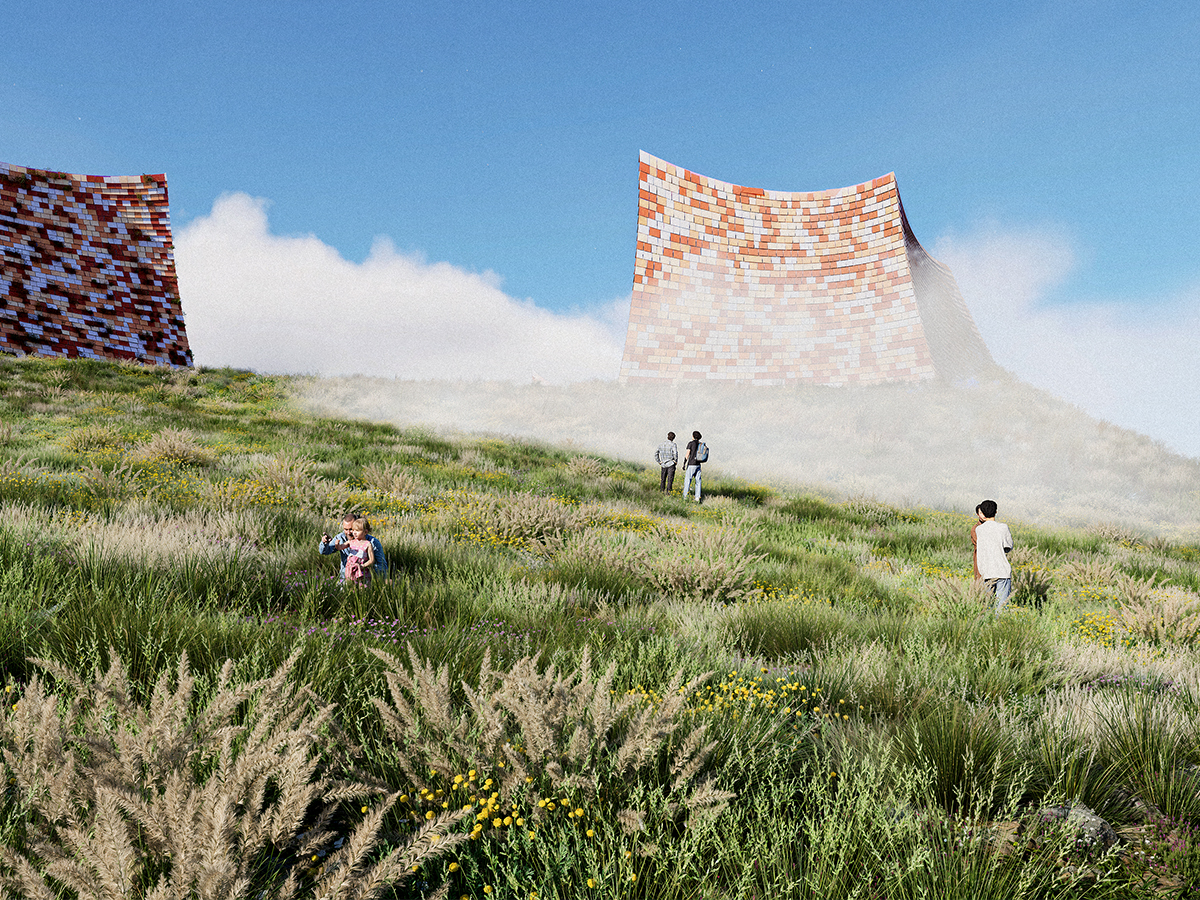
Urban Threshold – Train Station and External Canopy
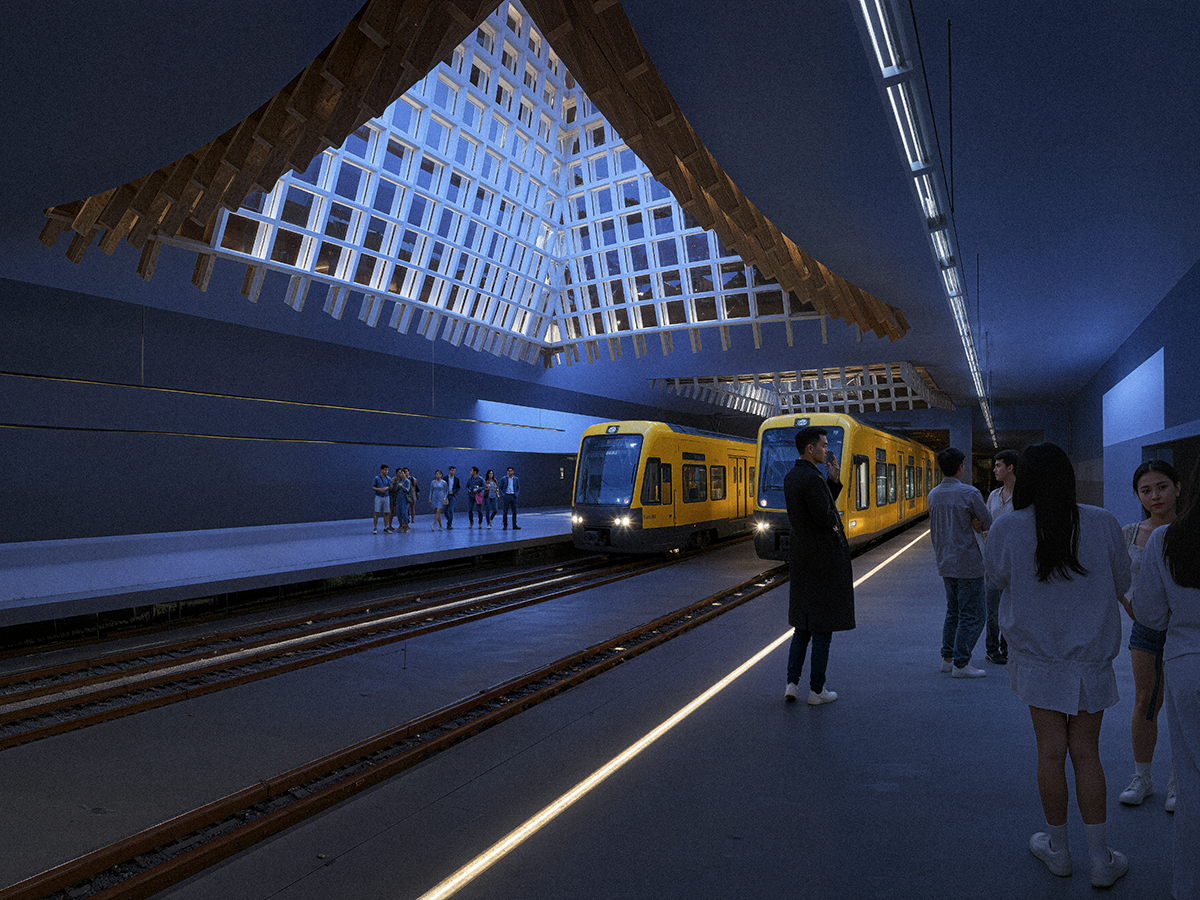
Interior Render – Train Station, B2
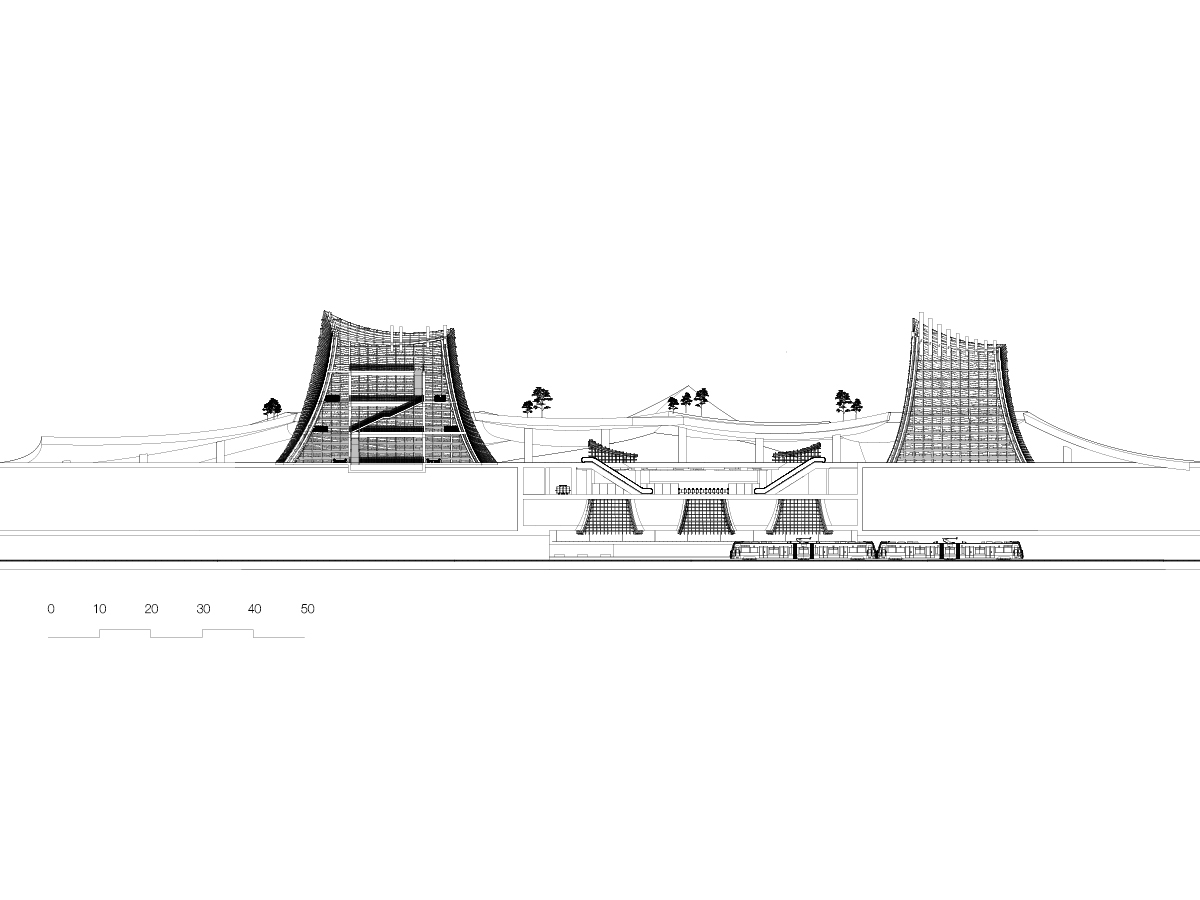
Long Section – 1:200 @ A0
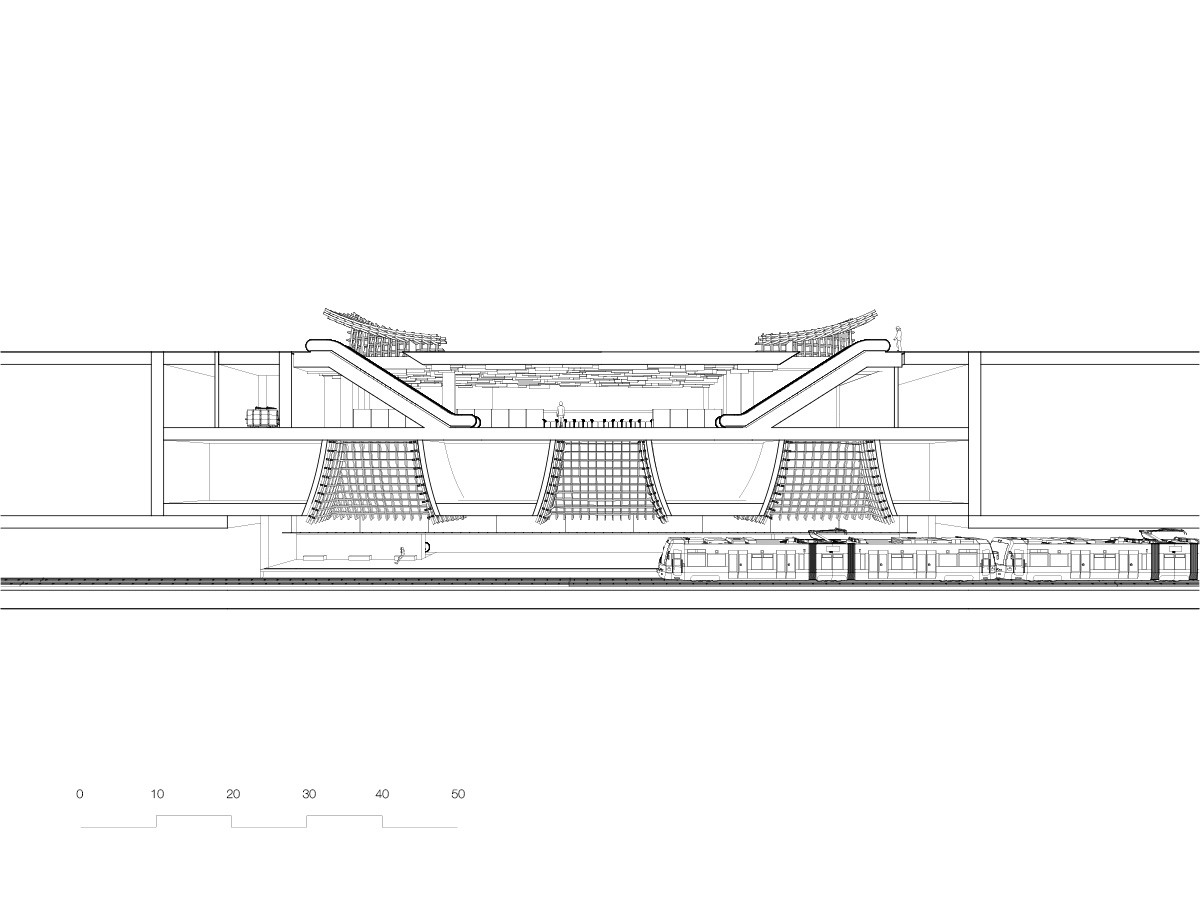
Perspective Section – Train Station
Narrative
Nicosia is the last divided capital in Europe. A buffer zone runs through its centre, holding the city apart since 1974, separating north from south, Turkish Cypriot from Greek Cypriot. For over fifty years, this void has functioned as a boundary defined not by what it contains but by what it forbids. The division persists not through walls but through absence itself.
This project proposes to place a train station in that absence. Cyprus has no railway. The station is therefore not a response to existing demand but an architectural argument that such a network should exist, and that the point where it announces itself should be the very ground where the island was torn in two. If free movement were to open, airport traffic could increase by over thirty per cent, making a rail link between capital and coast immediately justifiable. The station would serve as a central through-stop on a modest island-wide network, with two tracks carrying regional and national services. But the station is more than infrastructure. Nicosia, shaped by centuries of occupation, never received its defining civic square. What the city lacks is a generous public interior, a place that belongs to everyone and announces that belonging through its architecture. The station is conceived as that missing space: a civic monument in the oldest and most democratic sense.
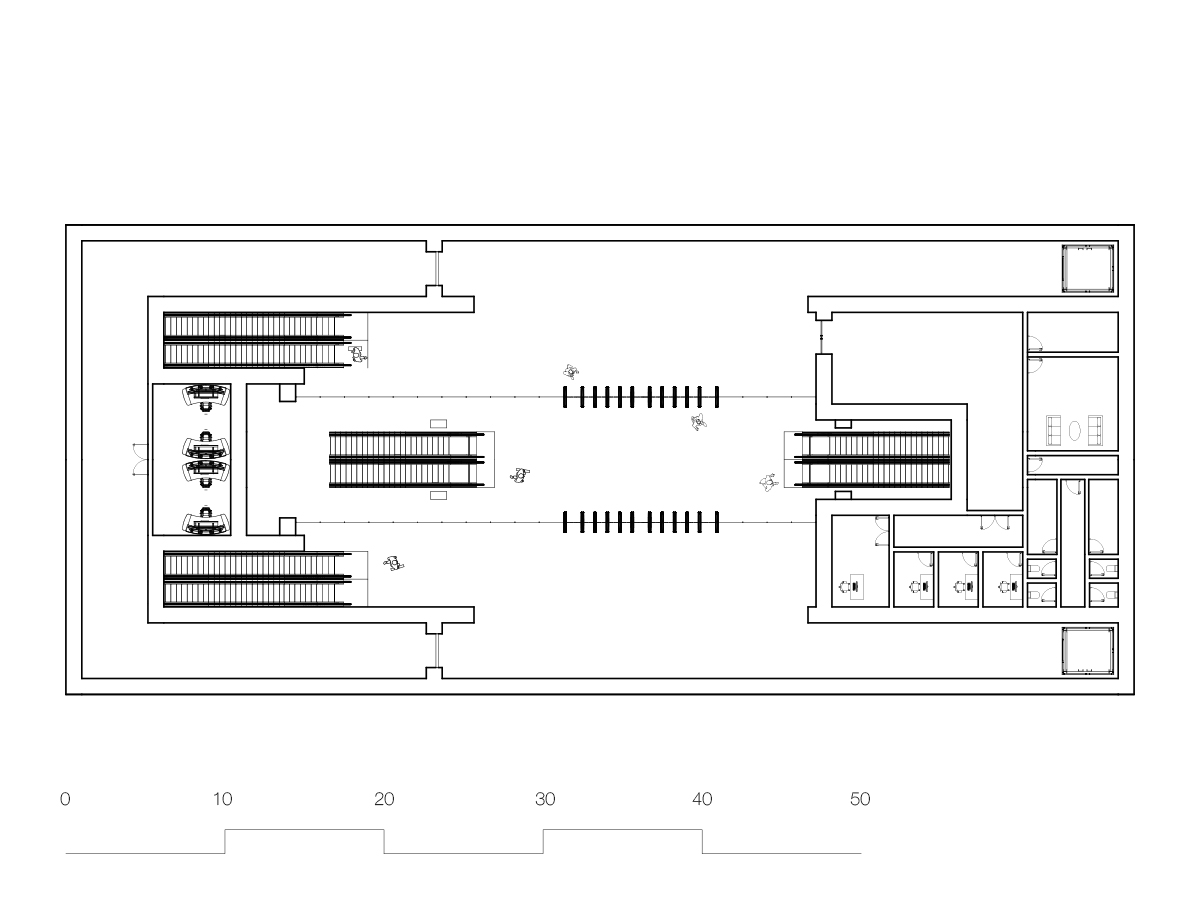
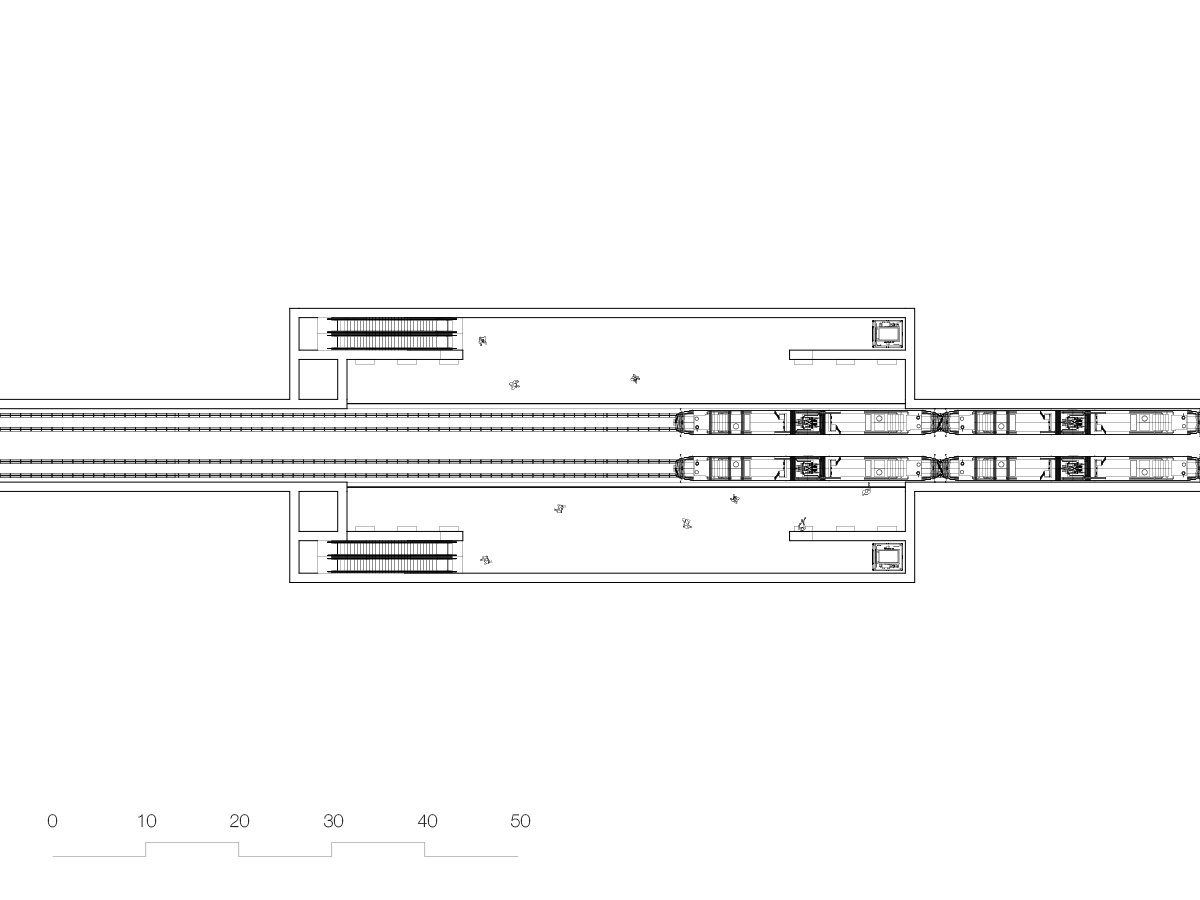
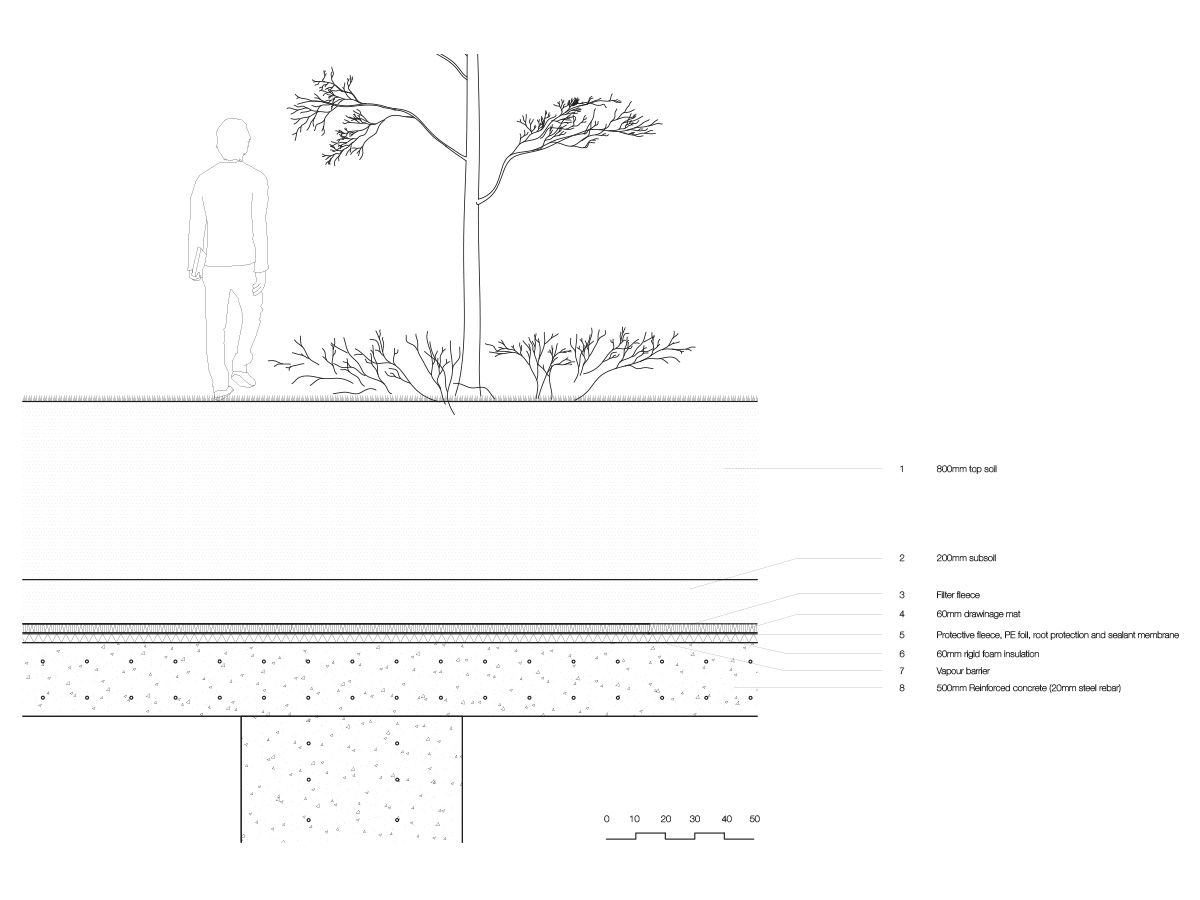
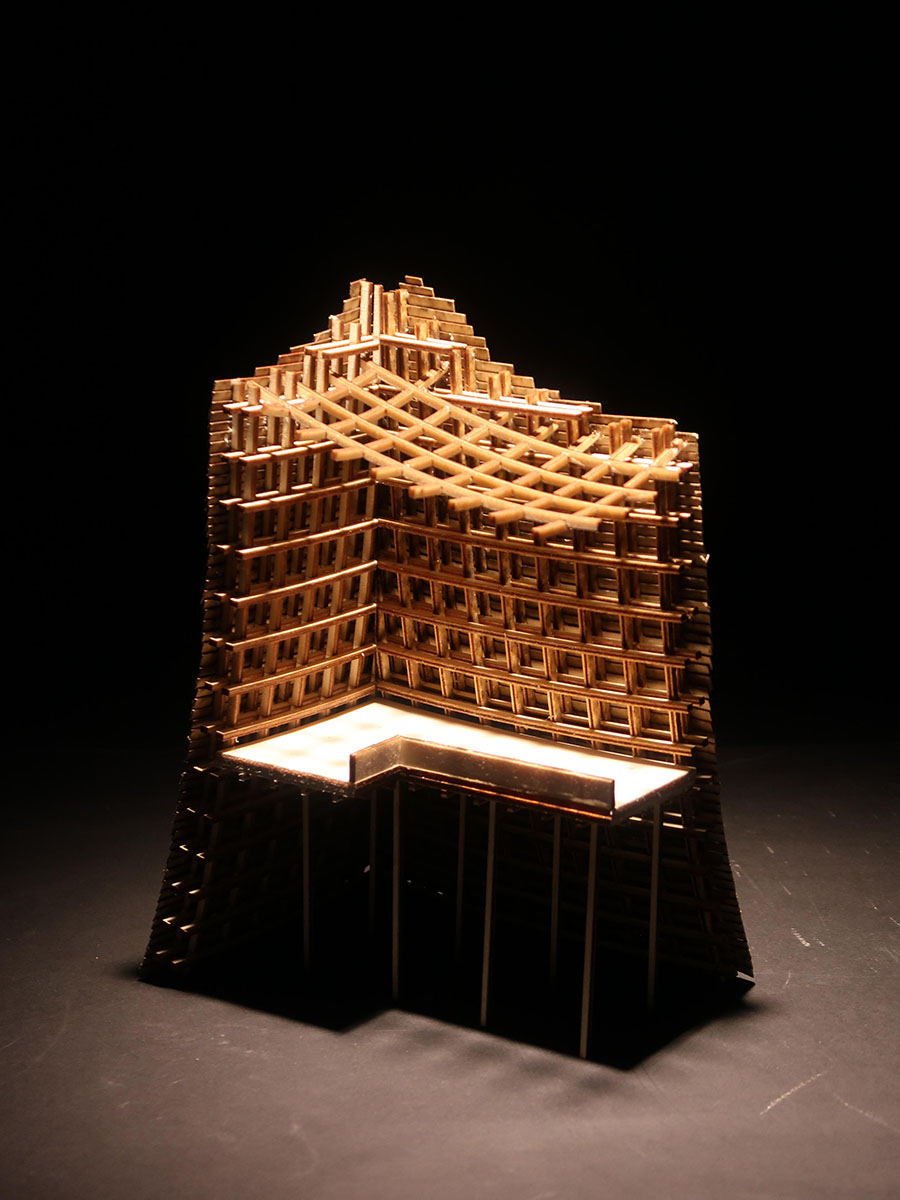
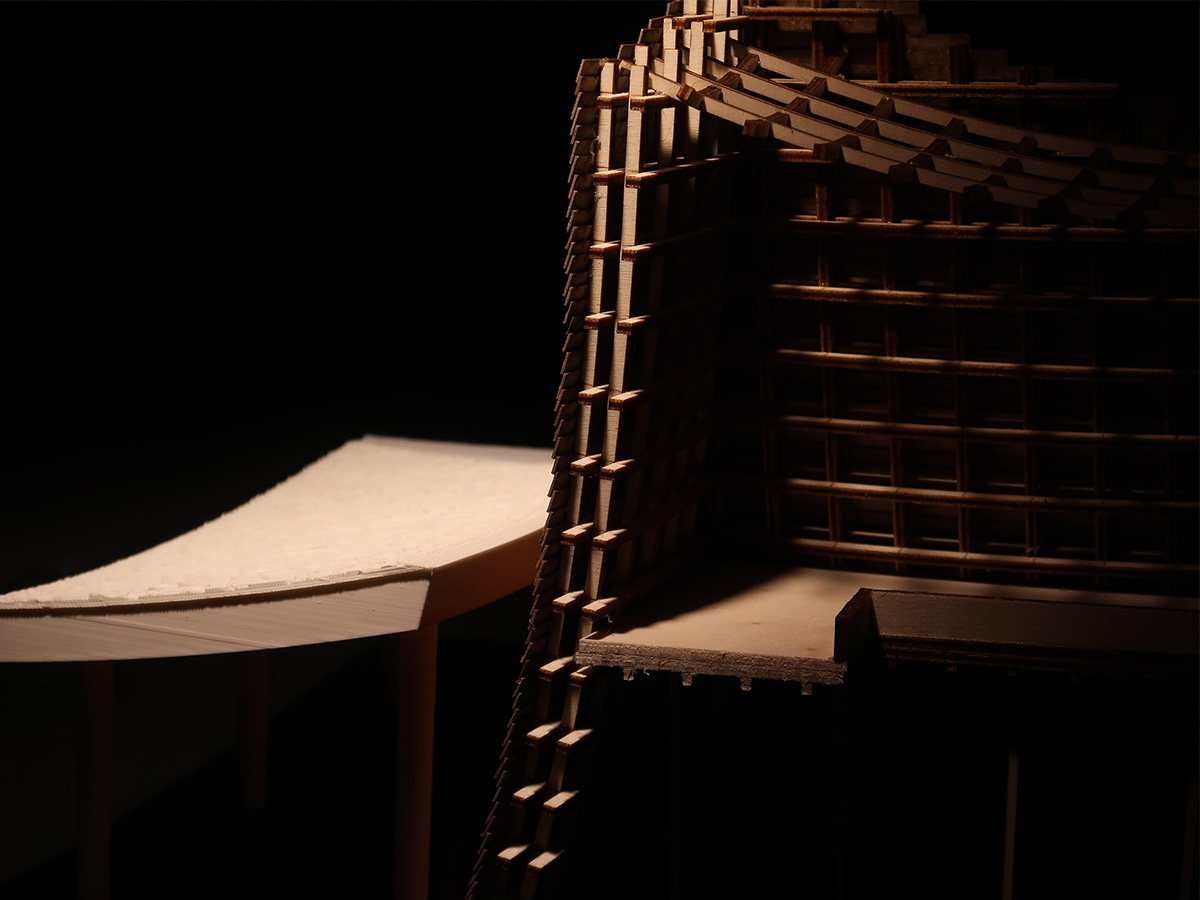
The design is organised across three levels. Underground, platforms occupy two basement levels, freeing the surface entirely for public life. At ground level, a large canopy shelters an open concourse that functions as much as a public square as it does a station hall. By sinking the tracks below ground, the canopy becomes a gathering space for the city: a shaded room open to all, where people meet, wait, pass through, or simply sit, regardless of whether they intend to board a train. Plazas extend from on top of the canopy on both its northern and southern sides, stitching the station into the urban fabric of both halves of Nicosia. Within the canopy, a planted garden references the flora of both northern and southern Cyprus, with species from different regions growing side by side under a single roof. The garden is not decorative. It is a reconciliation landscape, a place where biological coexistence stands in quiet opposition to political division. On a mezzanine above, staff operations sit alongside community exhibition space acknowledging the site’s history. The programme totals approximately five thousand square metres, split roughly eighty per cent public to twenty per cent back-of-house.
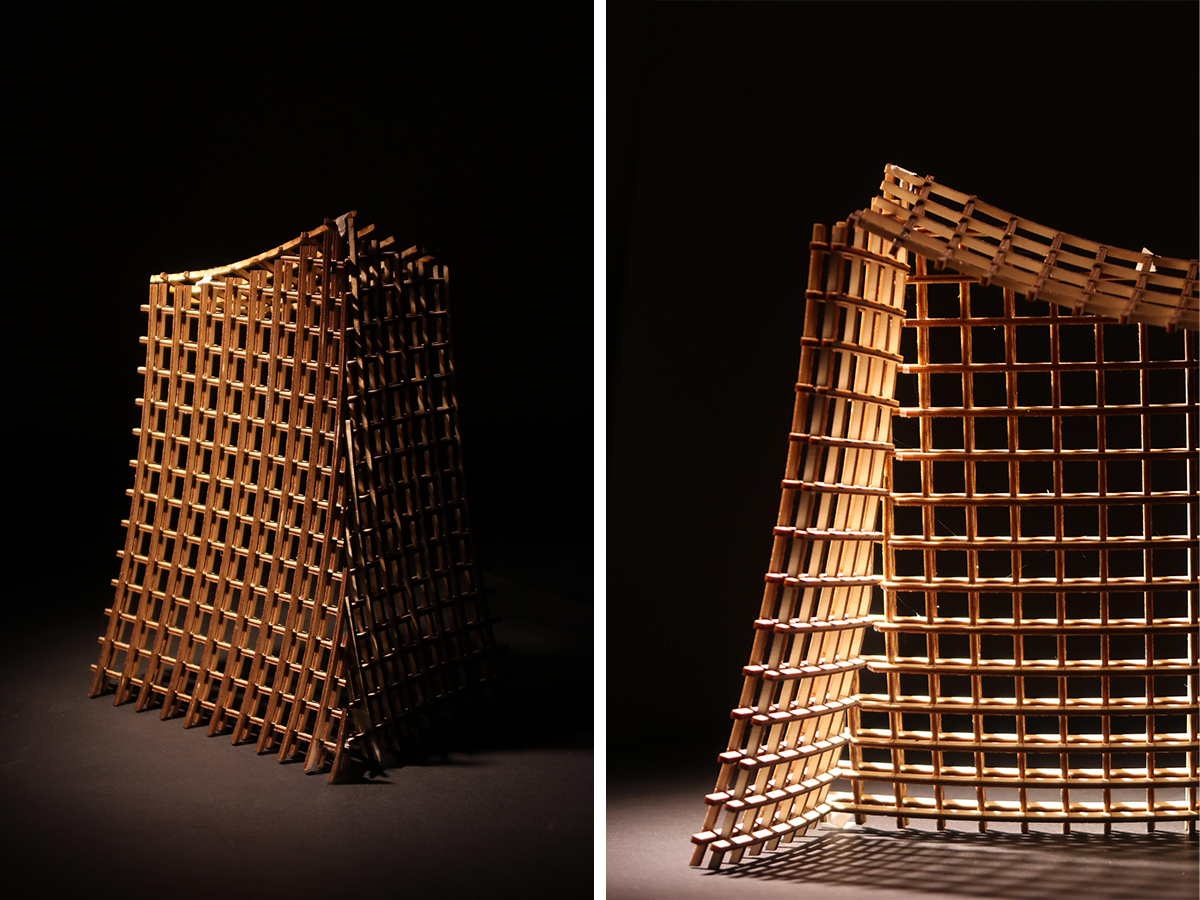
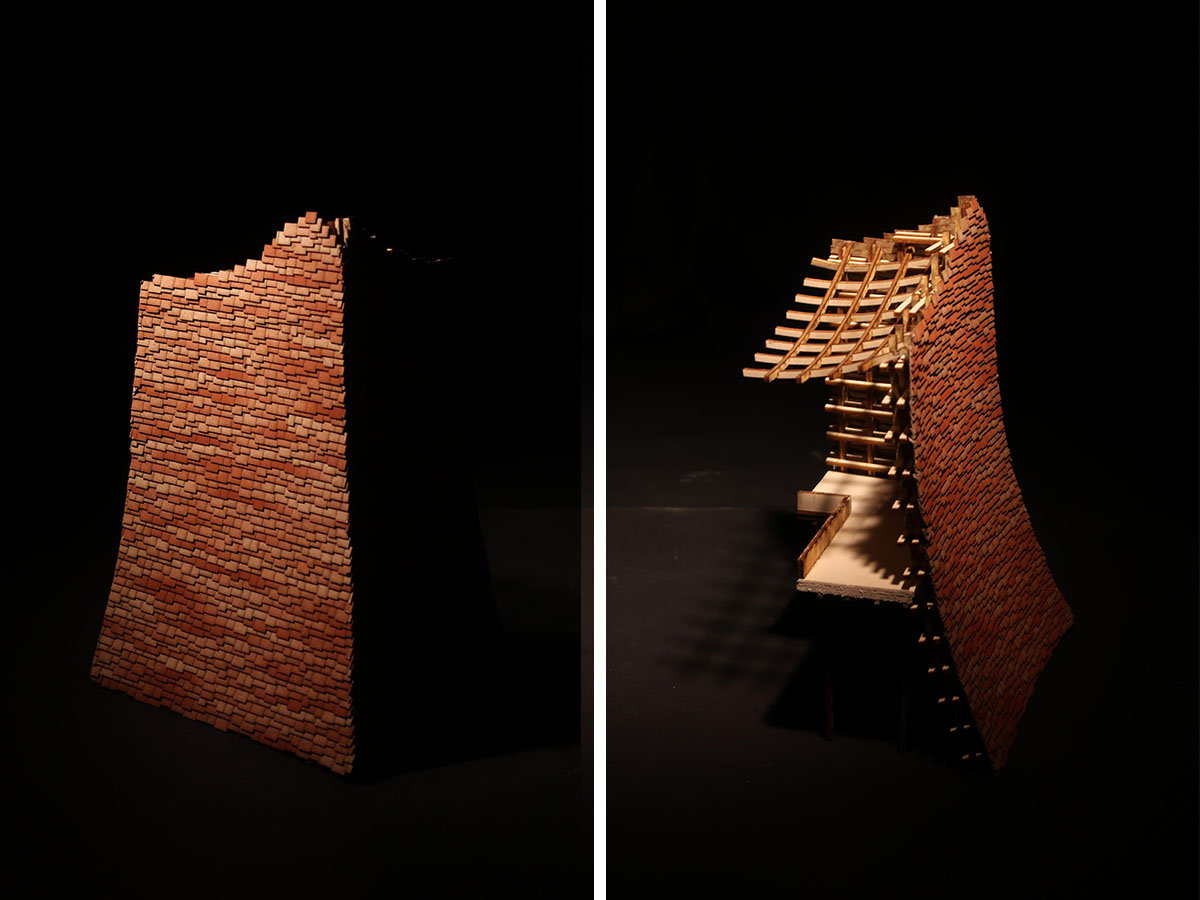
The facades are clad in clay sourced from across Cyprus, and the colour of that clay changes with geography. Coastal deposits produce cream tones. The Nicosia plain yields intermediate hues. Higher elevations give red and ochre clays. Assembled on the same facade, the building’s surface becomes a geological portrait of the island. The variation is not designed; it is inherent. The facade represents reconciliation not through uniformity but through the visible, irreducible fact that the parts are different and the whole holds together anyway. Field research with a local craftsman in Nicosia’s old town catalogued these regional clays and their structural properties, grounding the material strategy in the specific geology of the site it serves.
The project refuses to separate infrastructure from symbolism, transit engineering from civic architecture, material research from political argument. The train station in the buffer zone is not a metaphor for reconciliation. It is a building that, if built, would require reconciliation to function, would make the case for free movement through the fact of its own existence, and would stand as evidence that architecture can still make a claim about what a city believes itself to be.