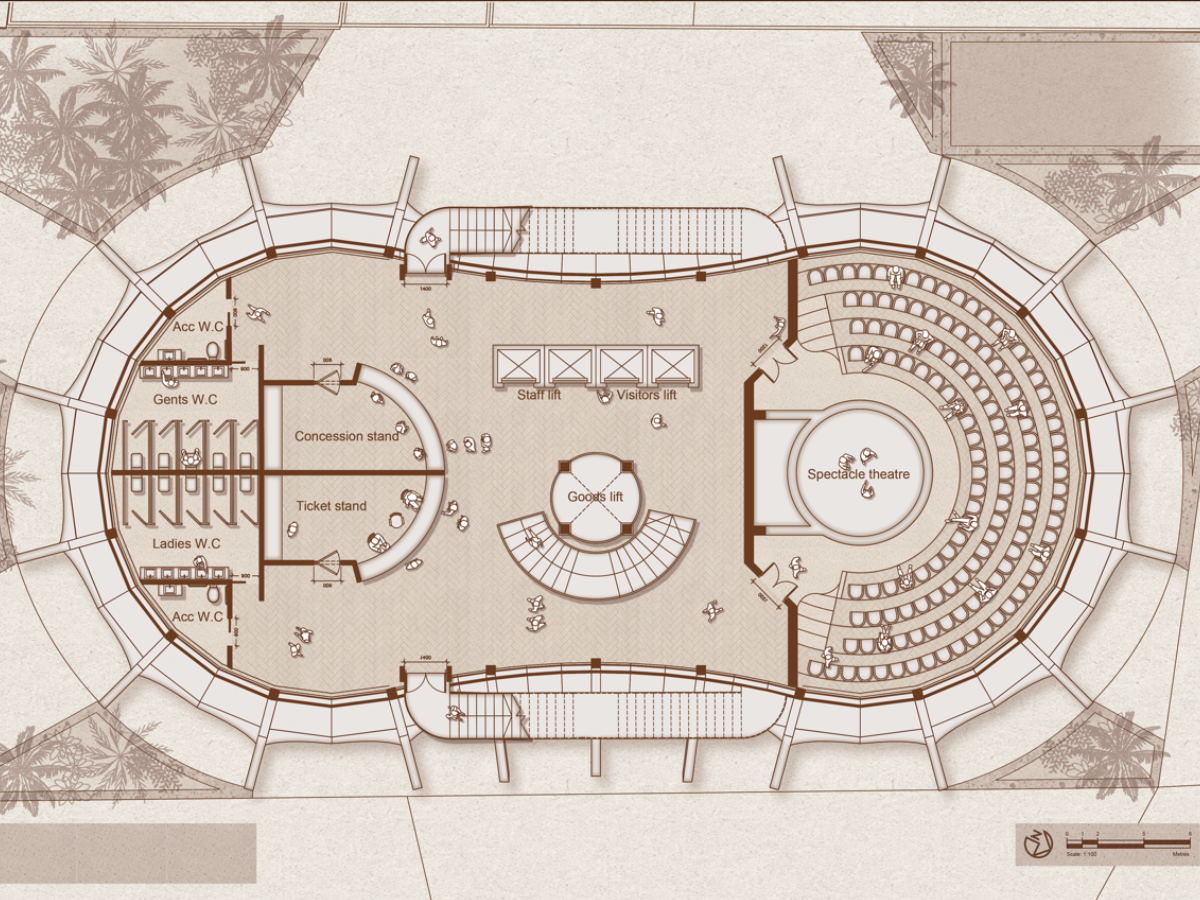


As a Part C Architecture student, I’m drawn to environments shaped by culture and identity. My work explores how architecture can celebrate cultural narratives and share them meaningfully with wider communities.
As a Part C Architecture student, I’m drawn to environments shaped by culture and identity. My work explores how architecture can celebrate cultural narratives and share them meaningfully with wider communities.
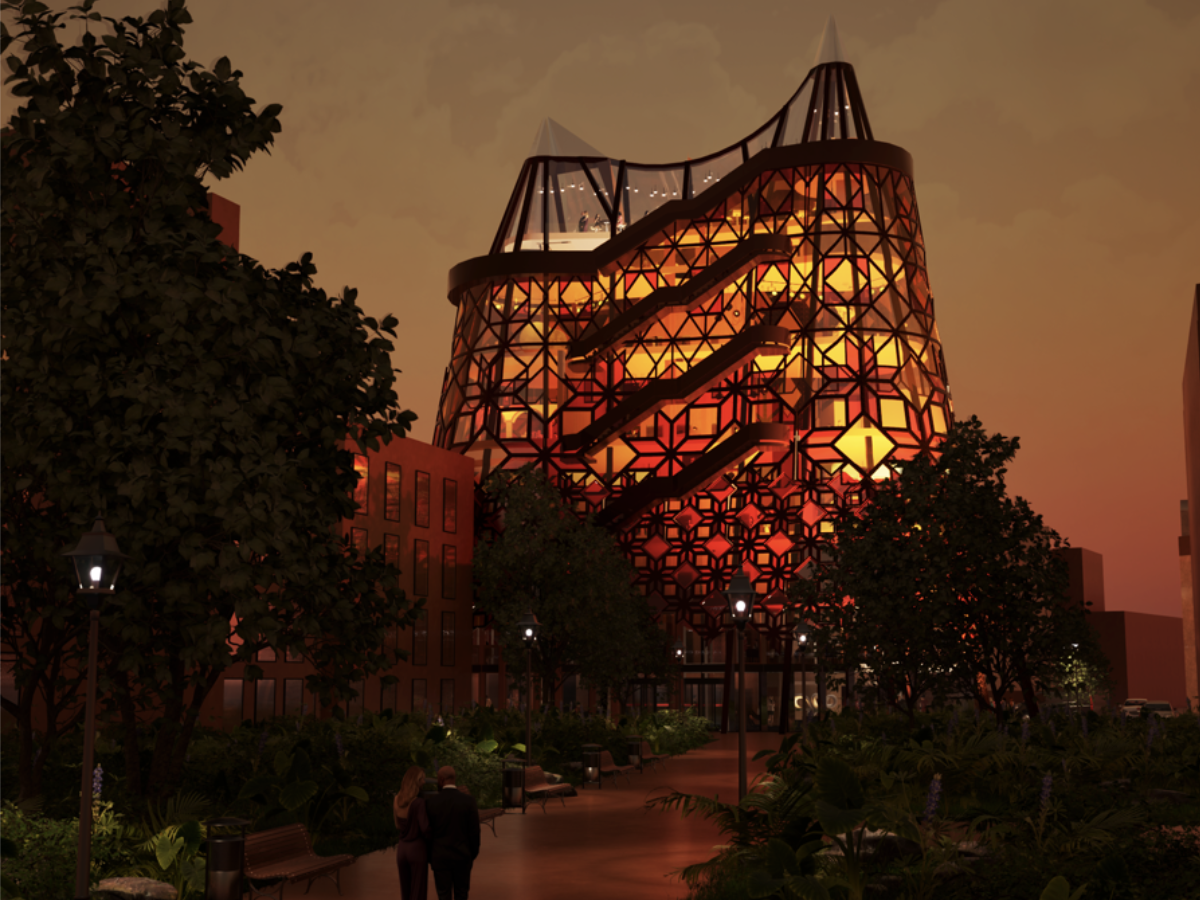
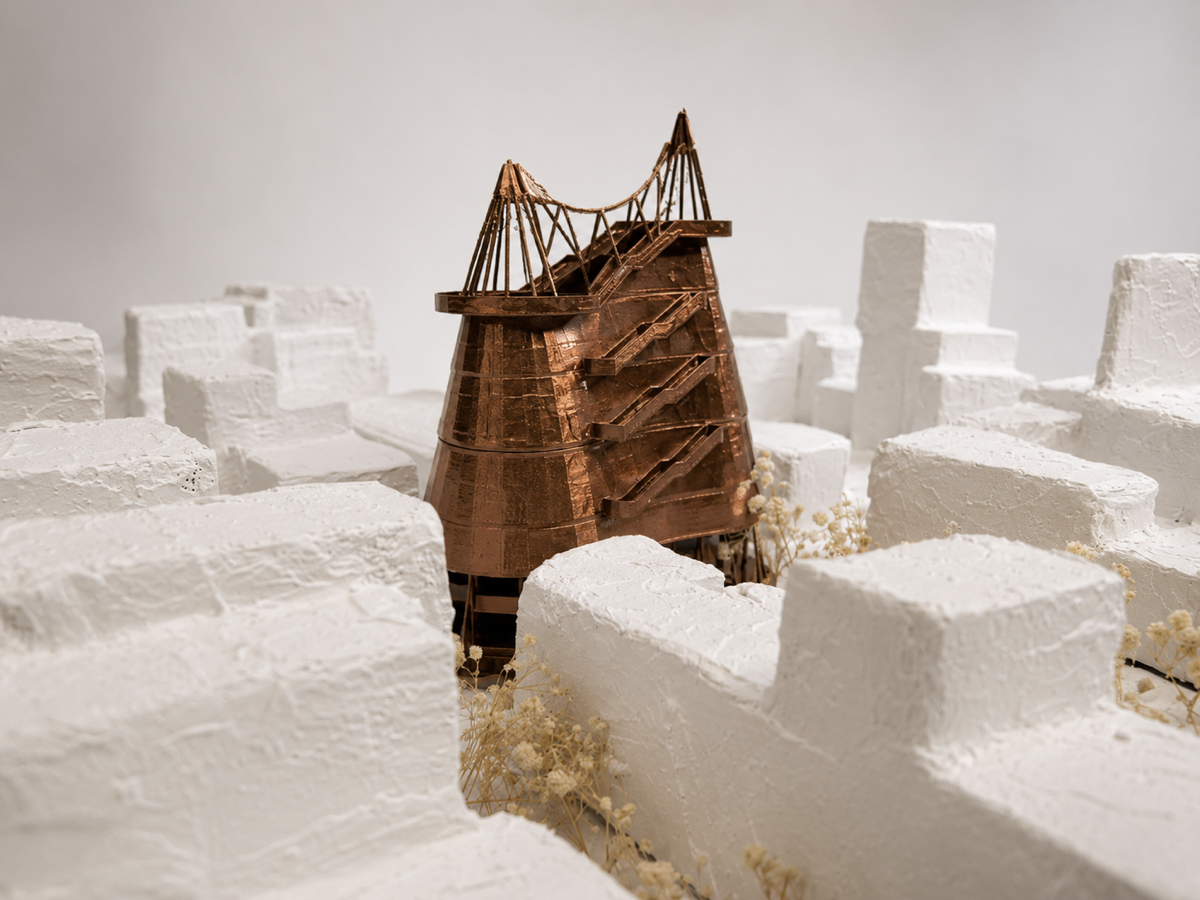
Casa Rang-He-Vue is a cultural landmark in Hostafrancs, Barcelona, celebrating underrepresented communities through architecture shaped by Catalan, Bolivian, Punjabi, and Chinese traditions. Through immersive spatial experiences, performance, colour, and craft, the project transforms cultural expression into a shared public journey of belonging, appreciation, and identity.
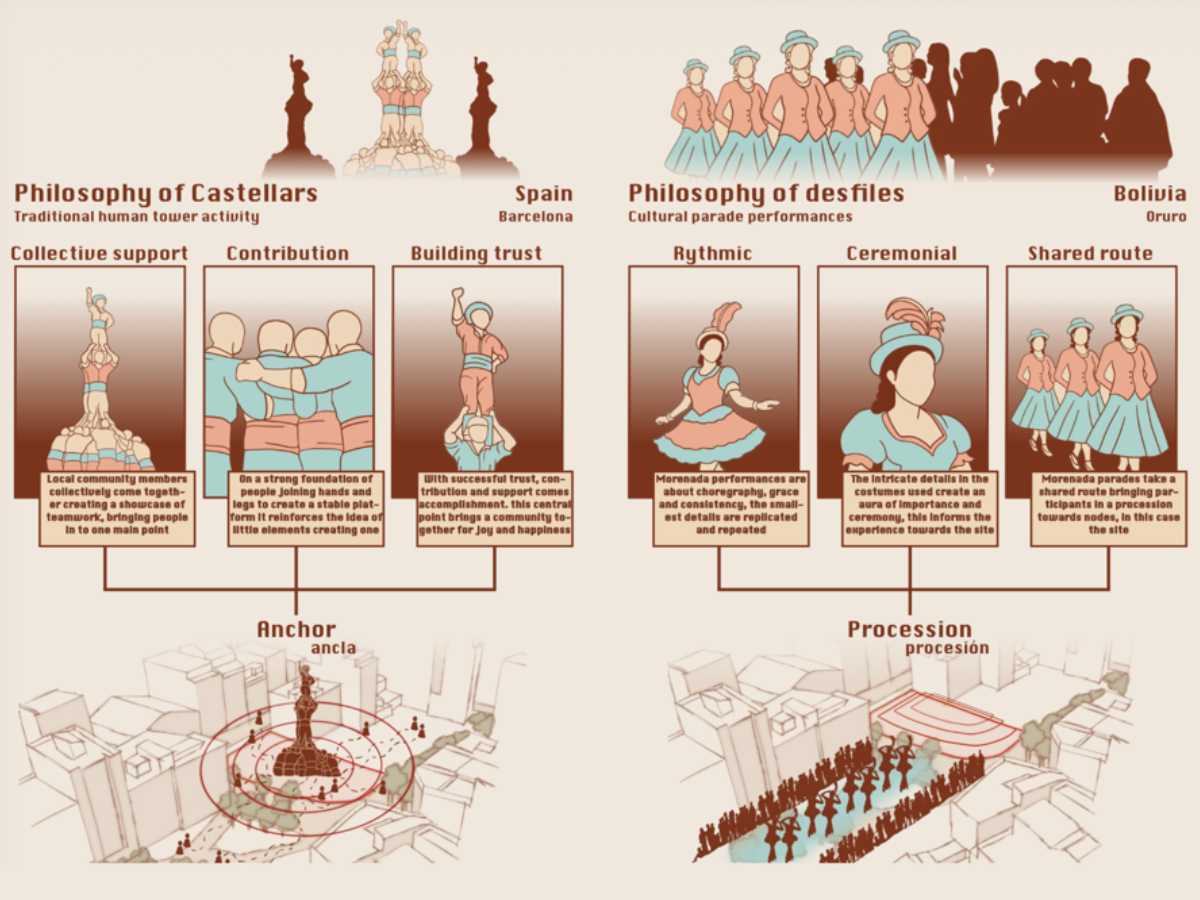
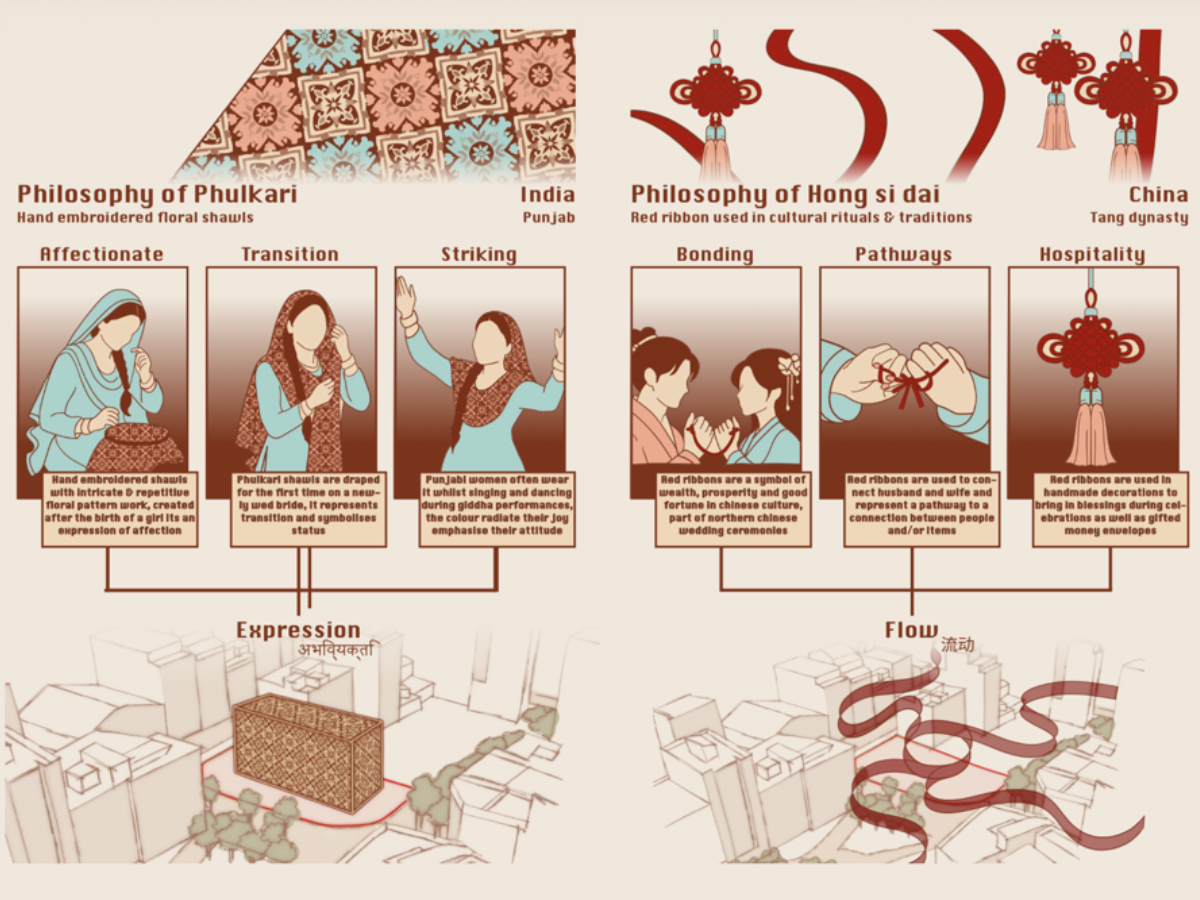
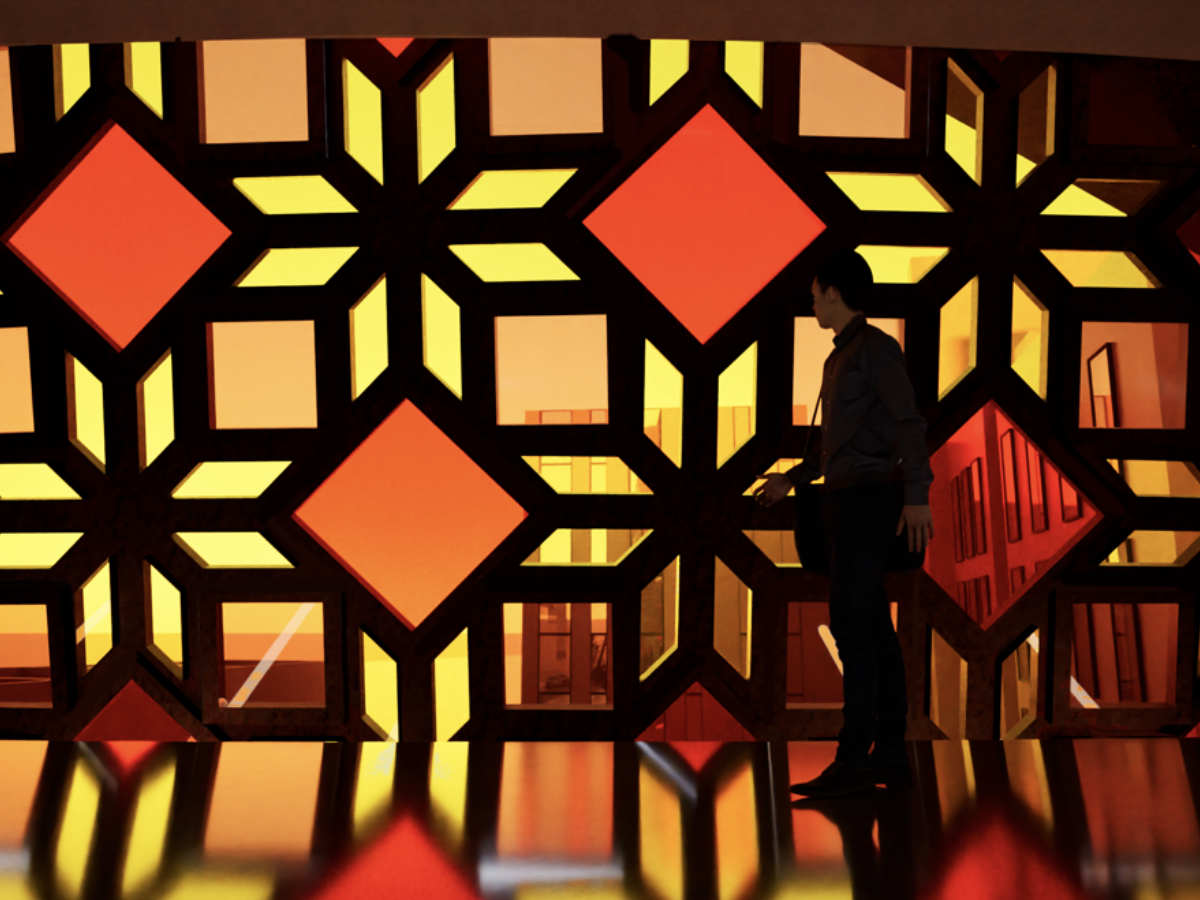
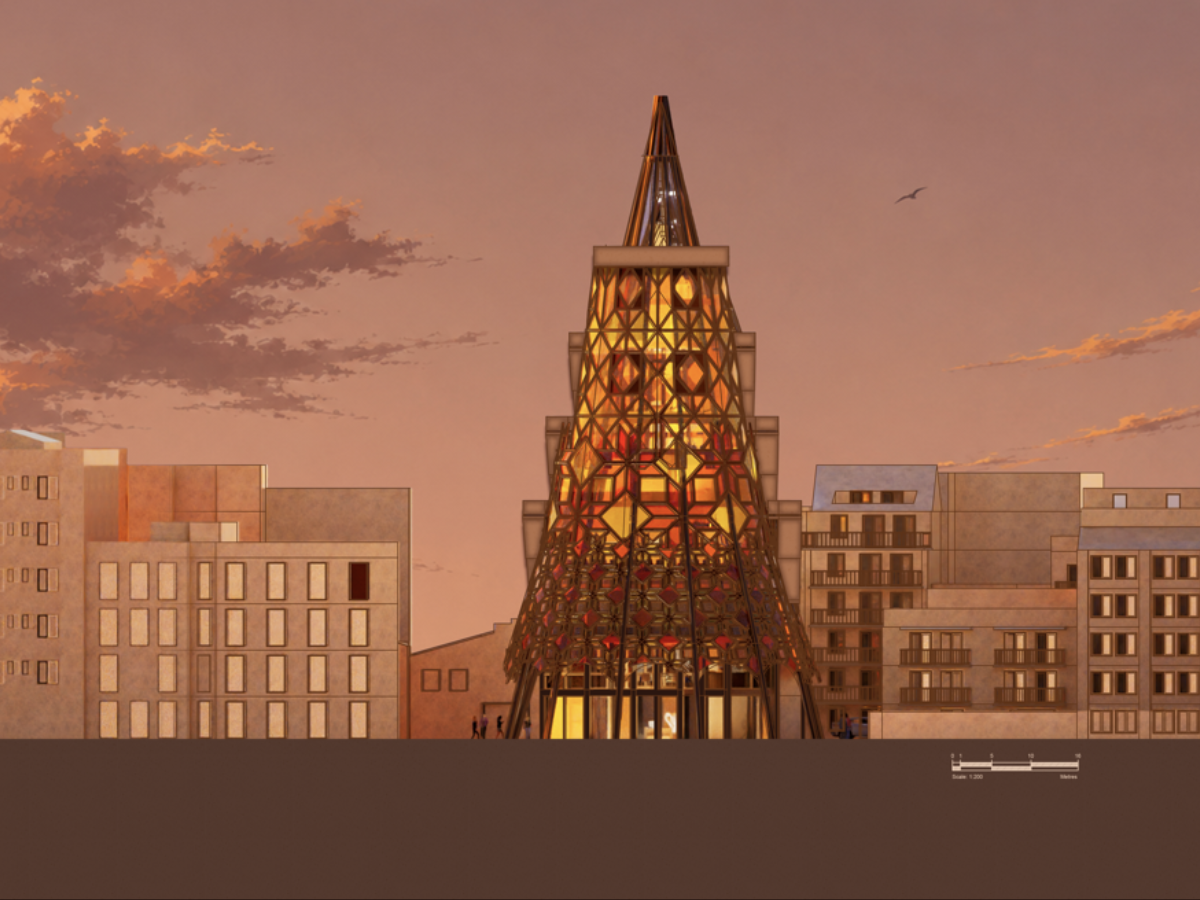
The architecture of Casa RangHeVue is deeply informed by the cultural artefacts and philosophies of four communities: Catalan, Bolivian, Punjabi, and Chinese. The structural ambition of the castellar, the celebratory procession of Bolivian parades, the intricate layering of Punjabi phulkari embroidery, and the continuity of the Chinese red ribbon each shape the building’s form, movement, façade, and spatial experience. Rather than applying culture as decoration, these traditions are embedded into the architecture itself, influencing how the building stands, flows, connects, and is experienced.
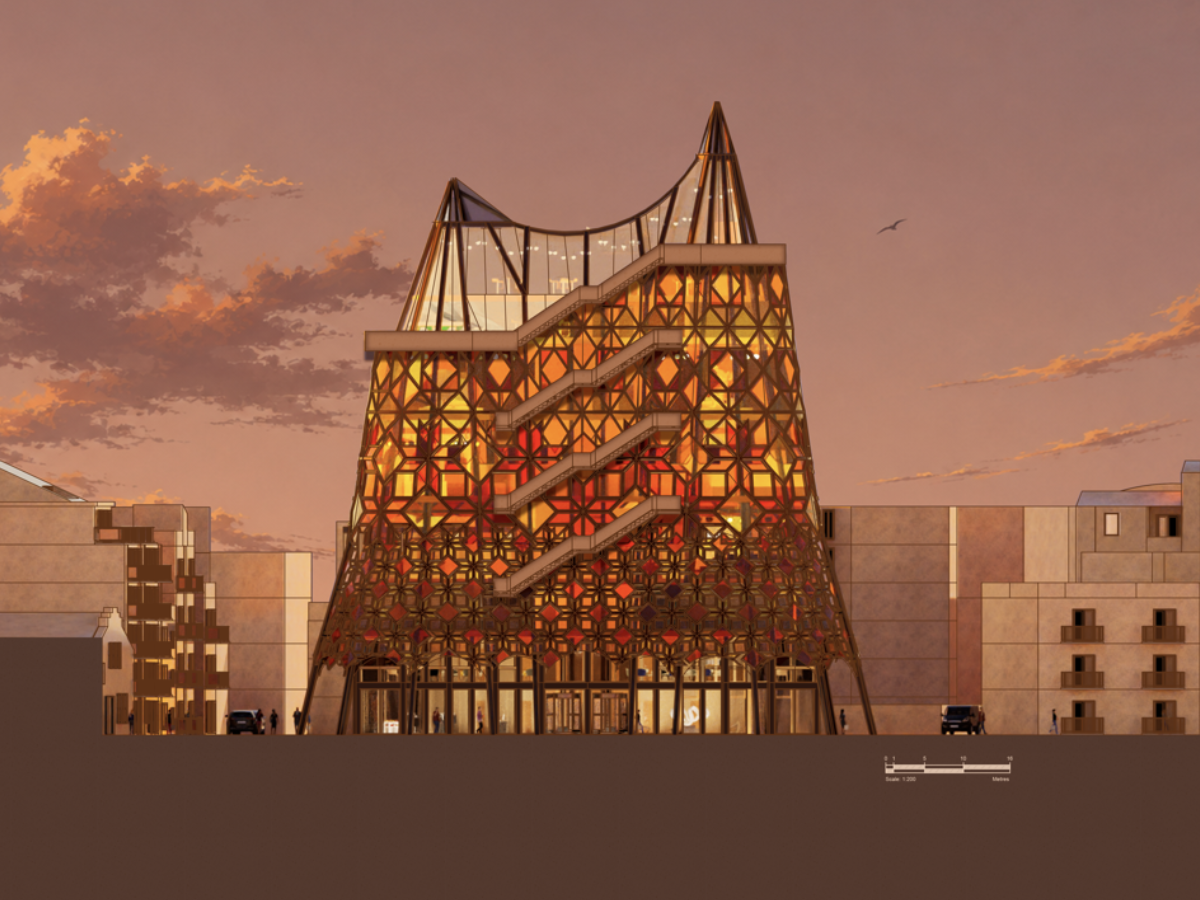
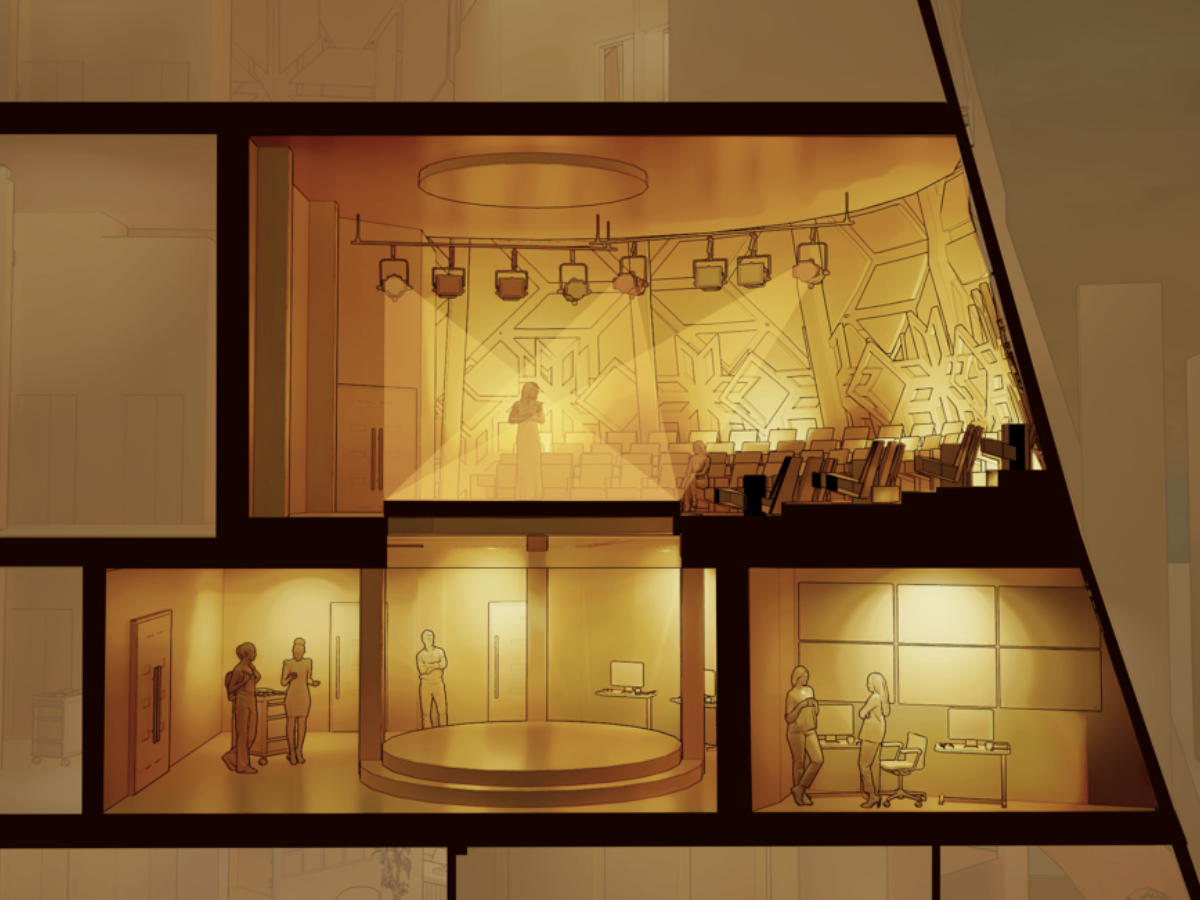
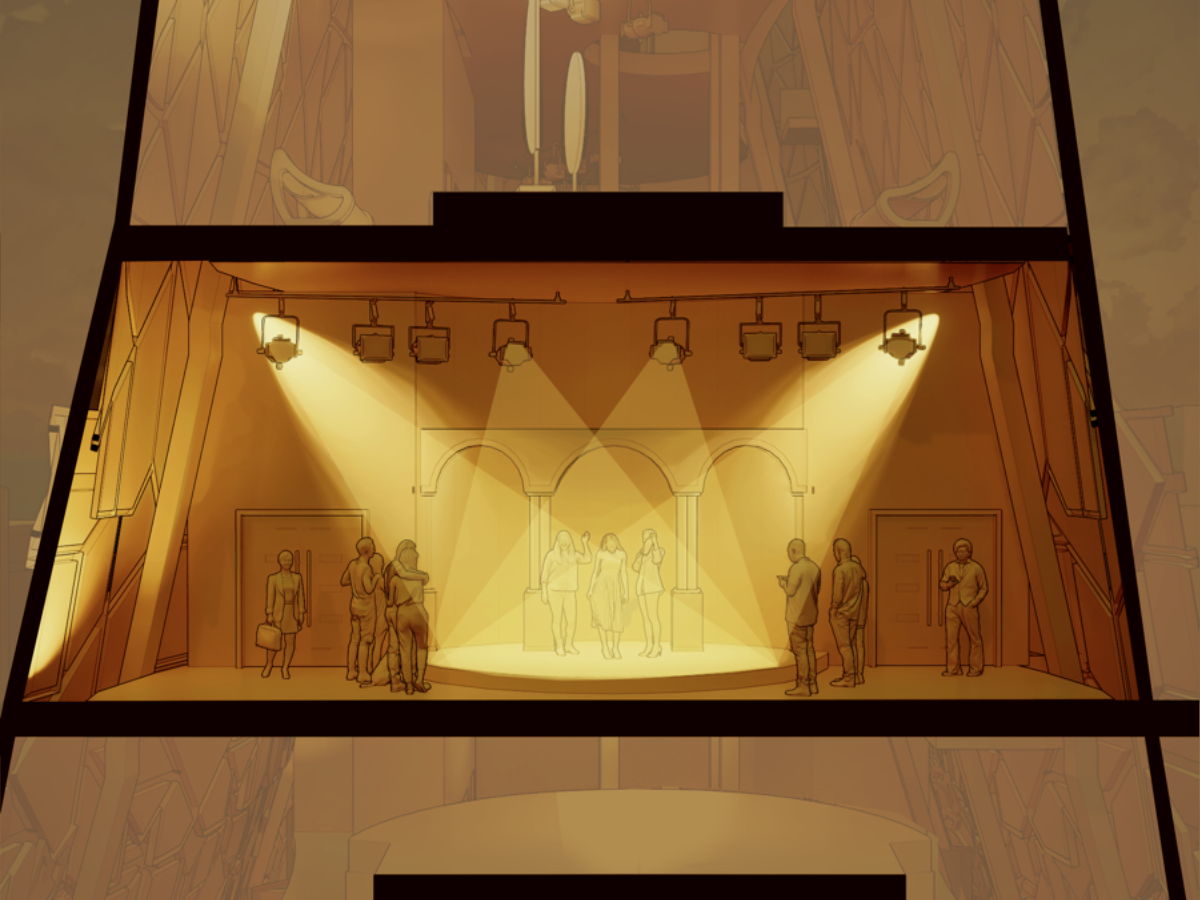
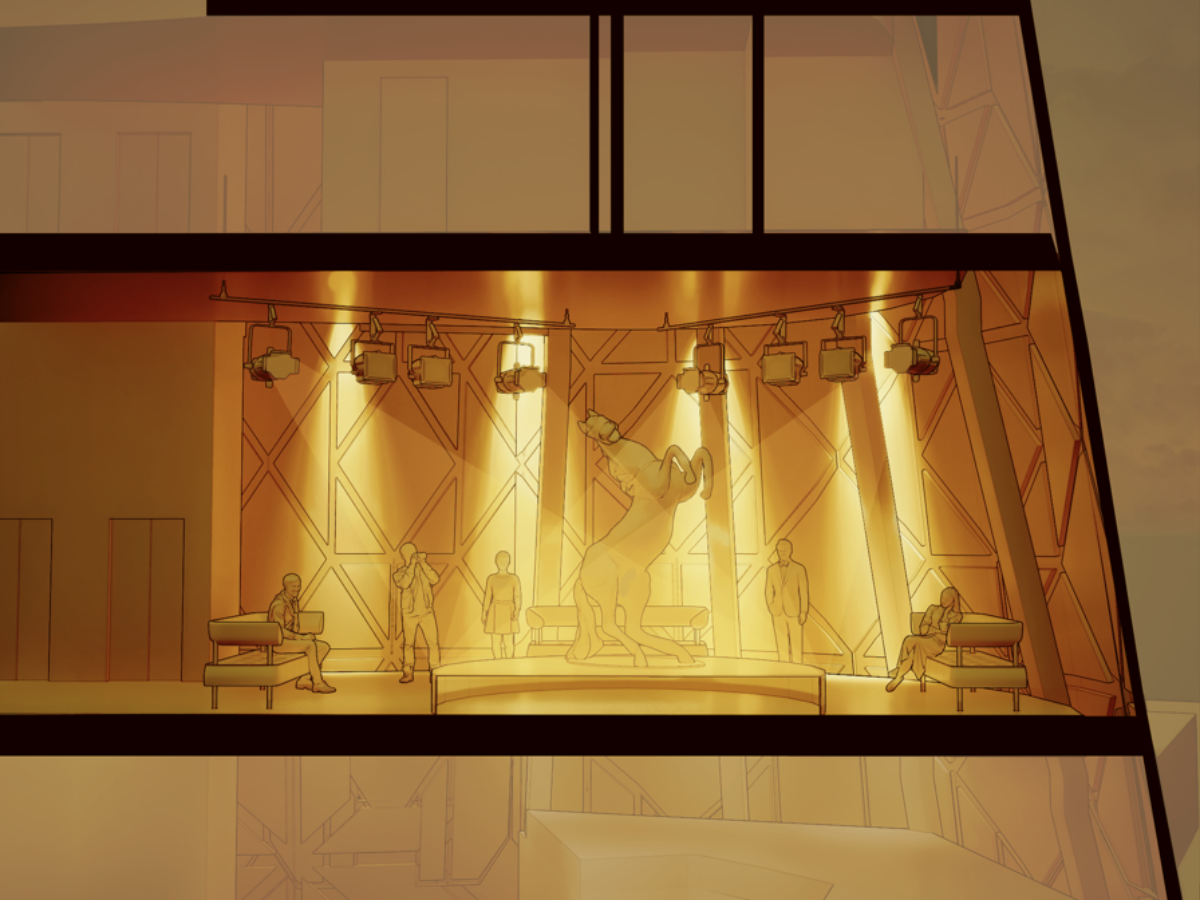
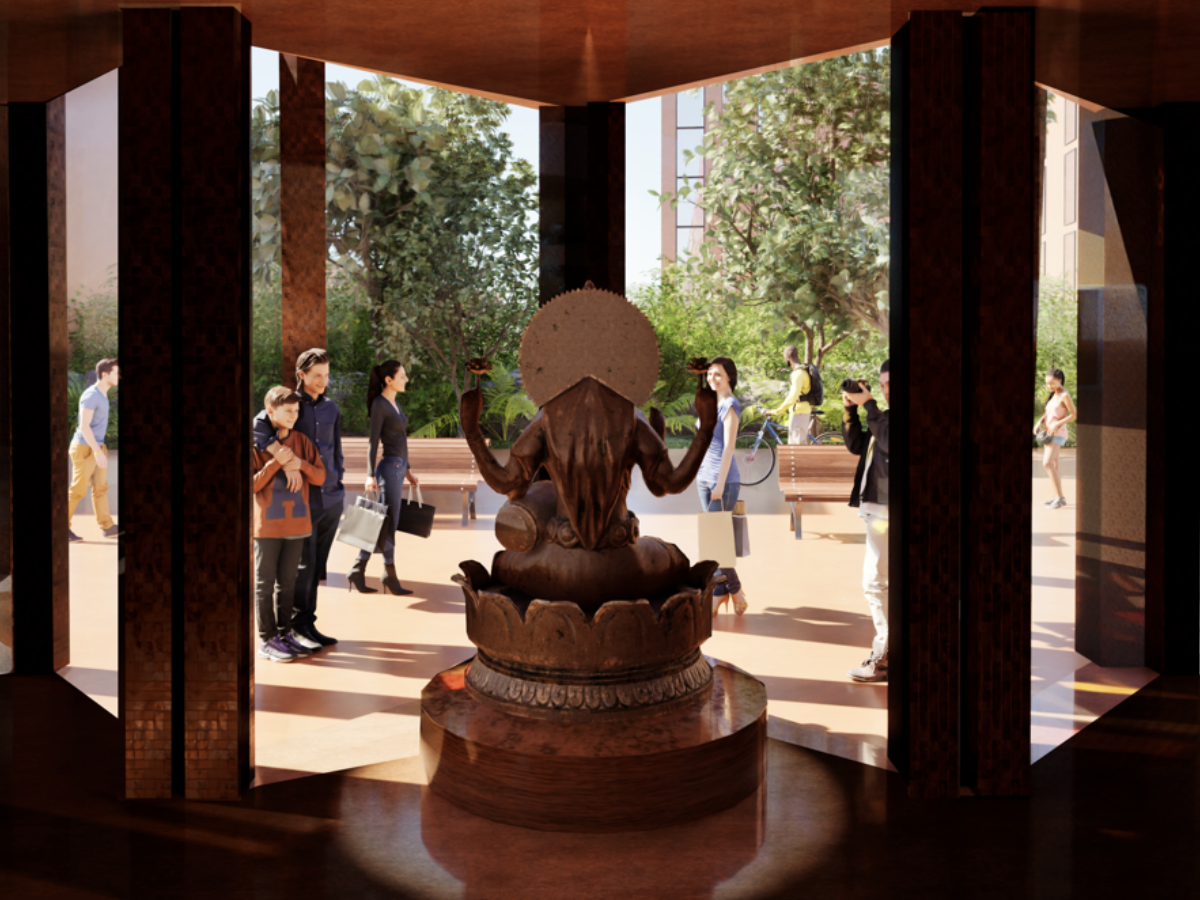
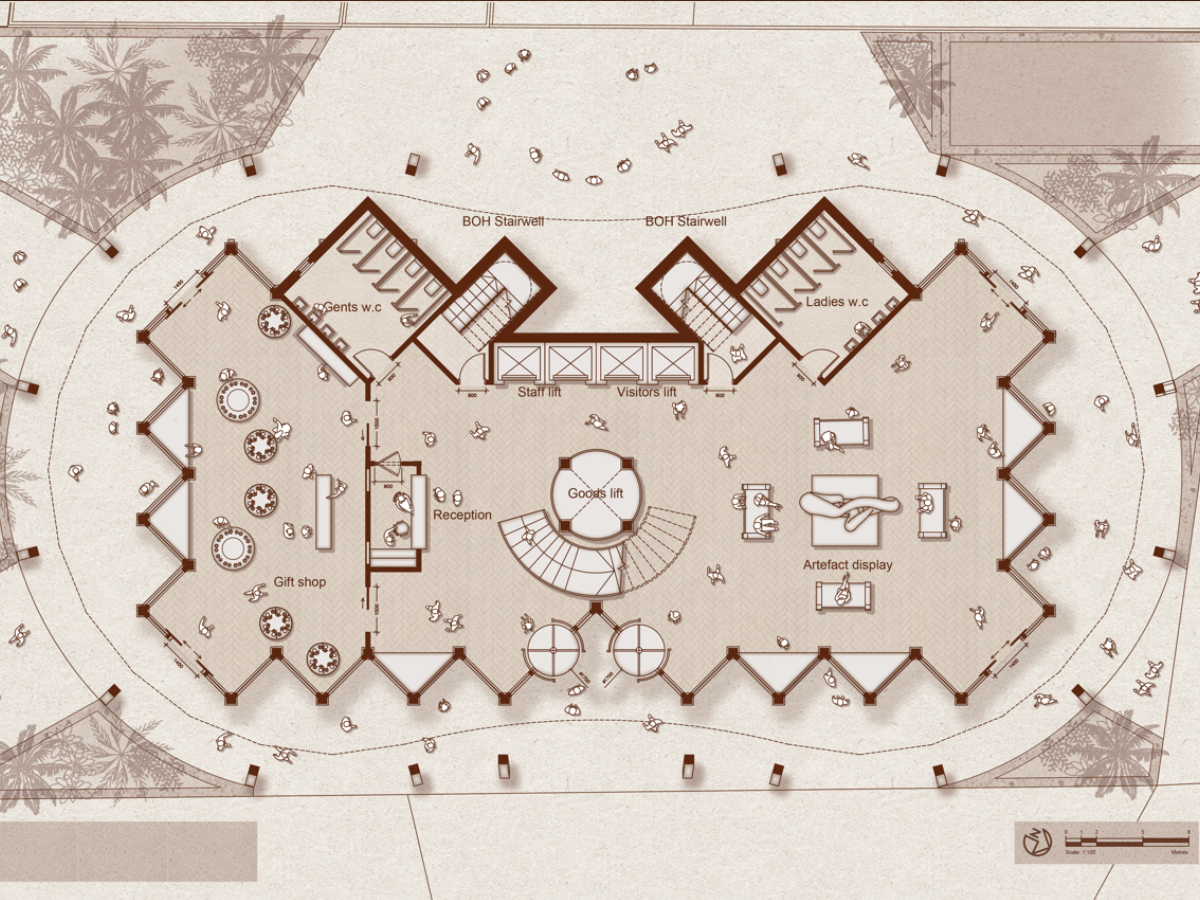
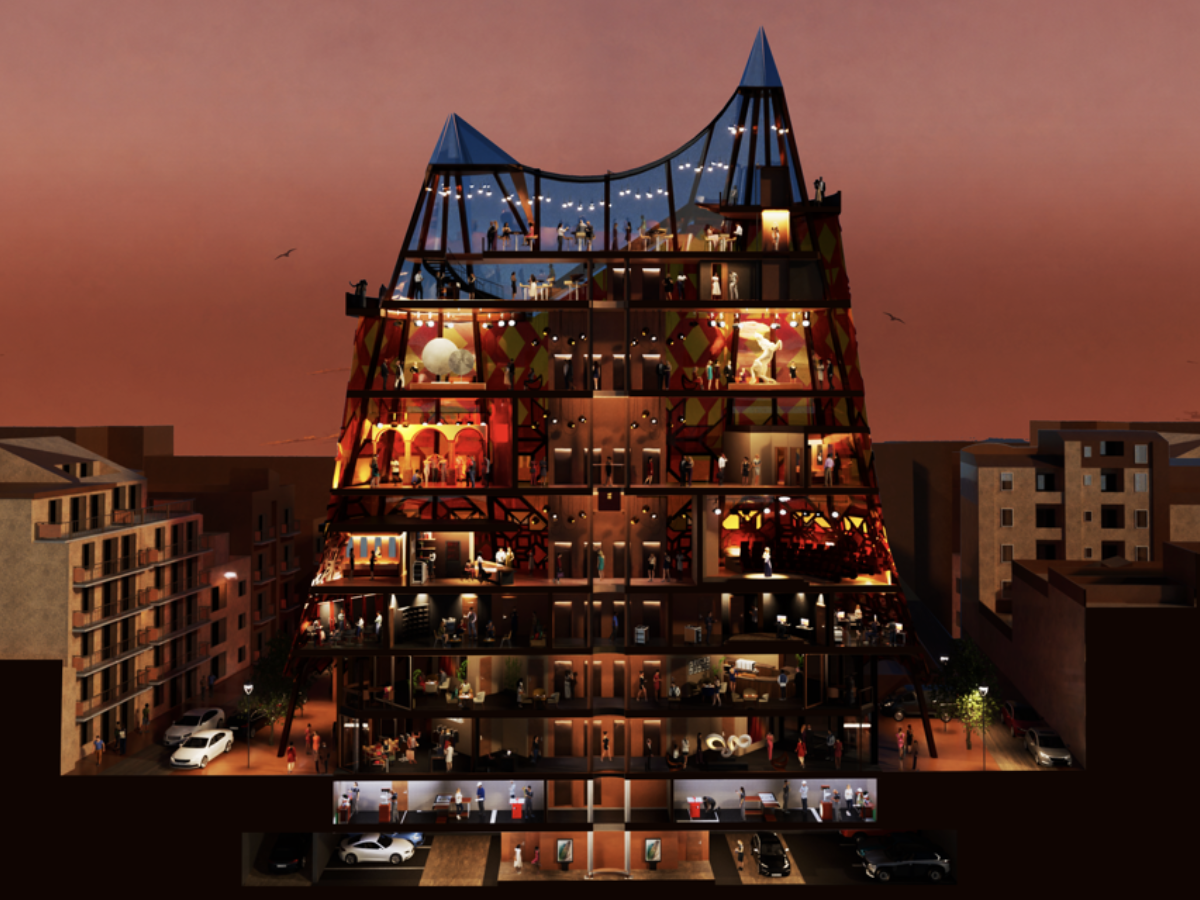
Casa RangHeVue allows visitors to experience culture through three progressive stages. First, the spectacle introduces each culture through vibrant performances of music, dance, and celebration, offering an expressive insight into its identity and traditions. Visitors then move into the rituals, immersive spaces where the audience becomes part of the cultural experience itself, actively engaging with moments of celebration, movement, and gathering. Finally, the exhibition presents live artefacts, crafts, and performances, allowing visitors to reflect on and appreciate each culture with a deeper understanding formed through participation and shared experience.