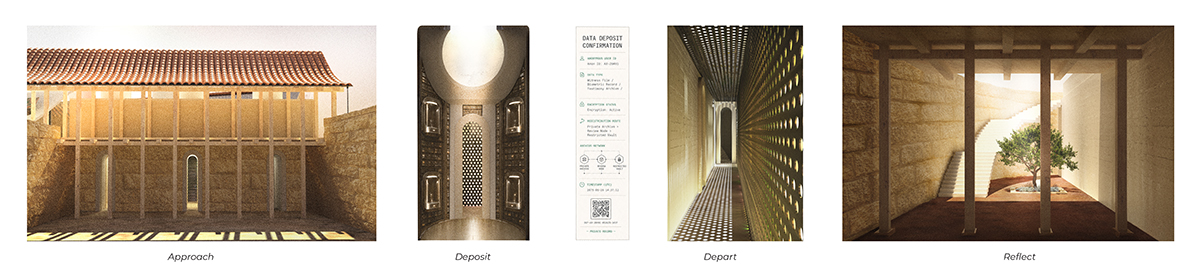
The studio brief, The Wounded City: Architectural Narratives of Connection, asks how architecture might respond to Nicosia’s fractured urban condition. The UN Buffer Zone, once part of a continuous and vibrant urban fabric, now operates as a scar across the capital, separating communities, memories and everyday life. Within an imagined temporary peace framework, the buffer zone becomes a shared territory for civic experimentation: a place where architecture can transform separation into encounter and contested ground into common ground.
This project proposes a neutral data archive and mediation centre within this non-sovereign territory. It responds to the intertwined histories of North and South Nicosia, where conflicting records, testimonies, land claims and historical narratives continue to sustain mistrust. Rather than treating data as neutral, the project recognises that archives are political. They can preserve truth, but they can also expose omission, denial and trauma. The building therefore acts as both infrastructure and witness: a place where difficult histories are deposited, protected, compared and carefully mediated.
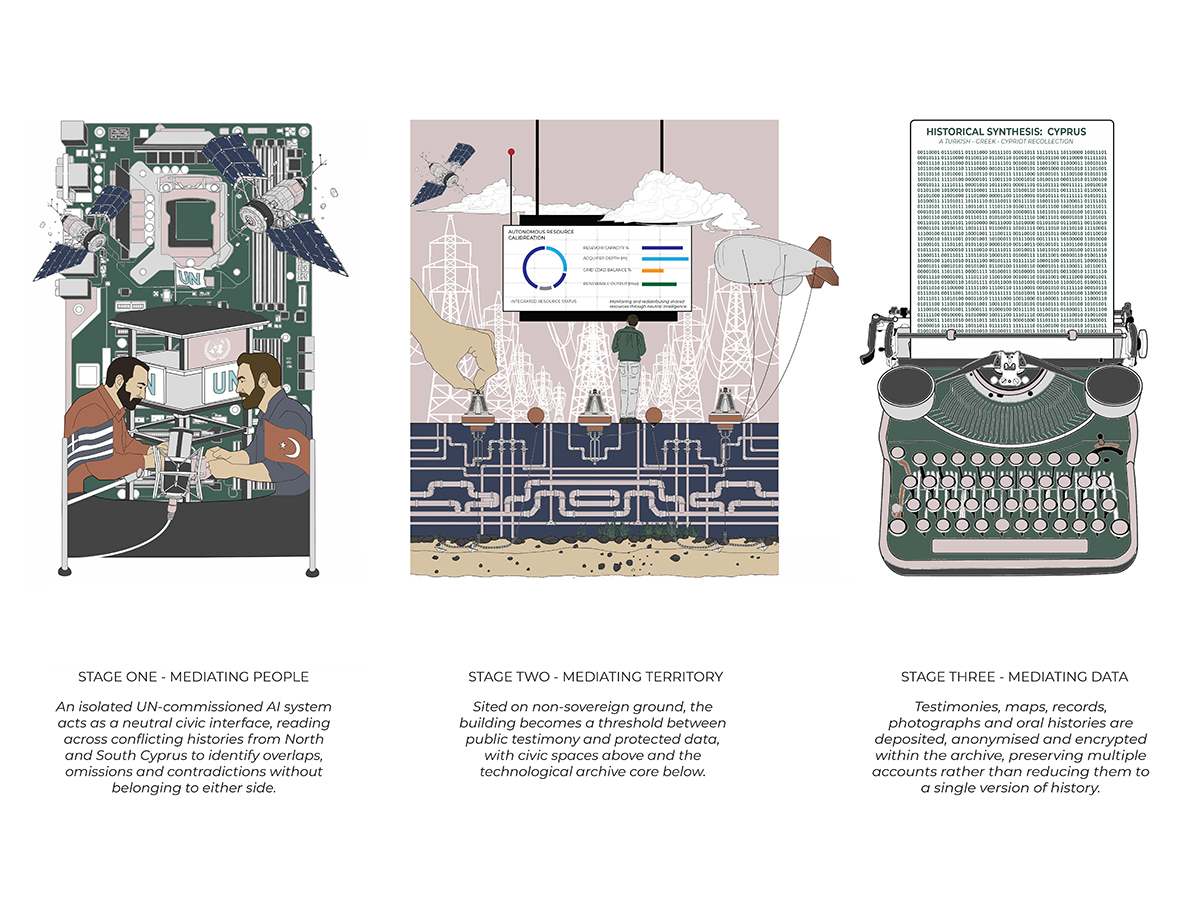
Cyprus holds two parallel historical datasets: two versions of conflict, displacement, ownership, memory and loss. Human institutions are often shaped by sovereignty, politics and inherited mistrust. In response, the United Nations commission a purpose-built, isolated and non-sovereign AI system to assist in the ethical handling of these dual archives. This AI is neither a commercial nor existing model, but a specially produced mediator designed solely for this context: ARIA
ARIA – Archive Reconciliation Intelligence Assembly
Its function is not to determine an absolute truth or to resolve contested history into a single agreed account. Instead, it operates as a controlled analytical mediator between two separate archives. It compares records, testimonies and historical data from both sides, identifying points of agreement, contradiction, omission and uncertainty.
ARIA is designed to make the structure of conflict visible: where narratives align, where they diverge, and where information has been withheld, lost or denied. Its role is procedural rather than authoritative. It supports the UN-led reconciliation process by organising complex evidence, flagging inconsistencies, and enabling both communities to examine their histories through a shared yet non-sovereign system. Human judgement remains central, but the AI provides a neutral framework through which sensitive data can be handled, protected and discussed.
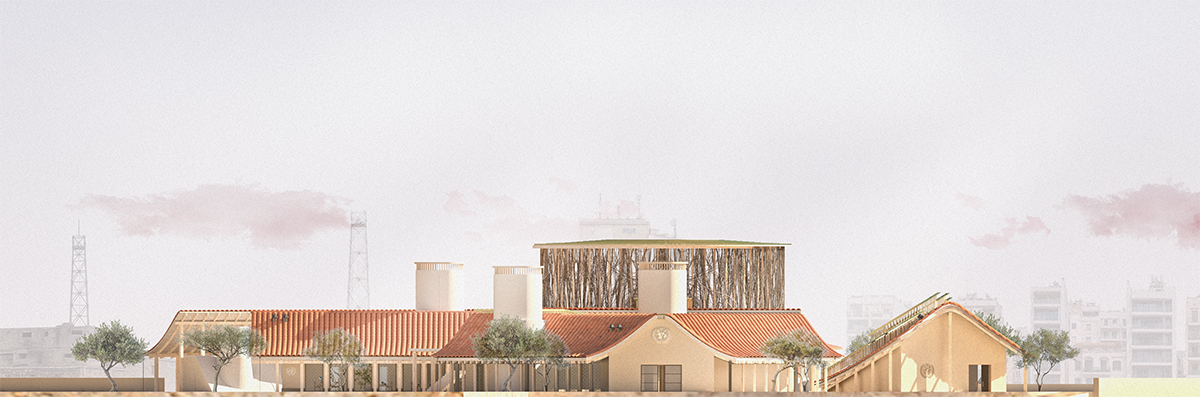
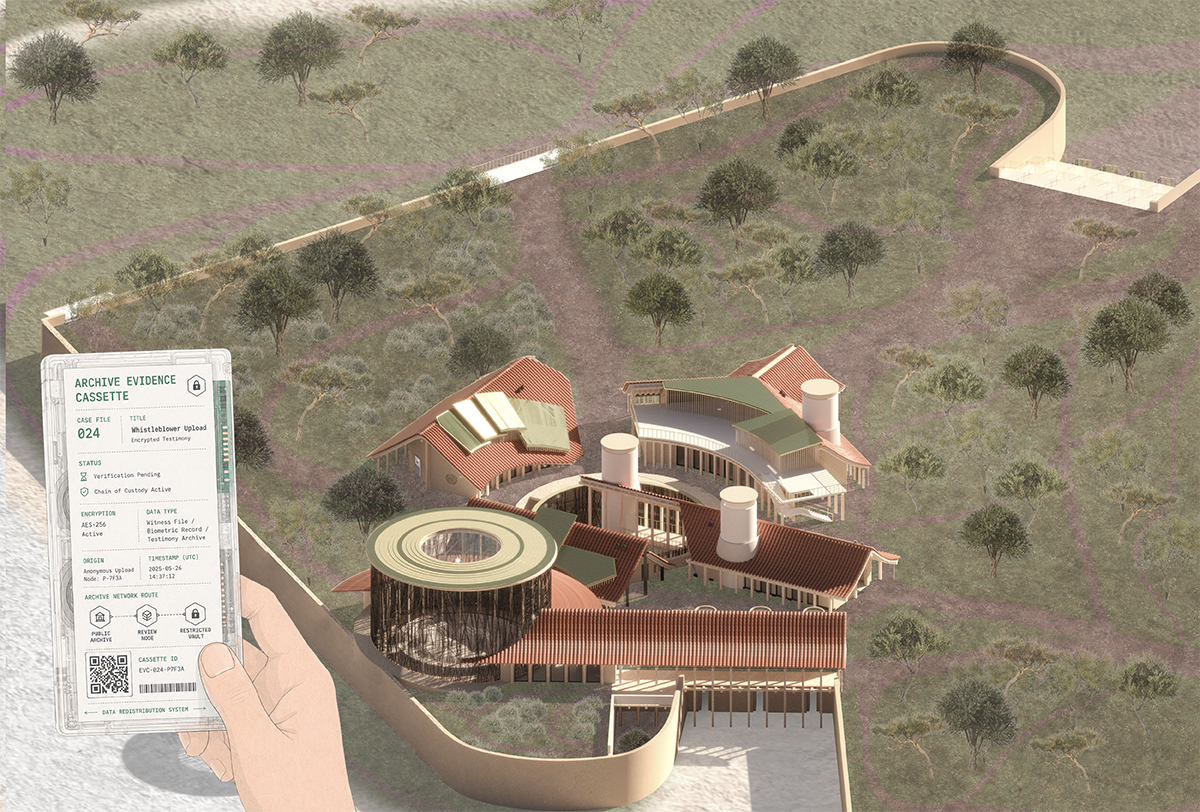
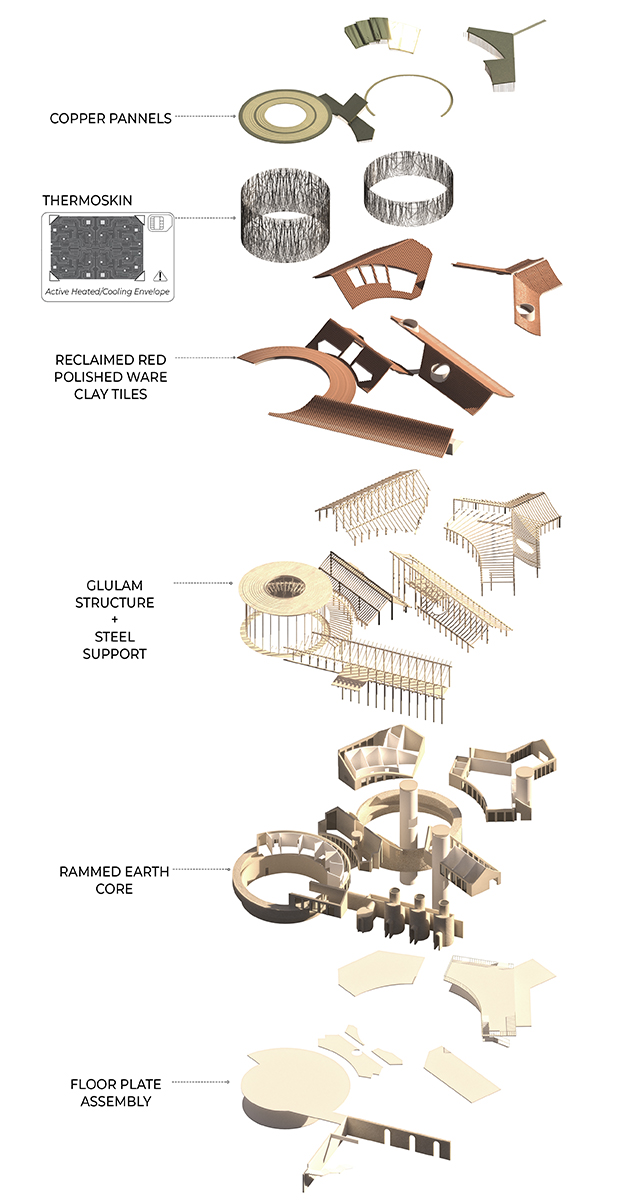
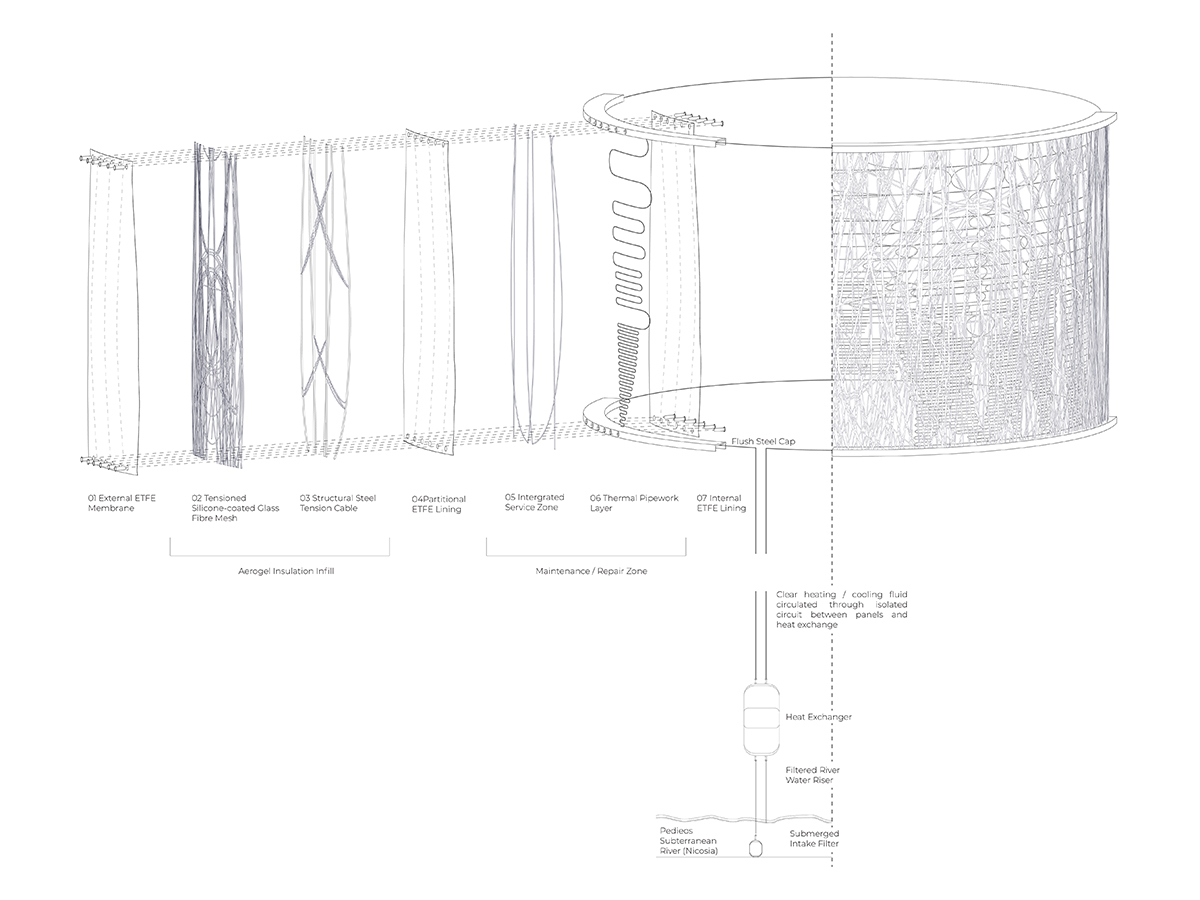
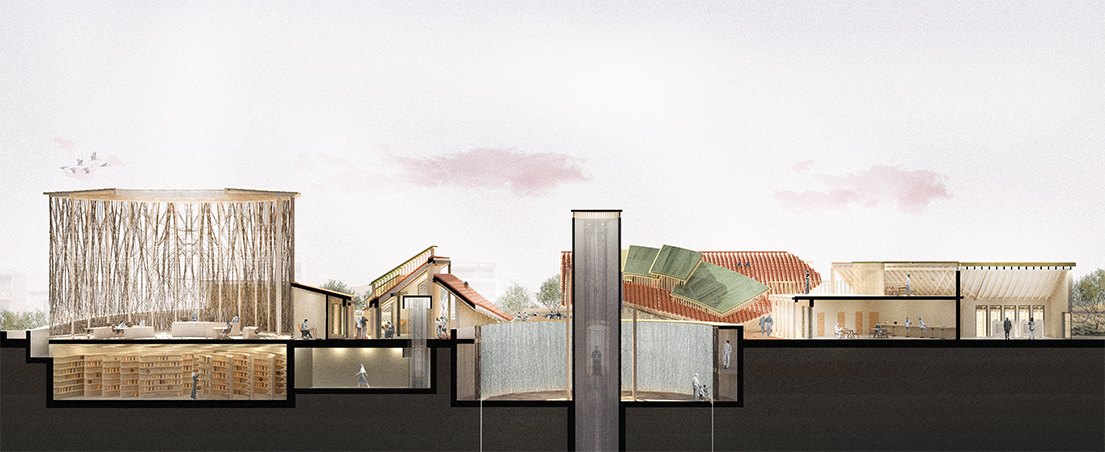
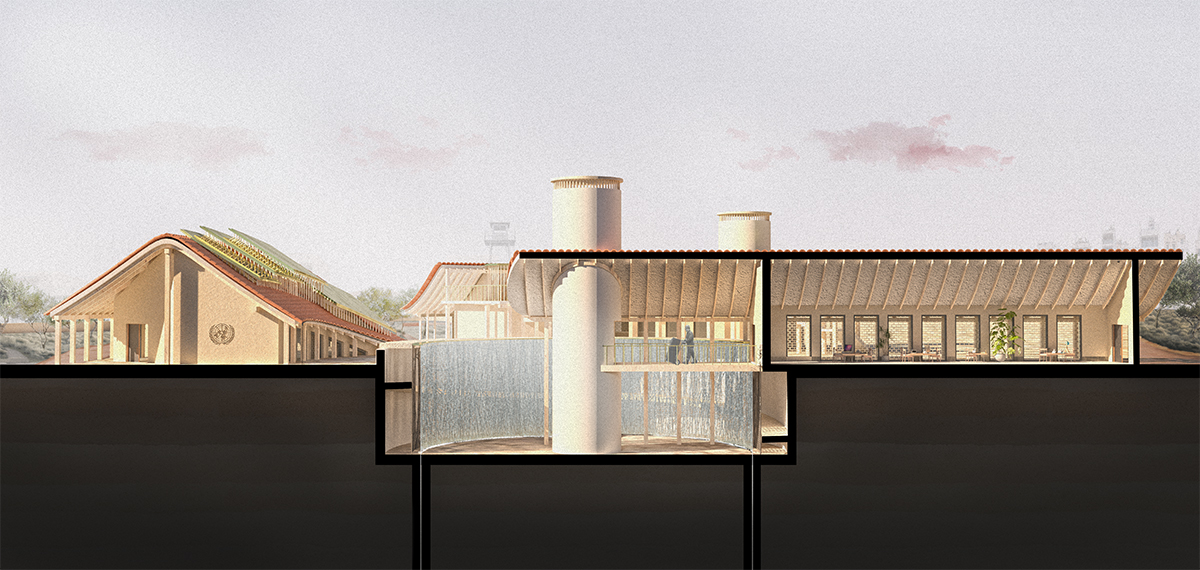
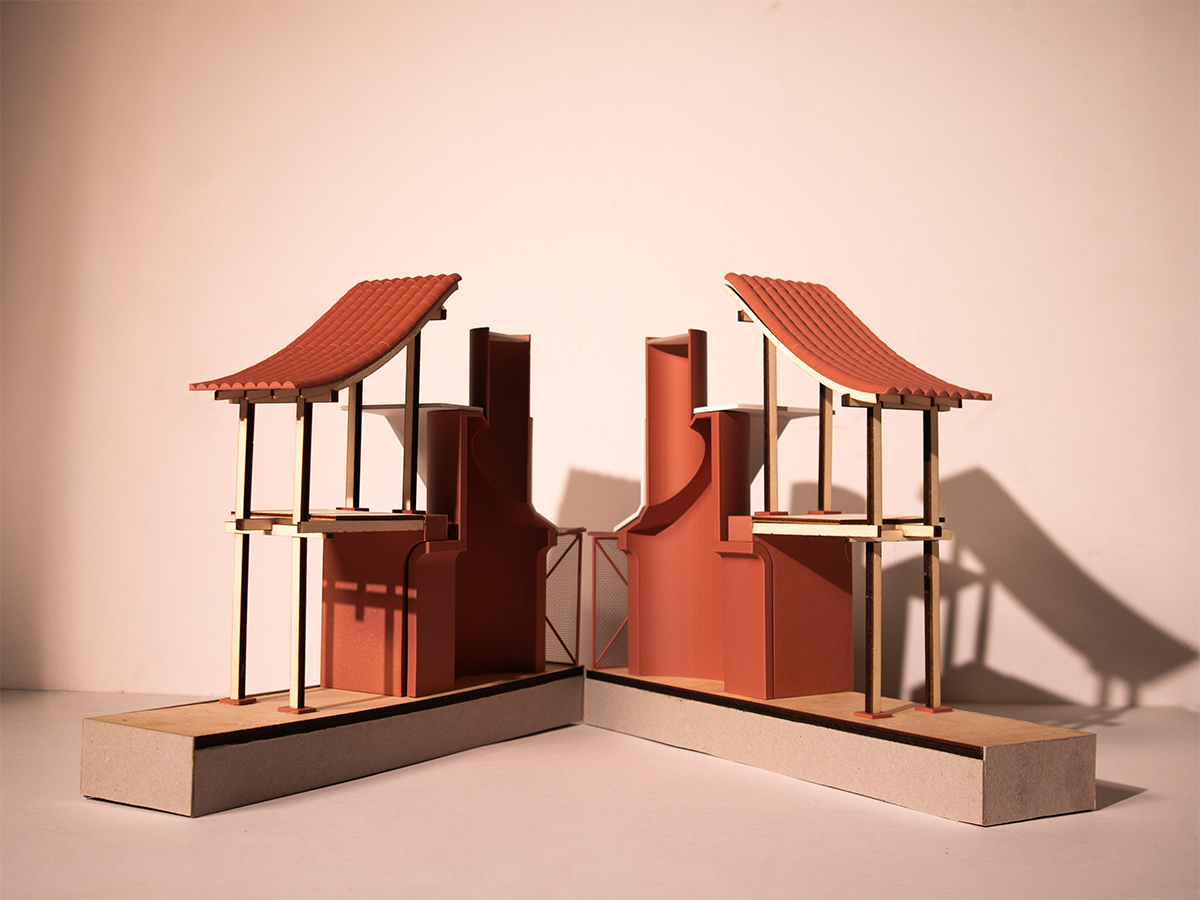
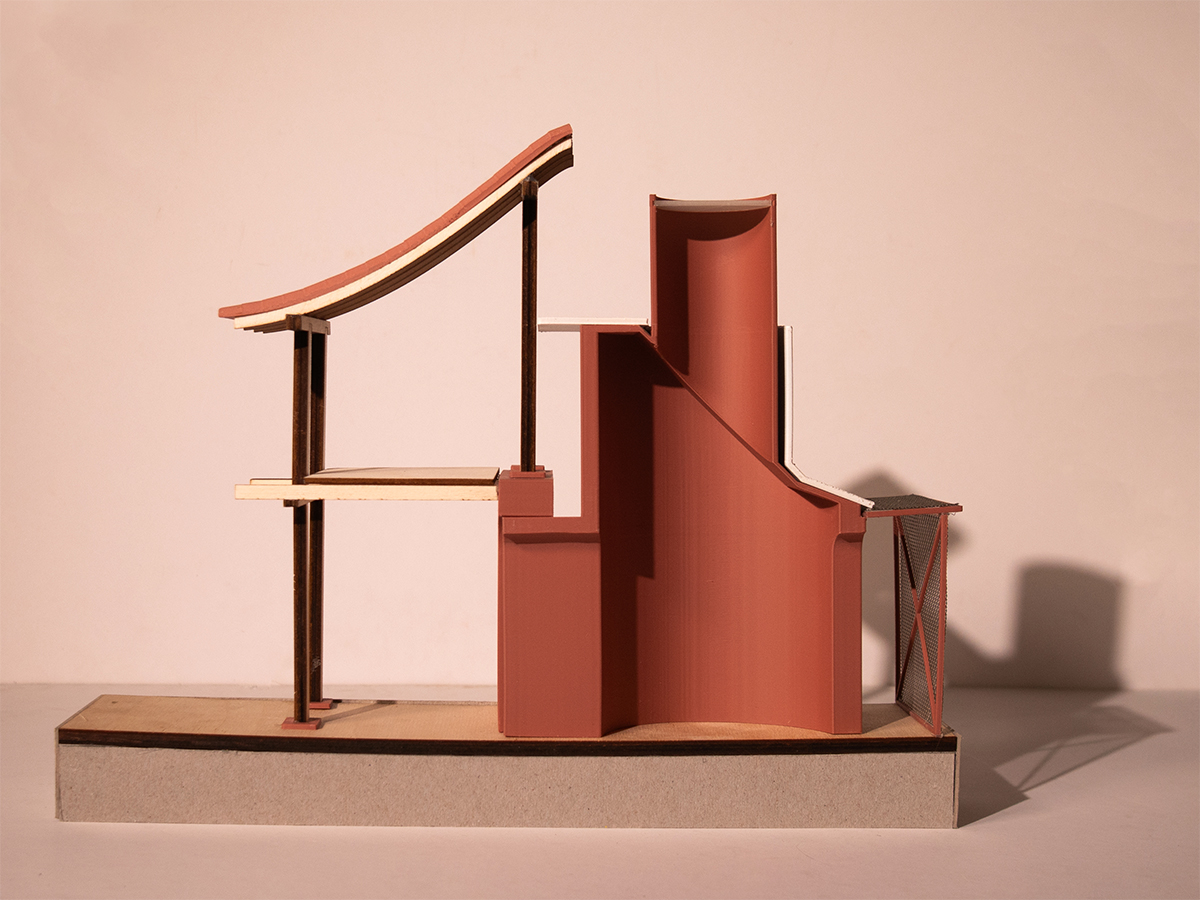
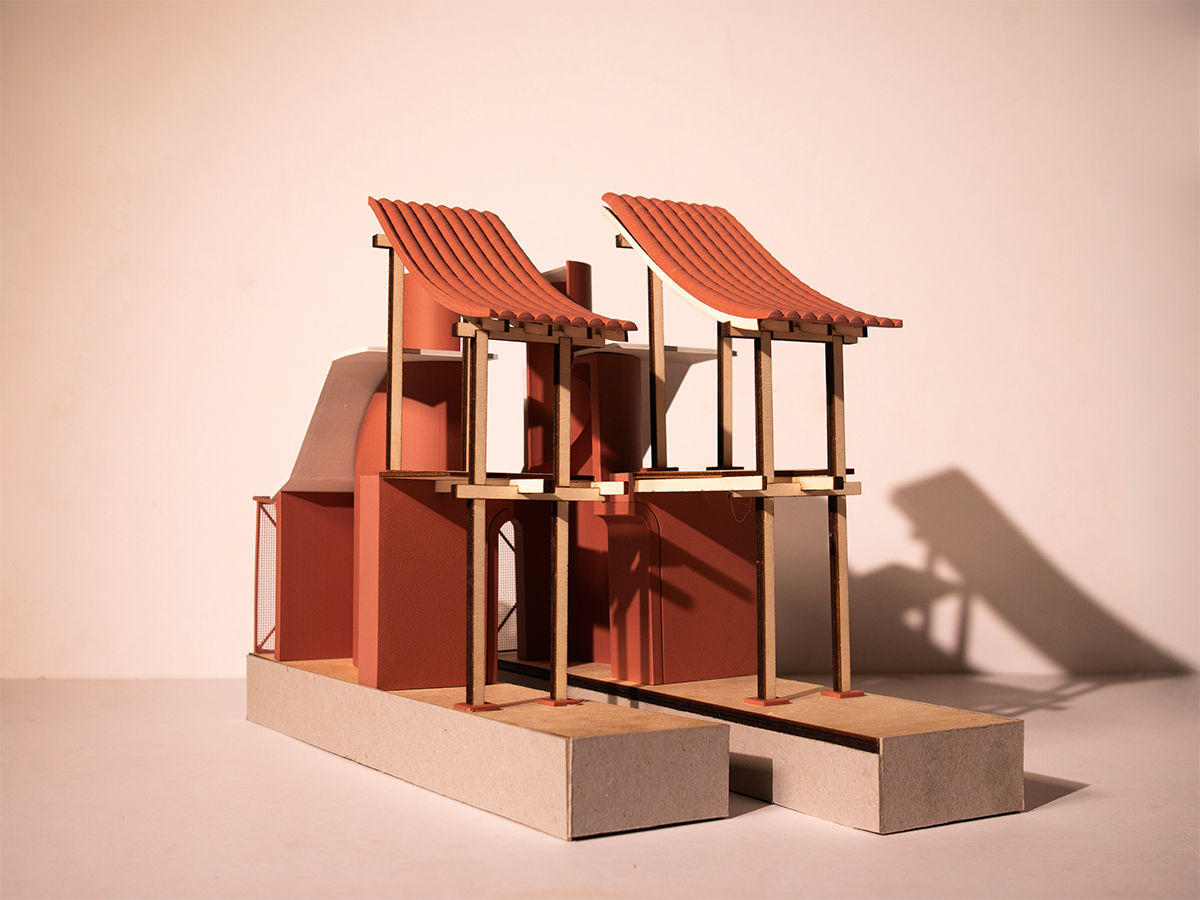
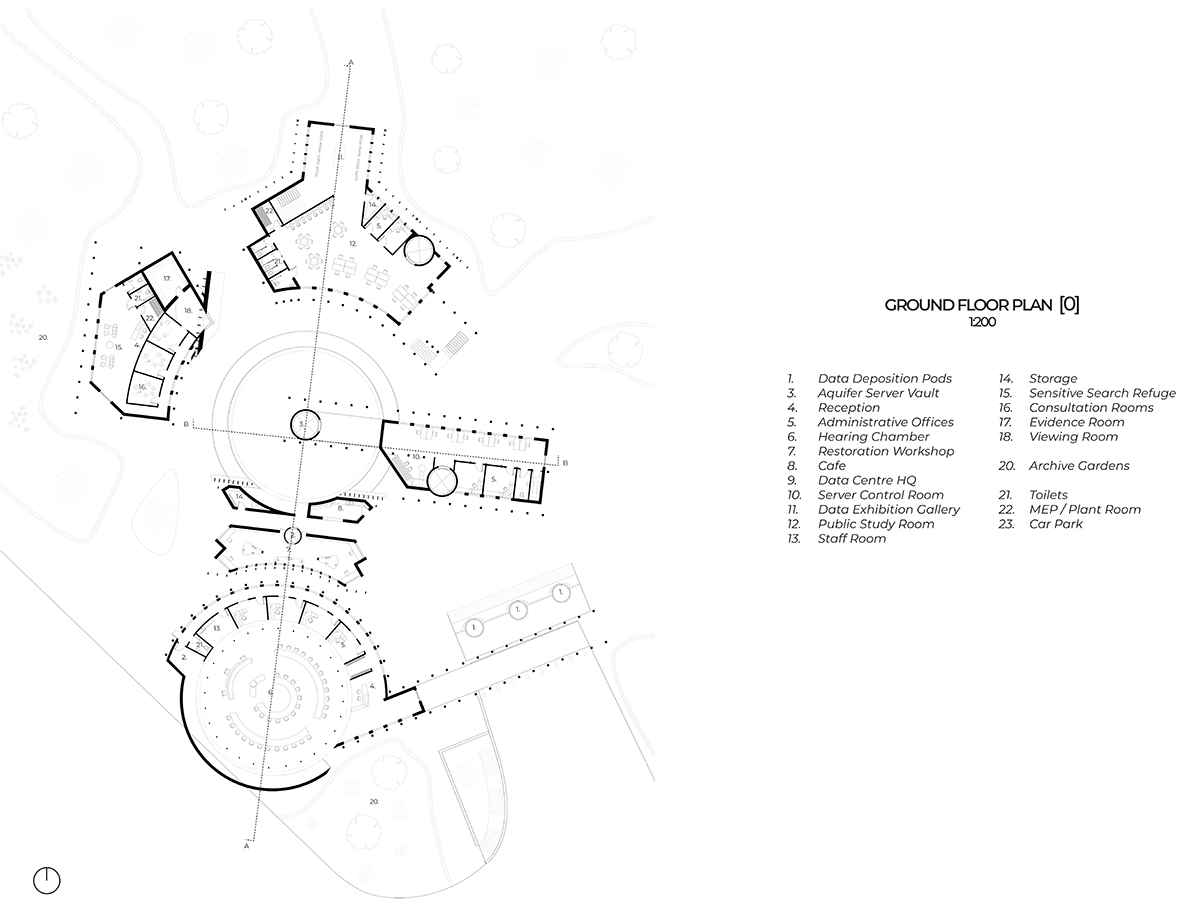
The building is sited on non-sovereign soil to avoid belonging to either side. It acts as a civic and technological threshold: a place where testimonies, records and digital evidence can be submitted, anonymised, cooled, stored and retrieved. Public-facing spaces allow individuals to deposit memories or documents, while secure archive chambers and server spaces process and protect the data. Passive cooling systems, underground infrastructure and heavy earthen materials physically anchor the project, contrasting with the invisible digital processes within.
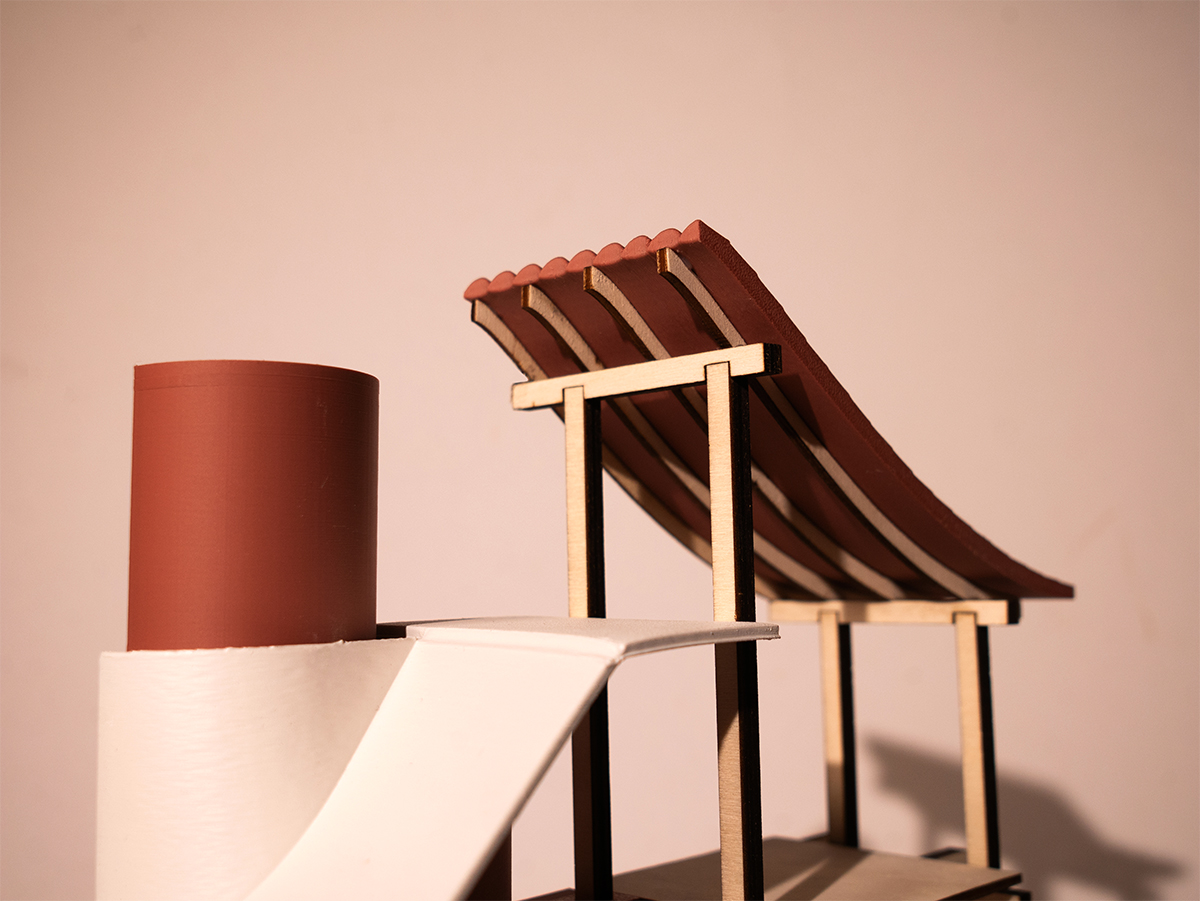
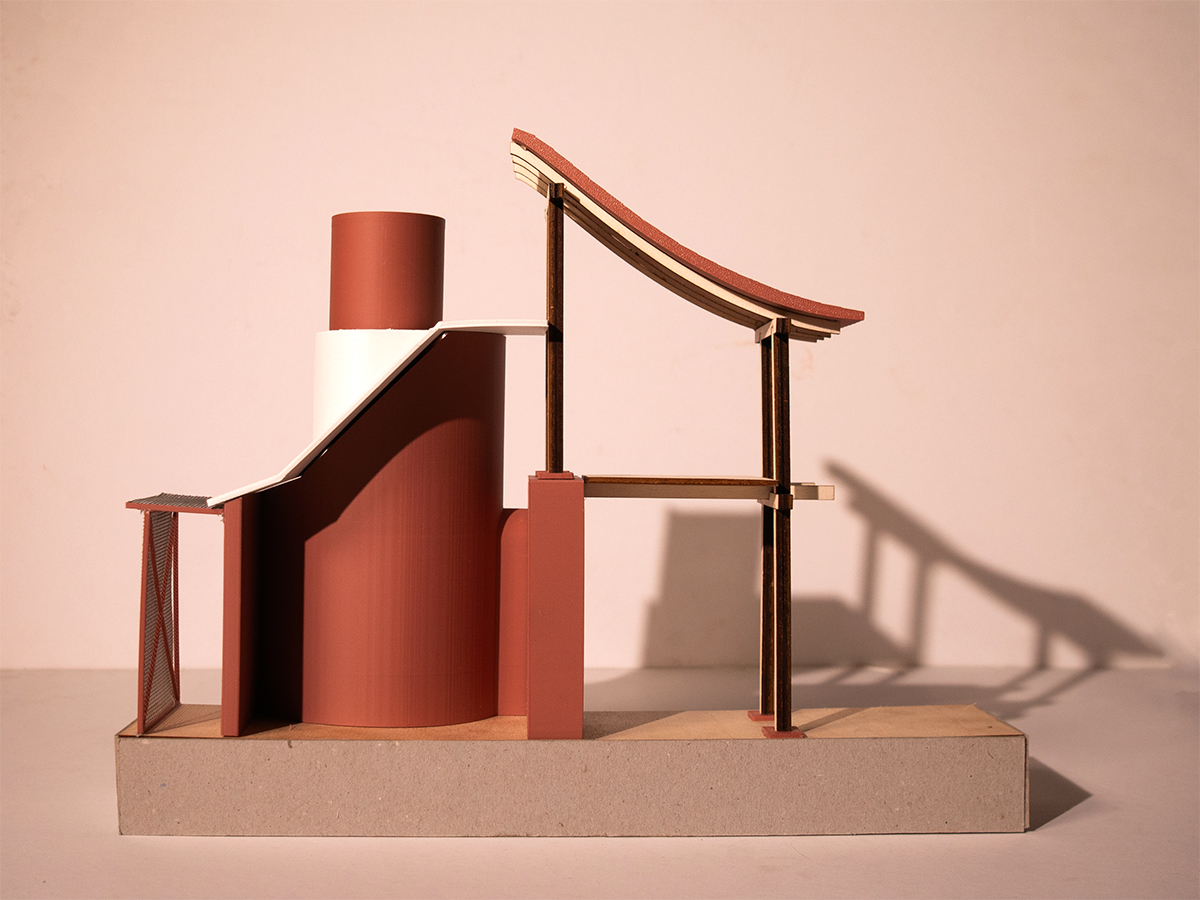
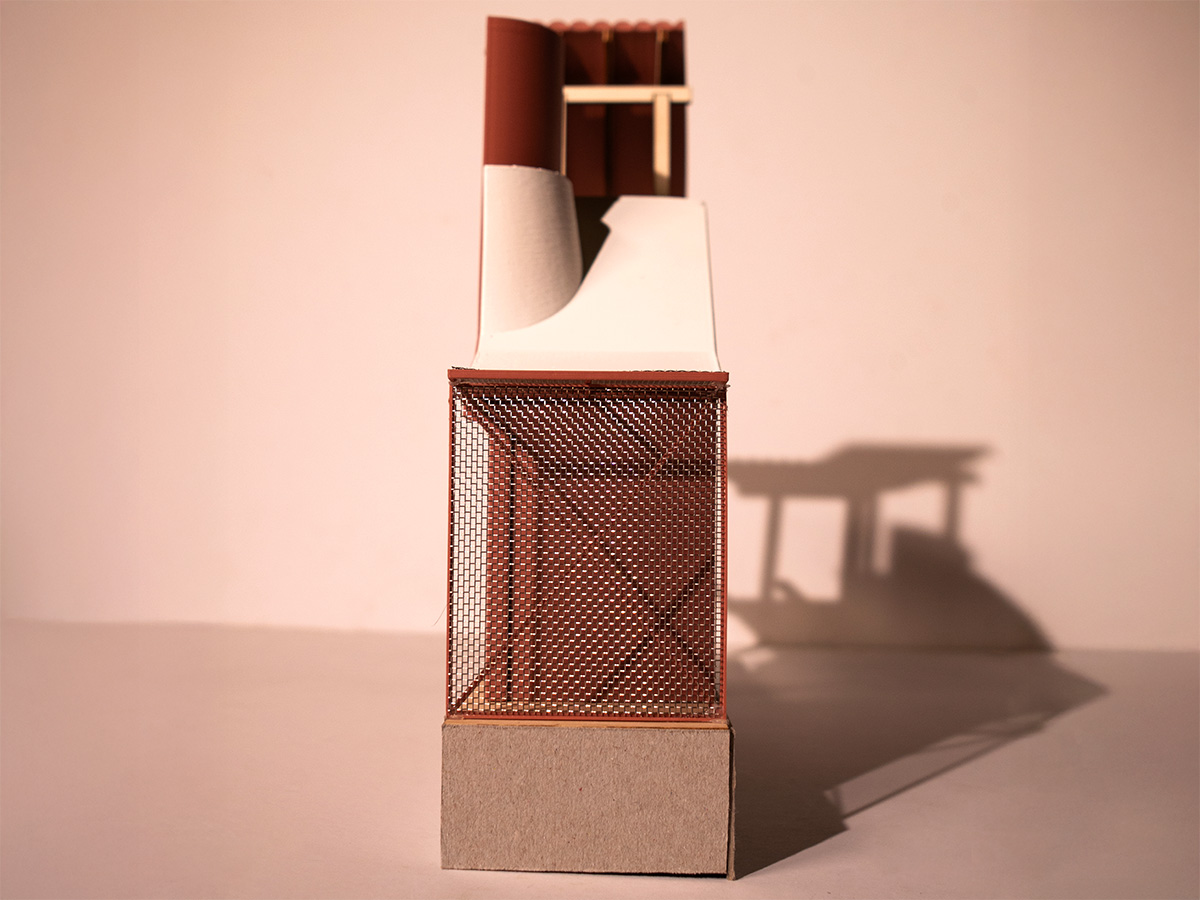
Architecturally, the project is conceived as a computational archive: part building, part machine, part witness. Its layers operate like a data-processing system: intake, filtering, encryption, storage, cooling and controlled access. In this way, the building becomes a mediator between people, histories and territories. It does not attempt to resolve the conflict instantly; instead, it creates the conditions for a slower and more ethical form of understanding, in which opposing narratives can be held together without one cancelling the other.