Dominic Wood


As a firm believer in the power of emerging technology to drive design, I actively research and integrate computational and AI-aided design into my work to drive final outputs and design exploration.
As a firm believer in the power of emerging technology to drive design, I actively research and integrate computational and AI-aided design into my work to drive final outputs and design exploration.
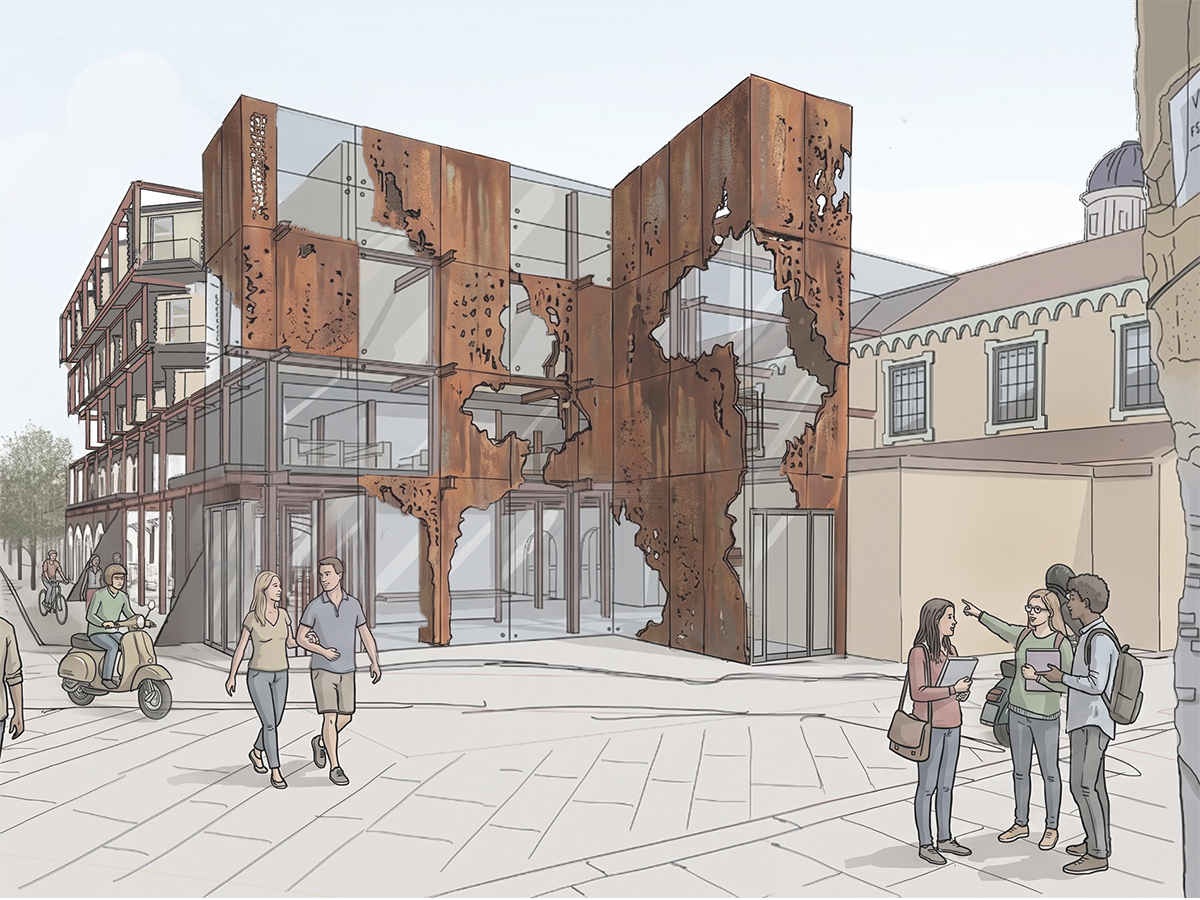
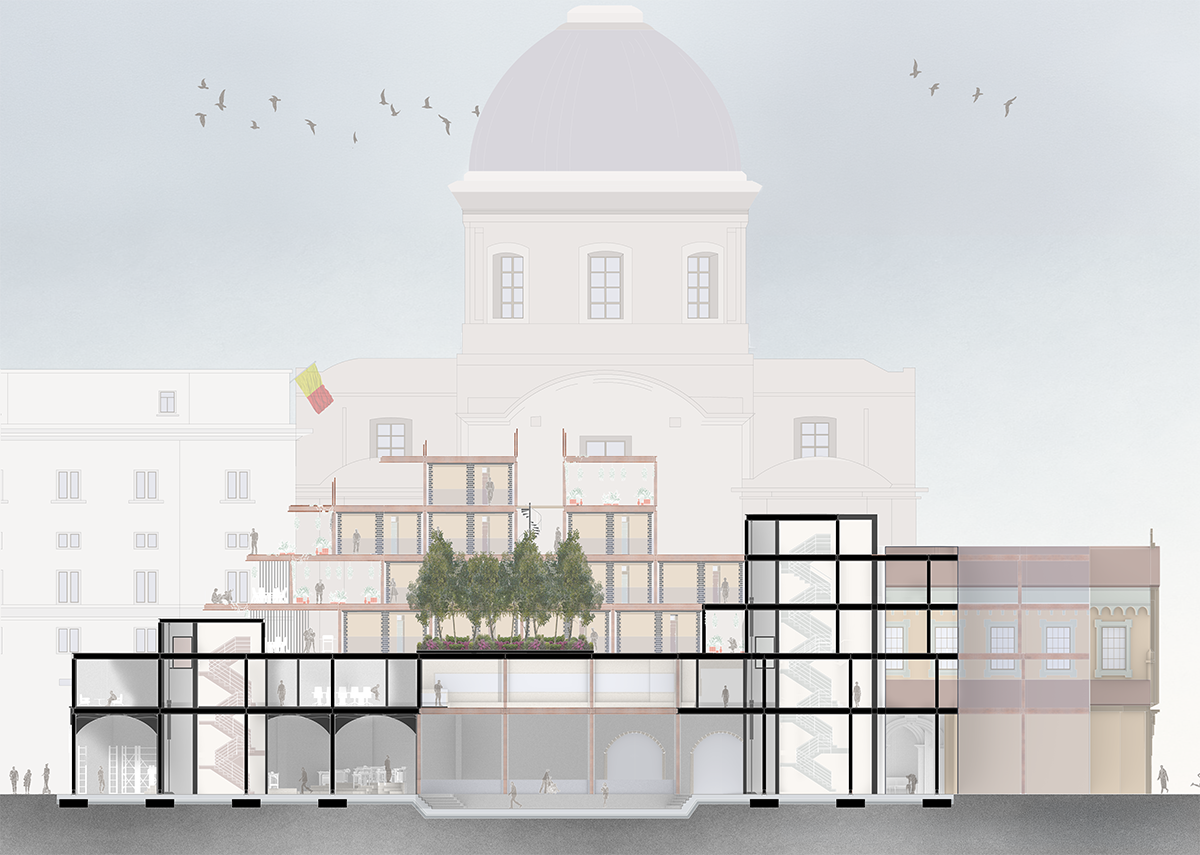

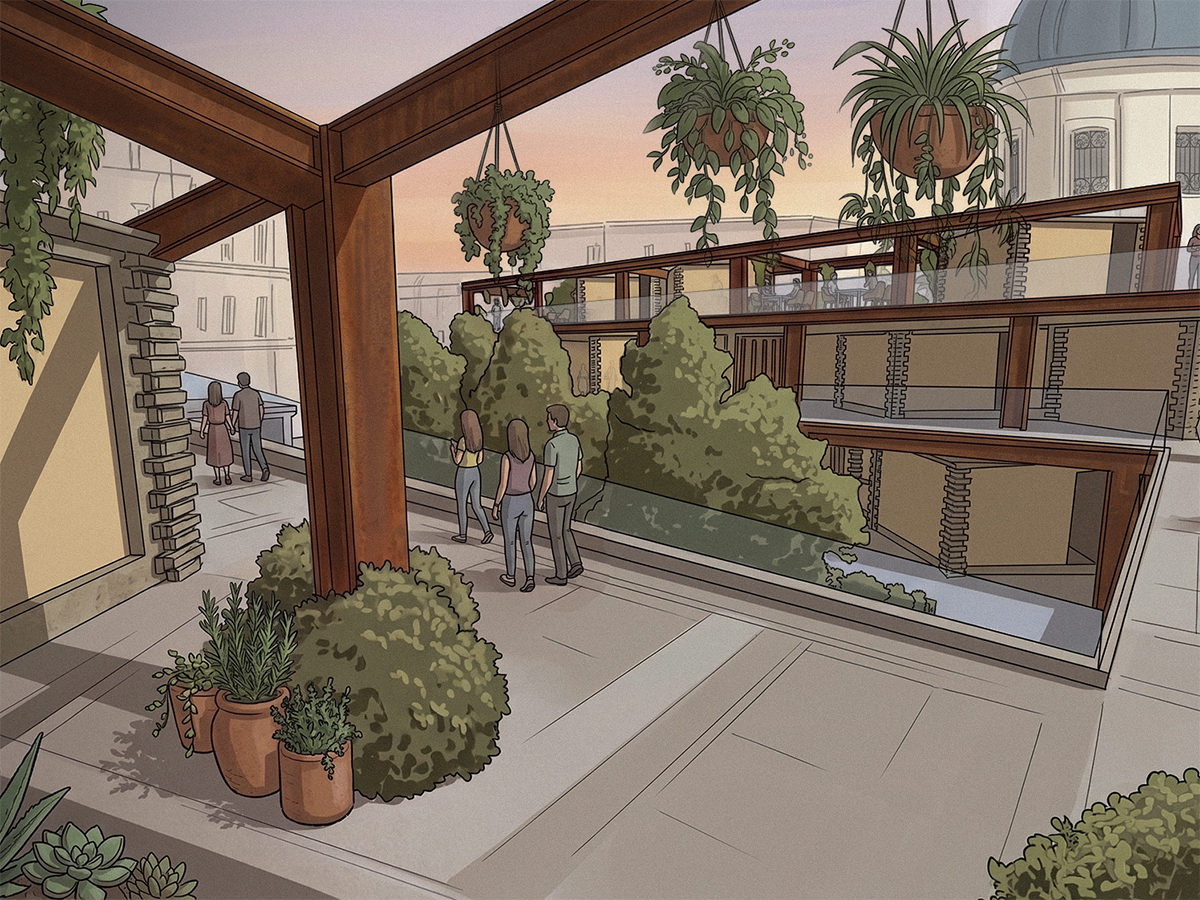
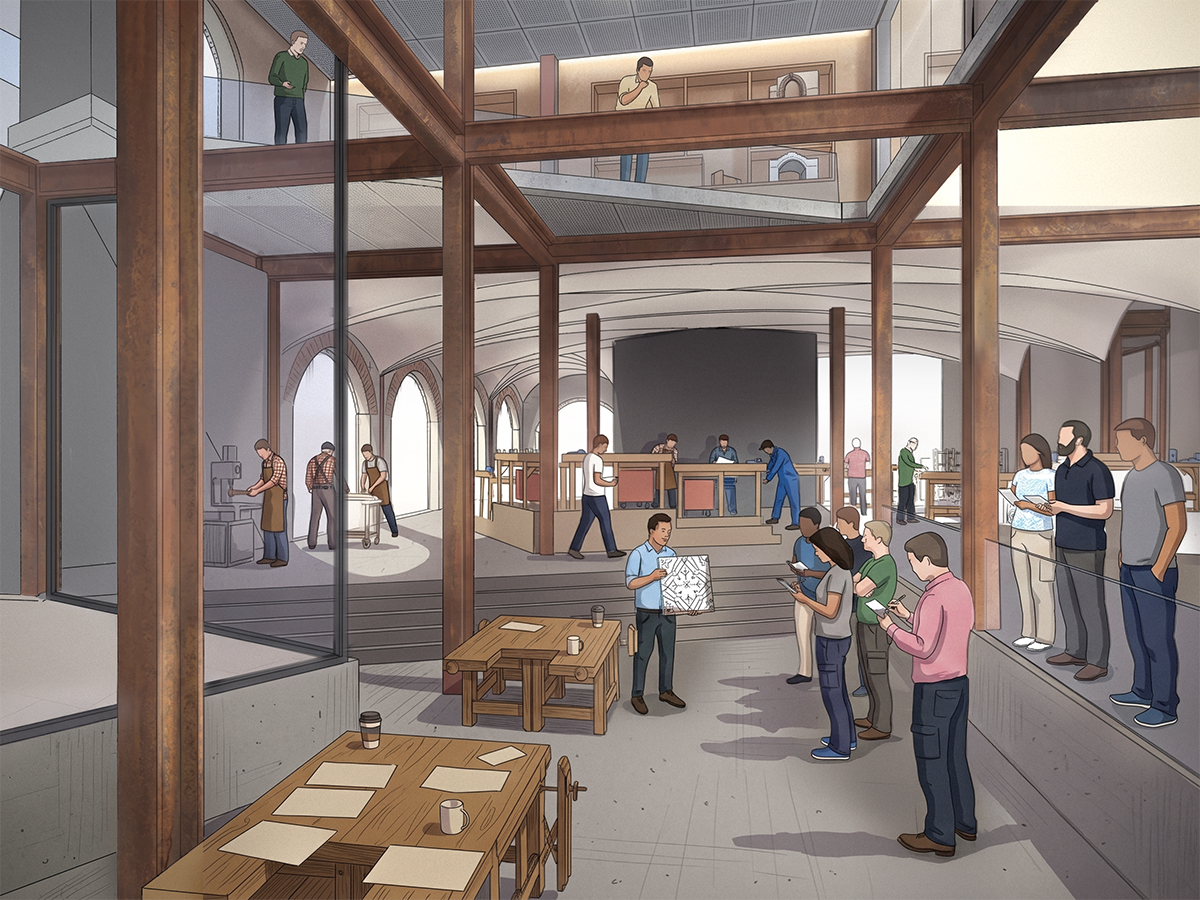
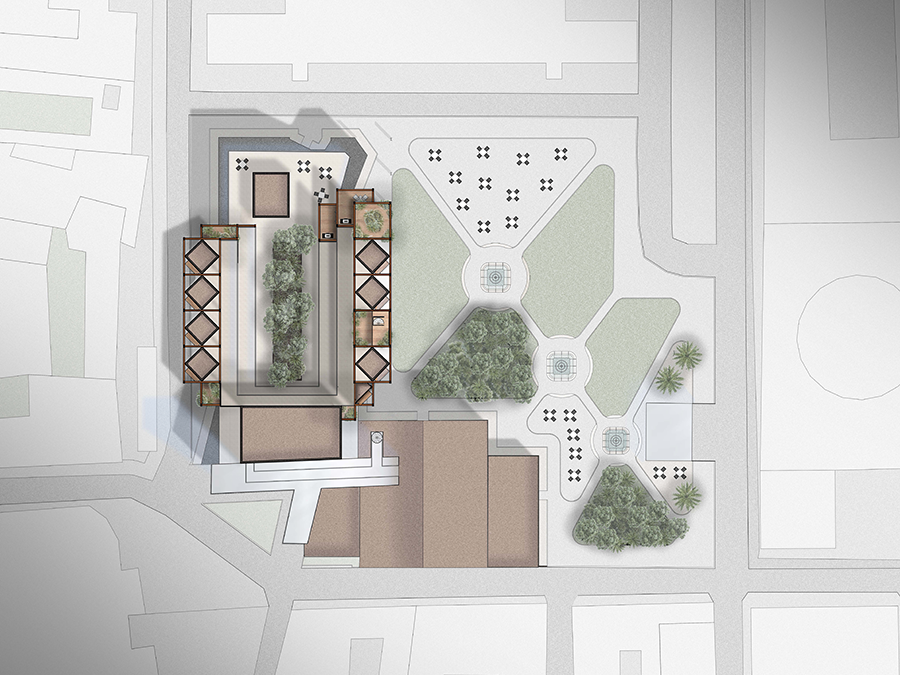
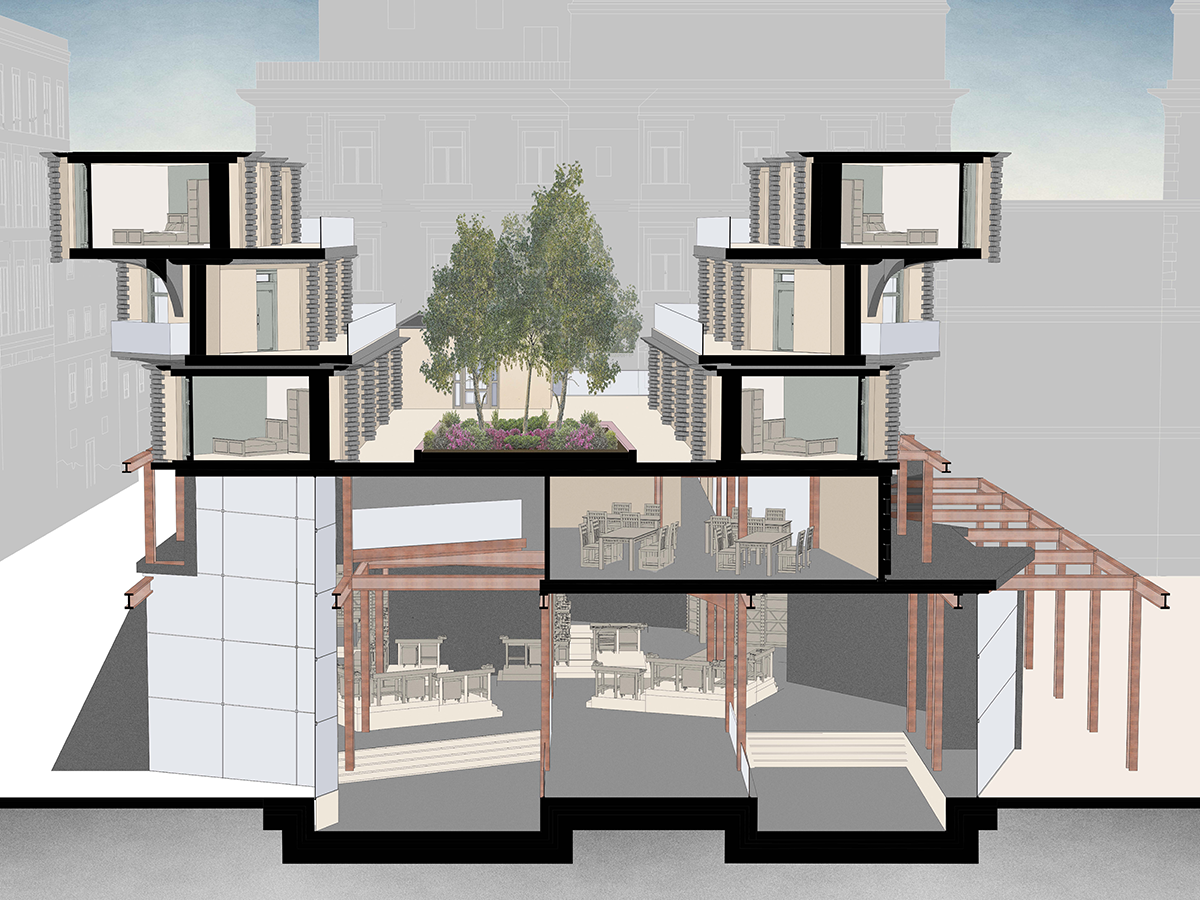
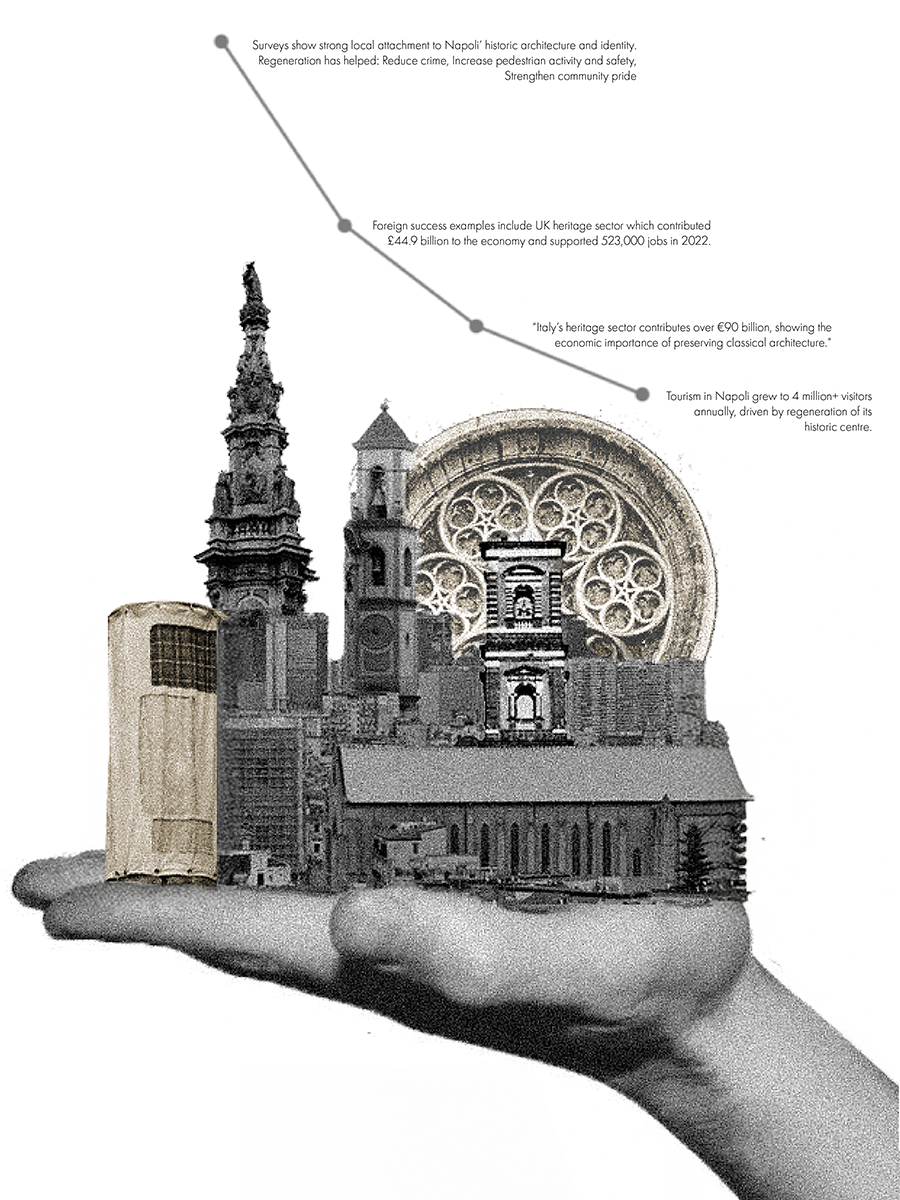
This building responds to the stark dichotomy of the rich Italian street culture and the bleak pragmatism of actually living on the streets. Napoli is a city full of decay, and as a result the streets are rife with homelessness. This intervention looks to pair a housing-first approach to homelessness with a workshop for local construction skills, promoting social mobility and economic independence. This is expressed through the residential modular blocks surrounding a courtyard, embracing local architectural language and informal social concepts such as ‘balcony life’. The ground levels house workshops teaching traditional crafts including stucco work, masonry and Neapolitan tiling. These support the restoration of local architecture and promote urban regeneration. Investment in restoring decaying buildings has already proven itself financially viable in Napoli, having driven tourism growth, created more jobs and driven more money towards the city.
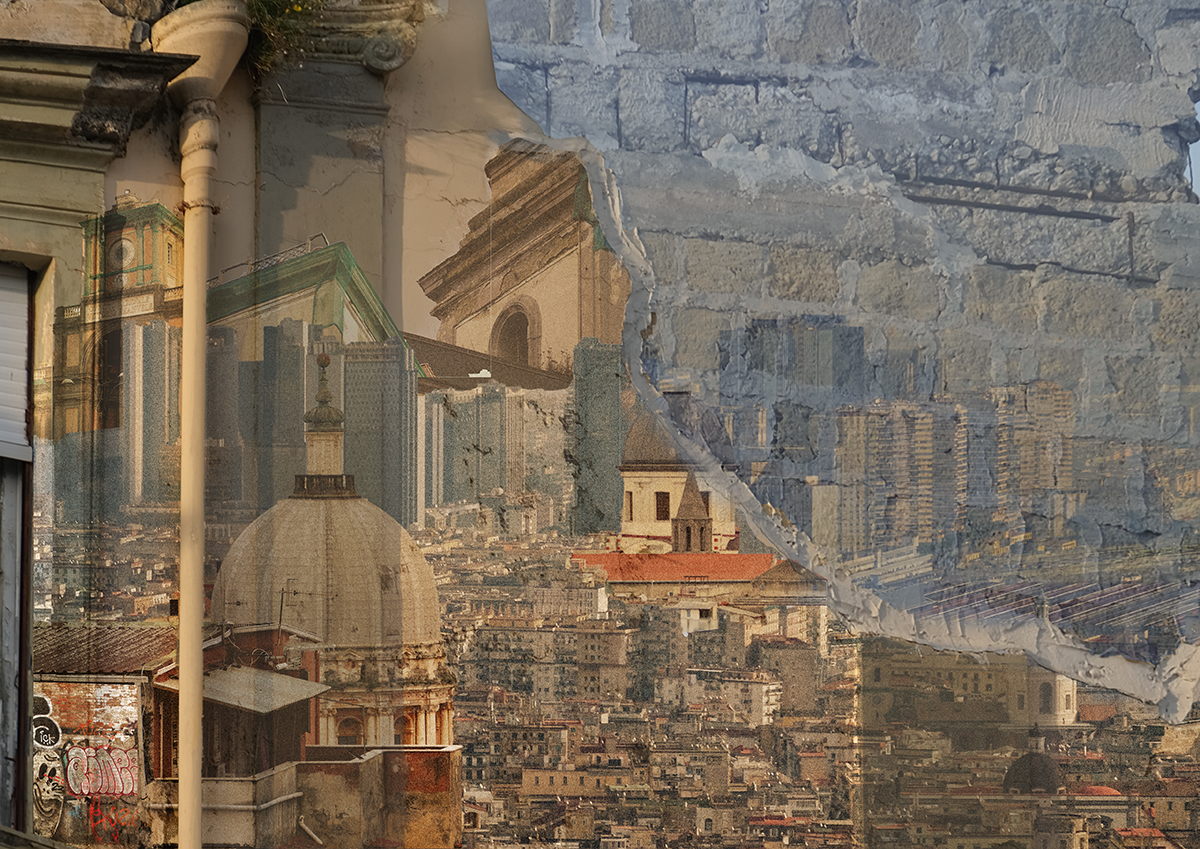
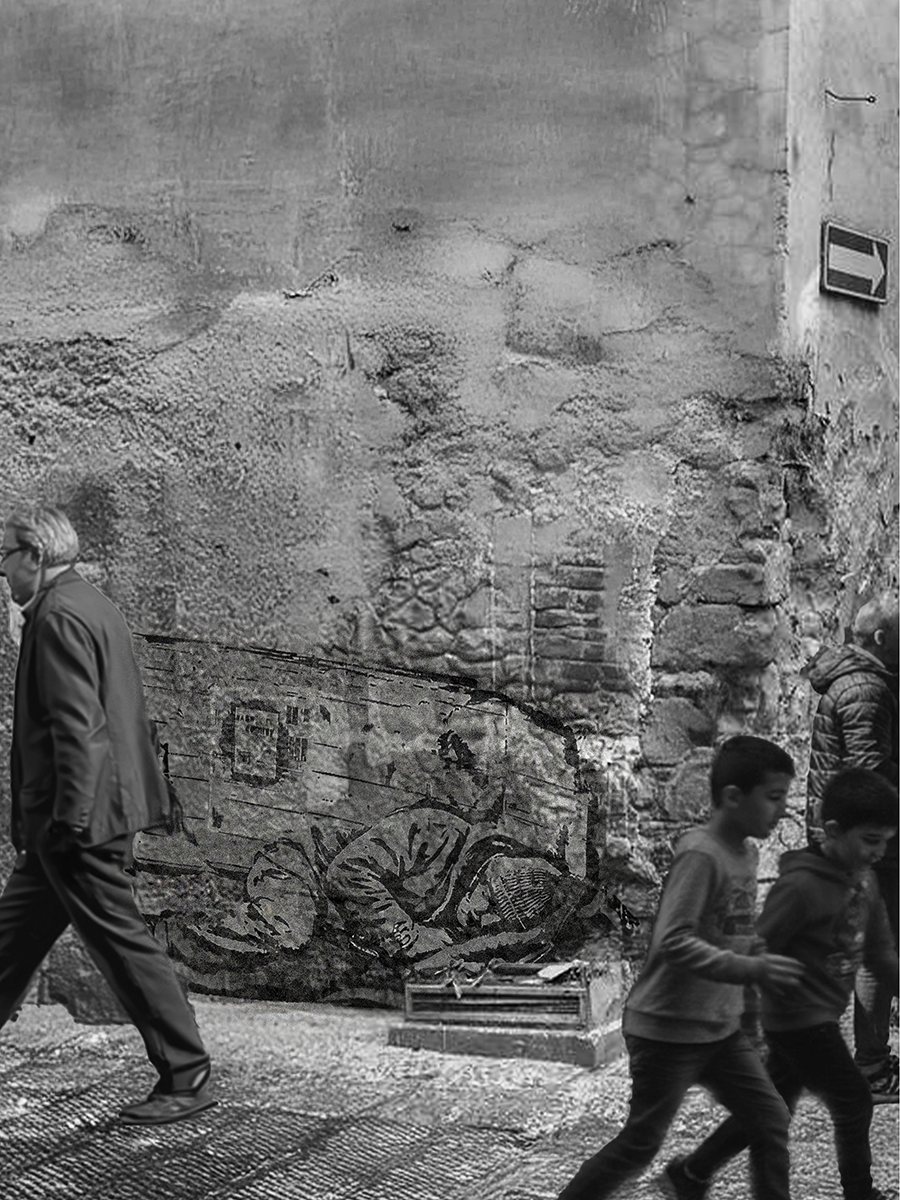
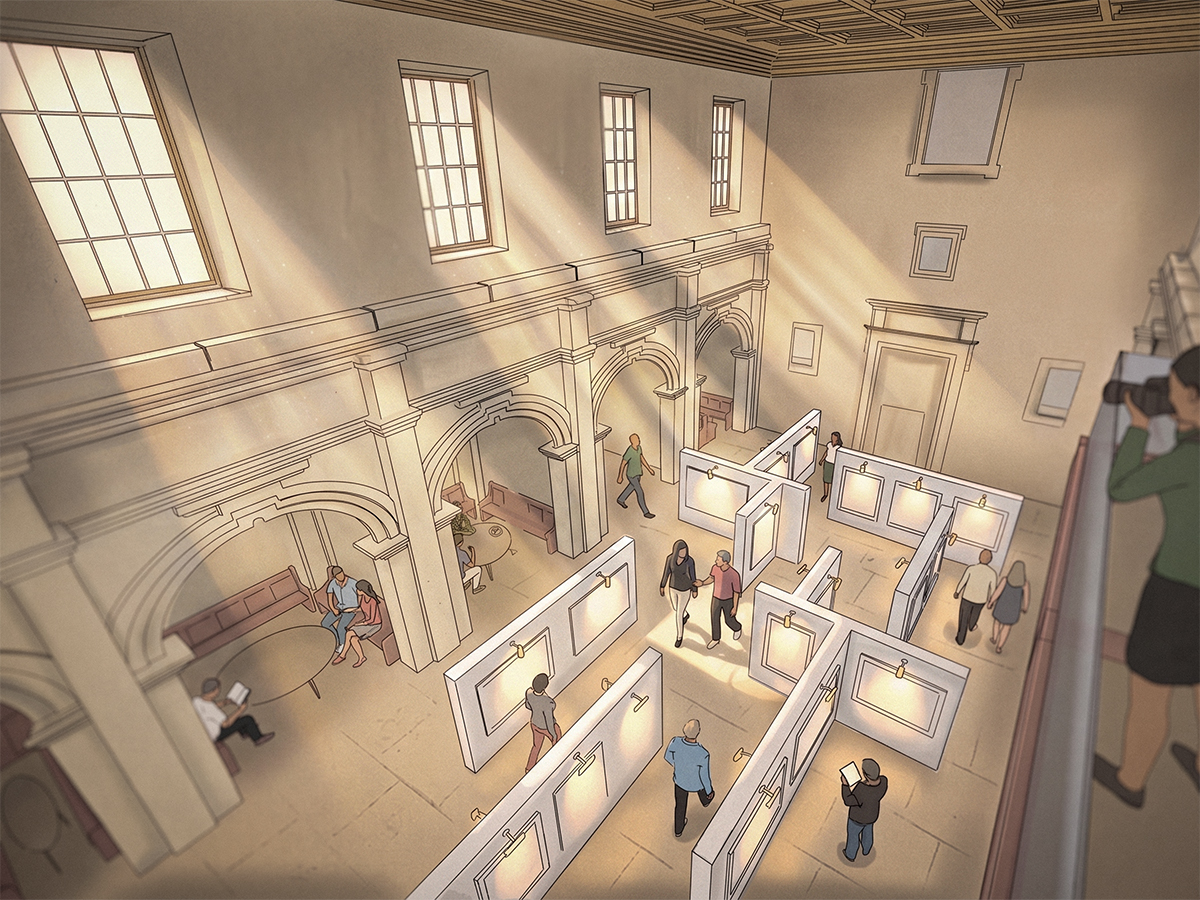
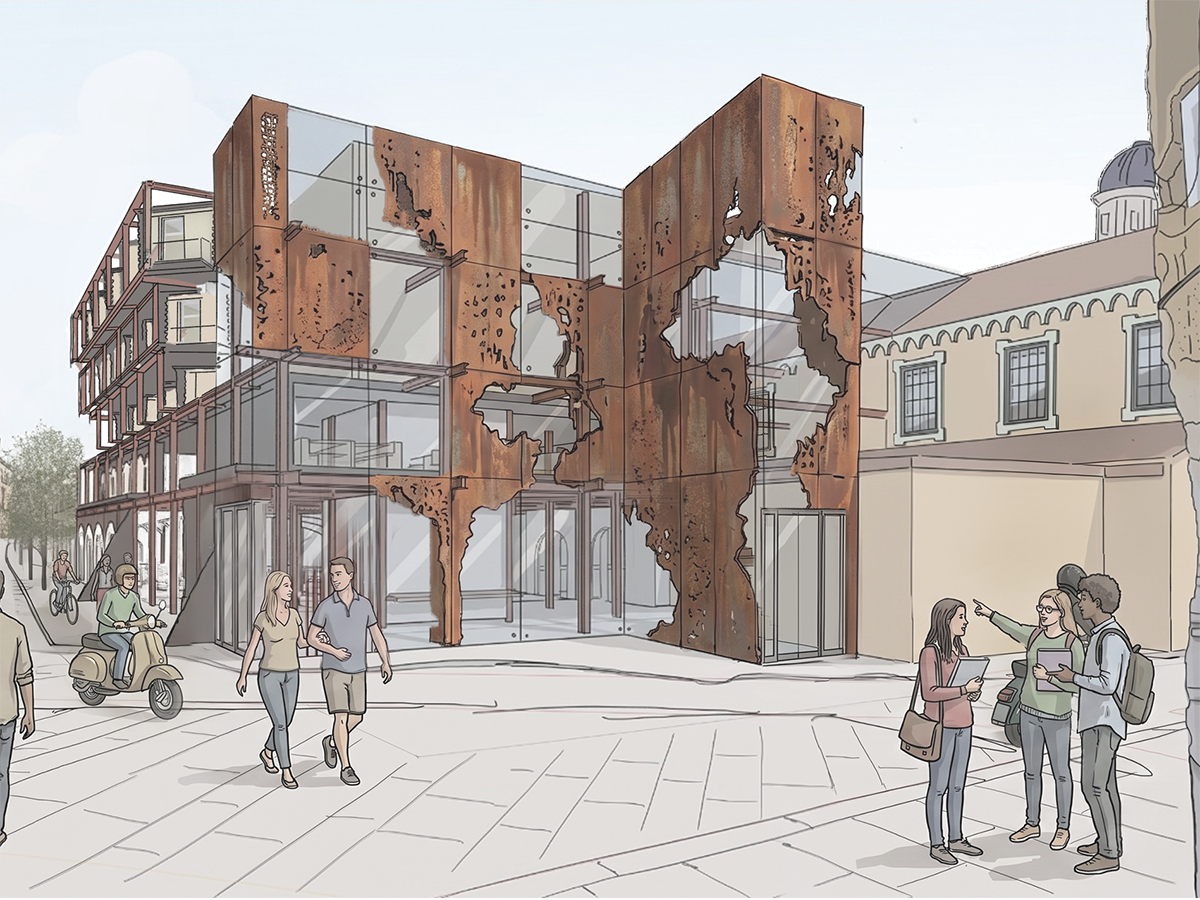
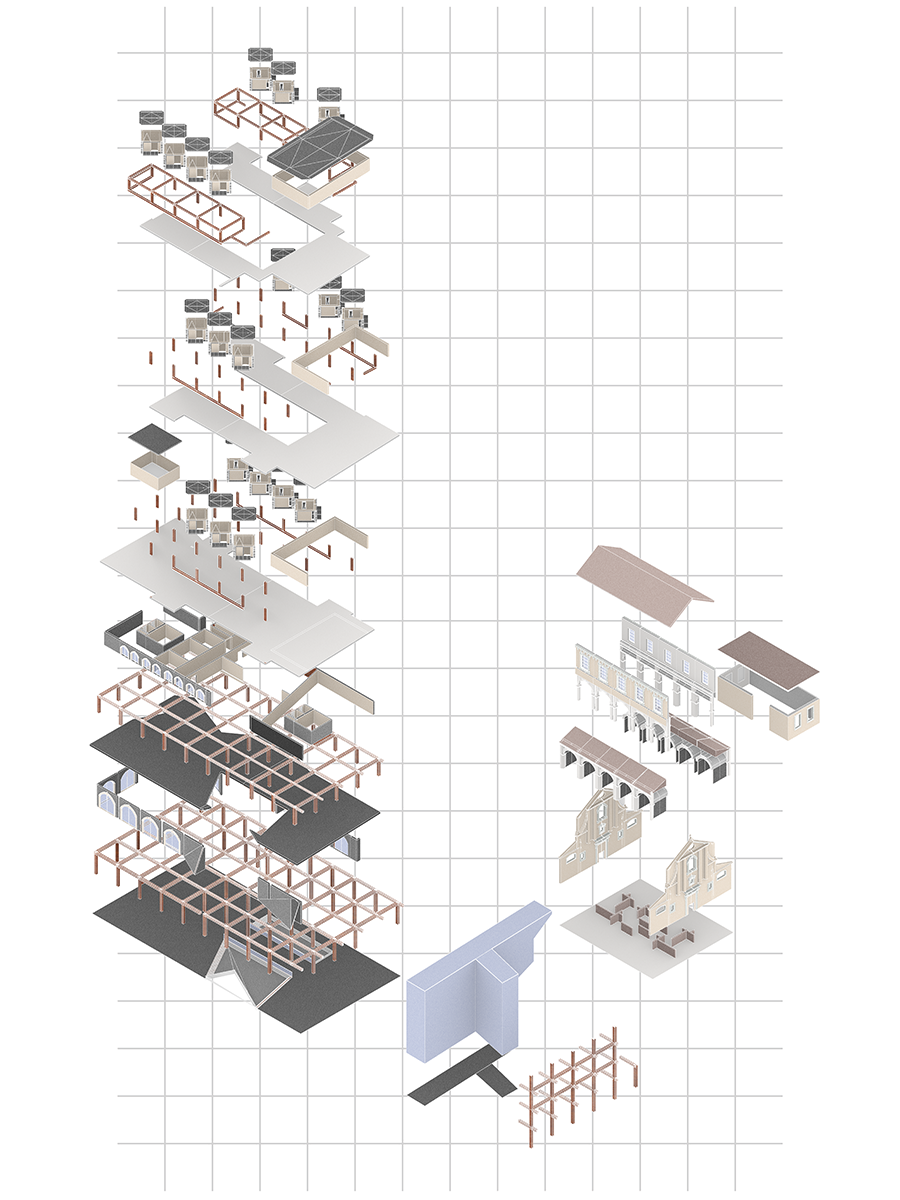
Decay is respected within the building by selective subtraction from a solid volume dictated by key site factors, creating a formalised language of decay within the new building. This is subtly amplified by a steel exoskeleton that delineates the carved void areas. Given the importance of heritage in this project, the incorporation of the church is a key aspect, achieved through a subtle reinterpretation of its language to create a Metabolist structure that is dynamic, allowing for renewal rather than total replacement.