I am a passionate and dedicated architecture student. Throughout this year I've been focusing on implementing phemenological design into my projects, creating atmospheres that compliment the function of the space and learning to design from the inside out.
Graduation Project: Strati di Espressione [Layers of Expression]
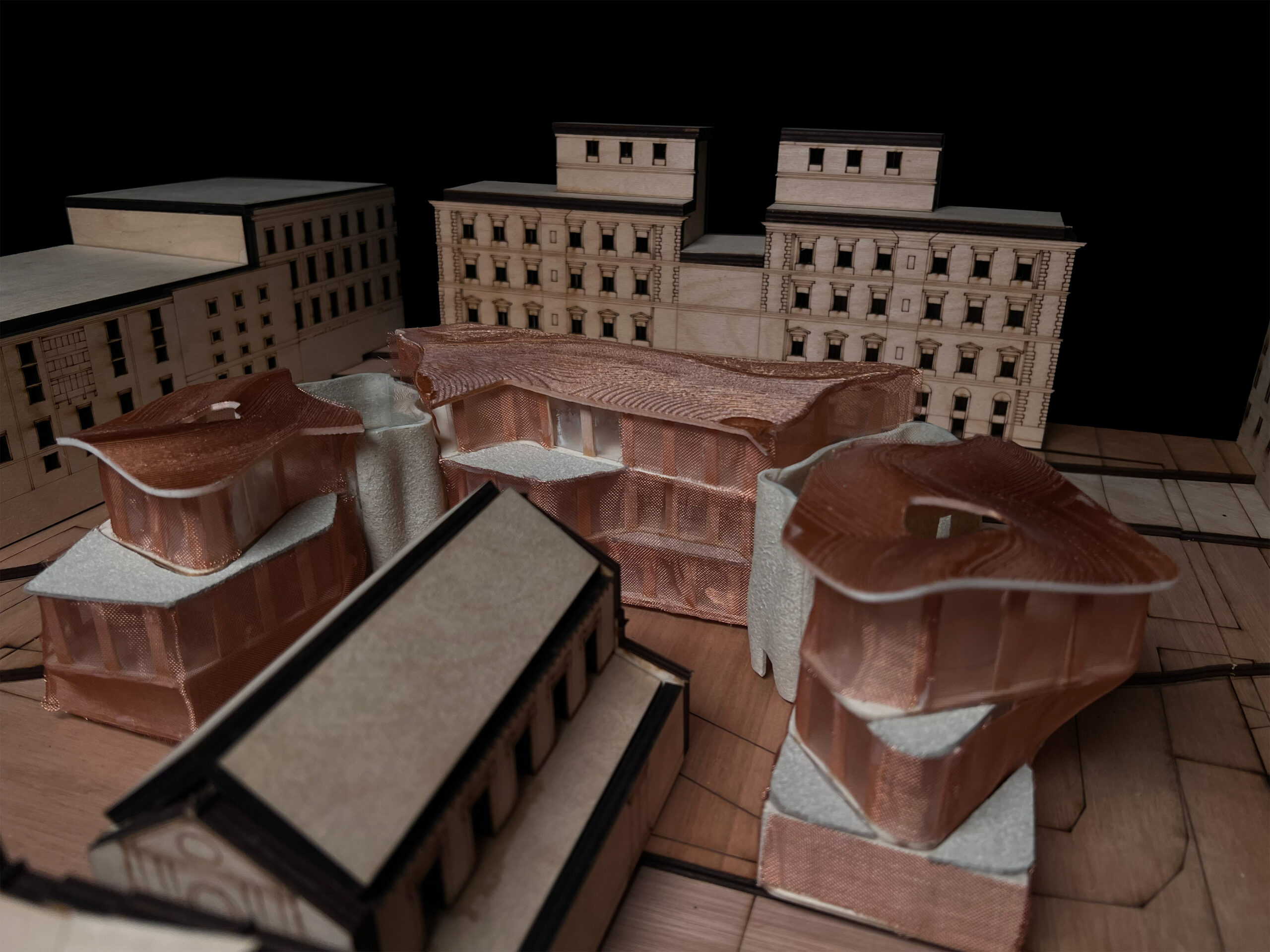
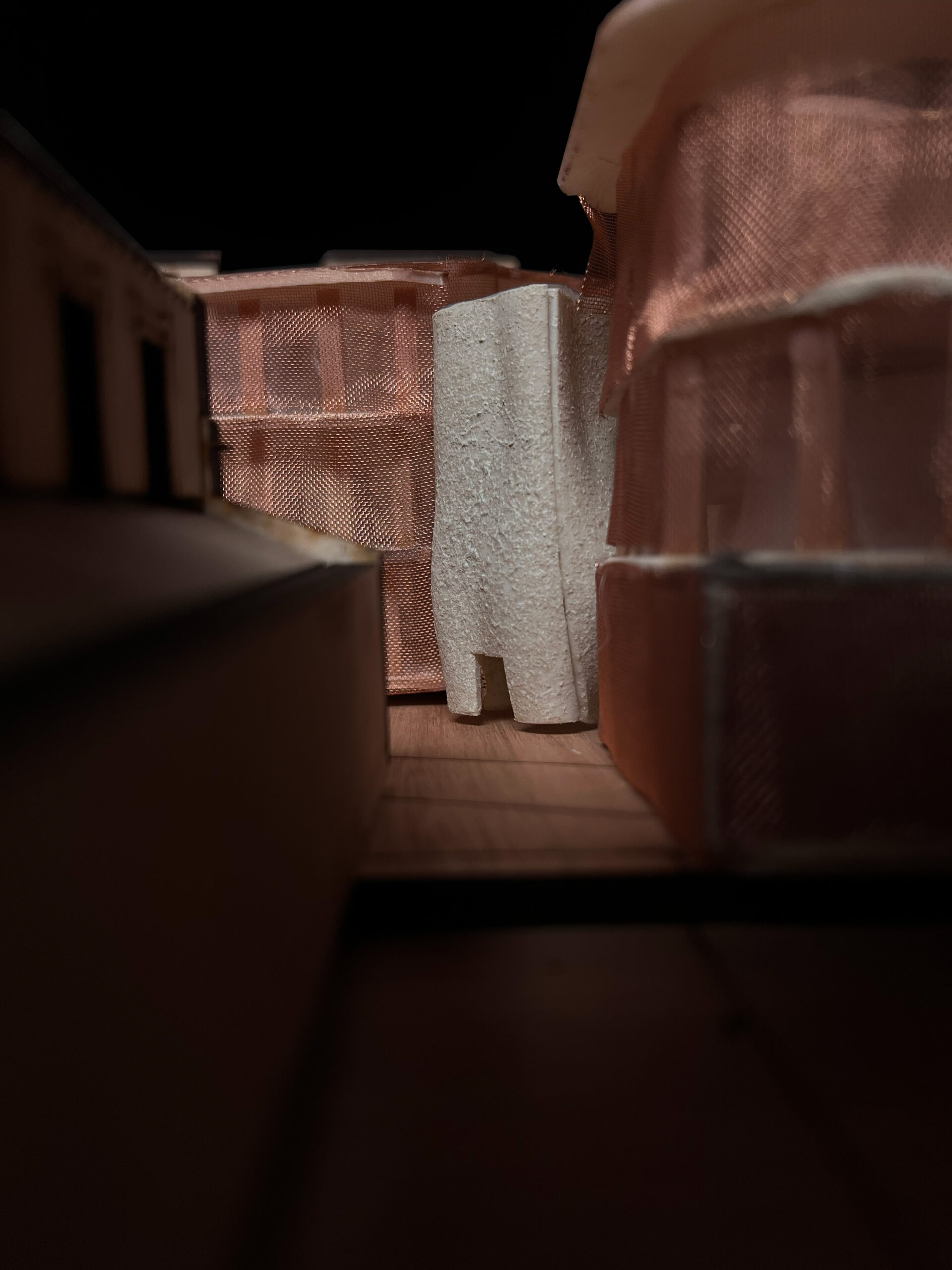
Physical Model of Project
Project Narrative
Within the dense urban fabric of Naples, youthful displacement remains at an all-time high within the area. Between 2011 and 2024, more than 630,000 young Italians aged 18-34 emigrated abroad due to the lack of opportunities in the South of Italy. The situation is more complex for graduates from the humanities, artistic disciplines, or hybrid fields such as architecture. While the education is of high quality, the local job market is more limited, and many graduates are therefore forced to move to Northern Italy or, very often, abroad in order to work and have better opportunities. This migration away from Naples is not out of ambition, but a forced necessity. Therefore, this project aims to help retain the artistic youth in Naples by providing a dedicated space for the youth to express themselves through the arts or vocationally freely.
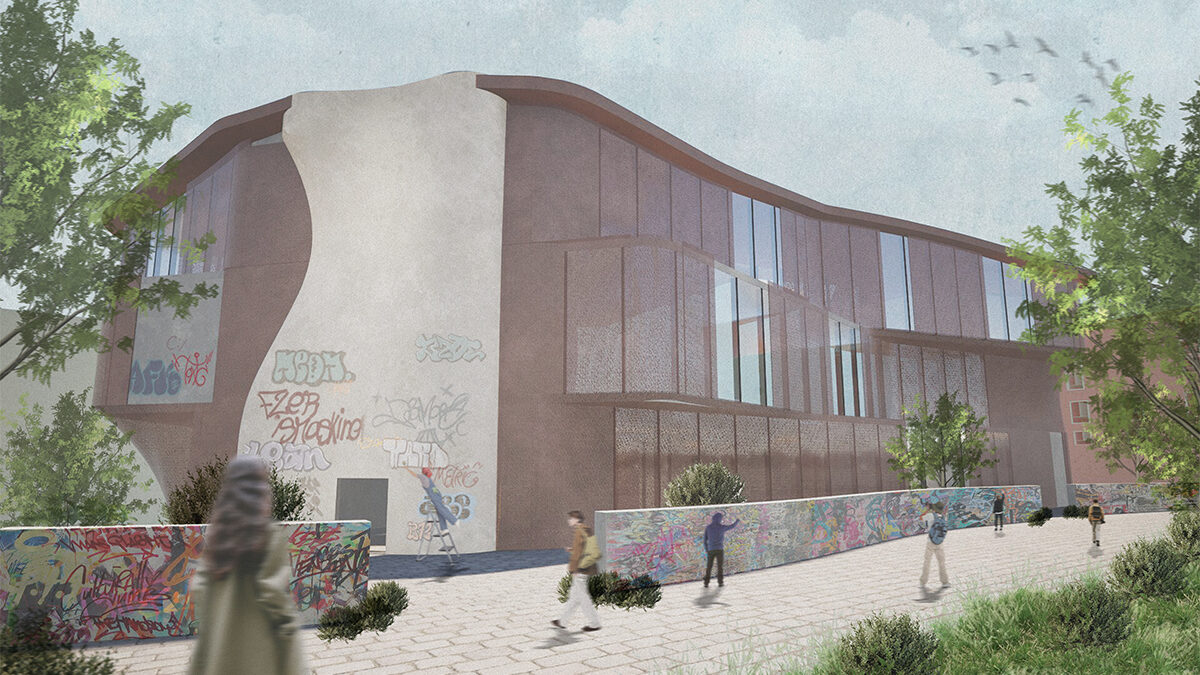
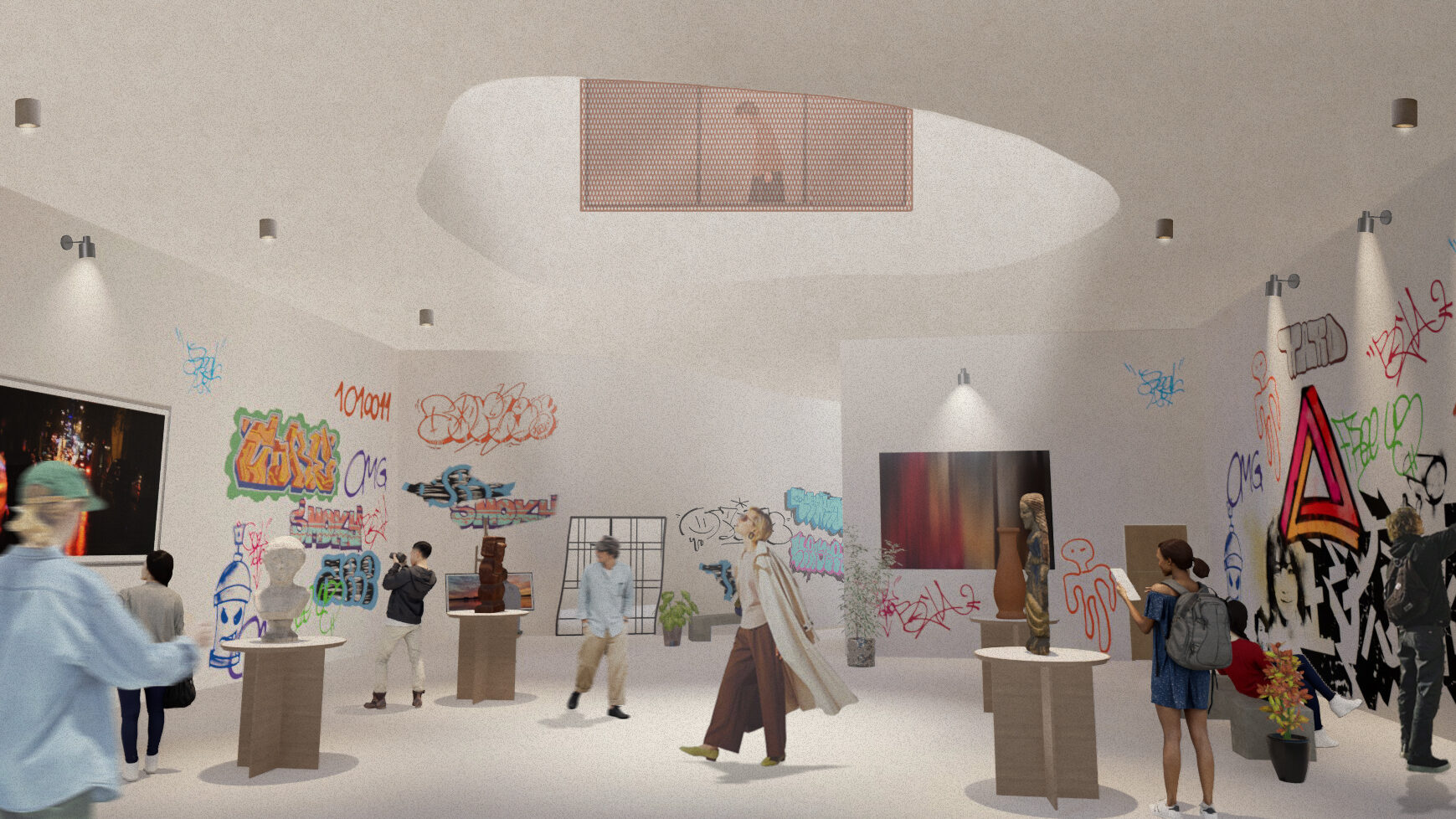
The central focus of the project is redefining graffiti, not as vandalism, but as a powerful form of artistic expression. While many locals are resistant to the acceptance of street art across the city, the proposal embraces it into the very fabric of the architecture. Beyond artistic promotion, the project also foregrounds the importance of providing the youth with a voice, particularly in a socio-political context. There are many Youth Forum groups within Naples who help organise debates, protests, and provide a platform for the Neapolitan Youth to vocally express themselves. However, there is a lack of infrastructure for these groups to meet and organise events in person. Therefore, a debate chamber and protest-prop workshop encourage dialogue and activism.
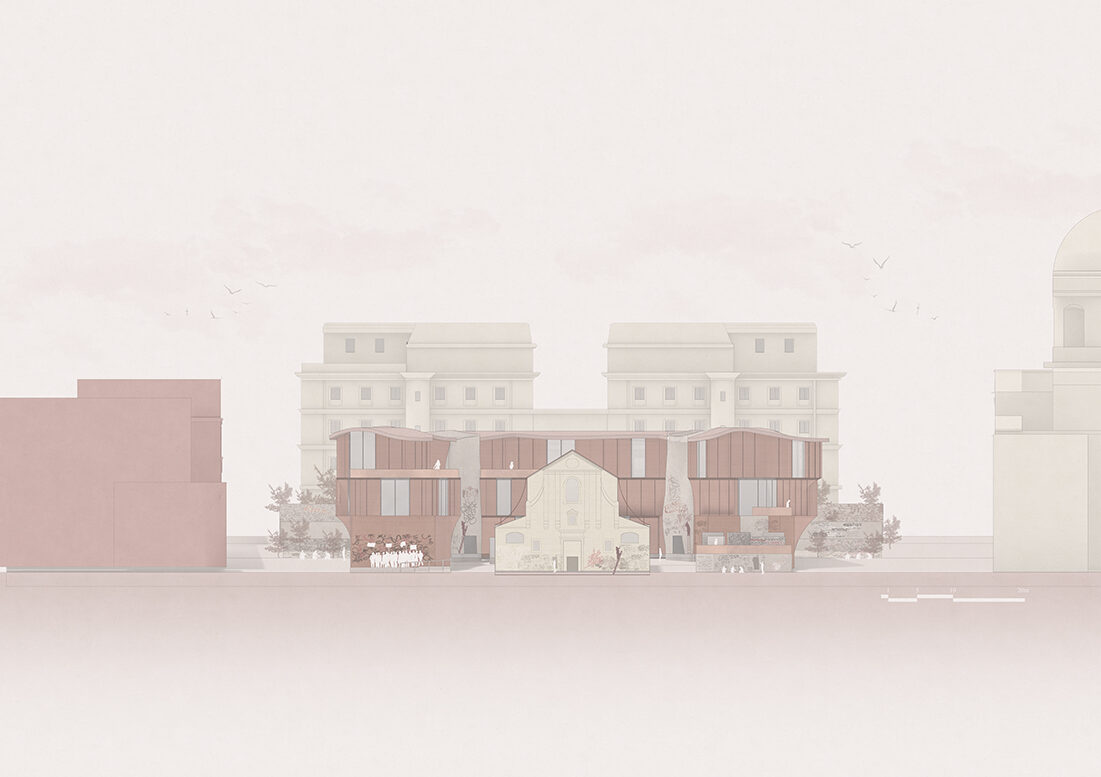
Front Elevation
Exterior Render
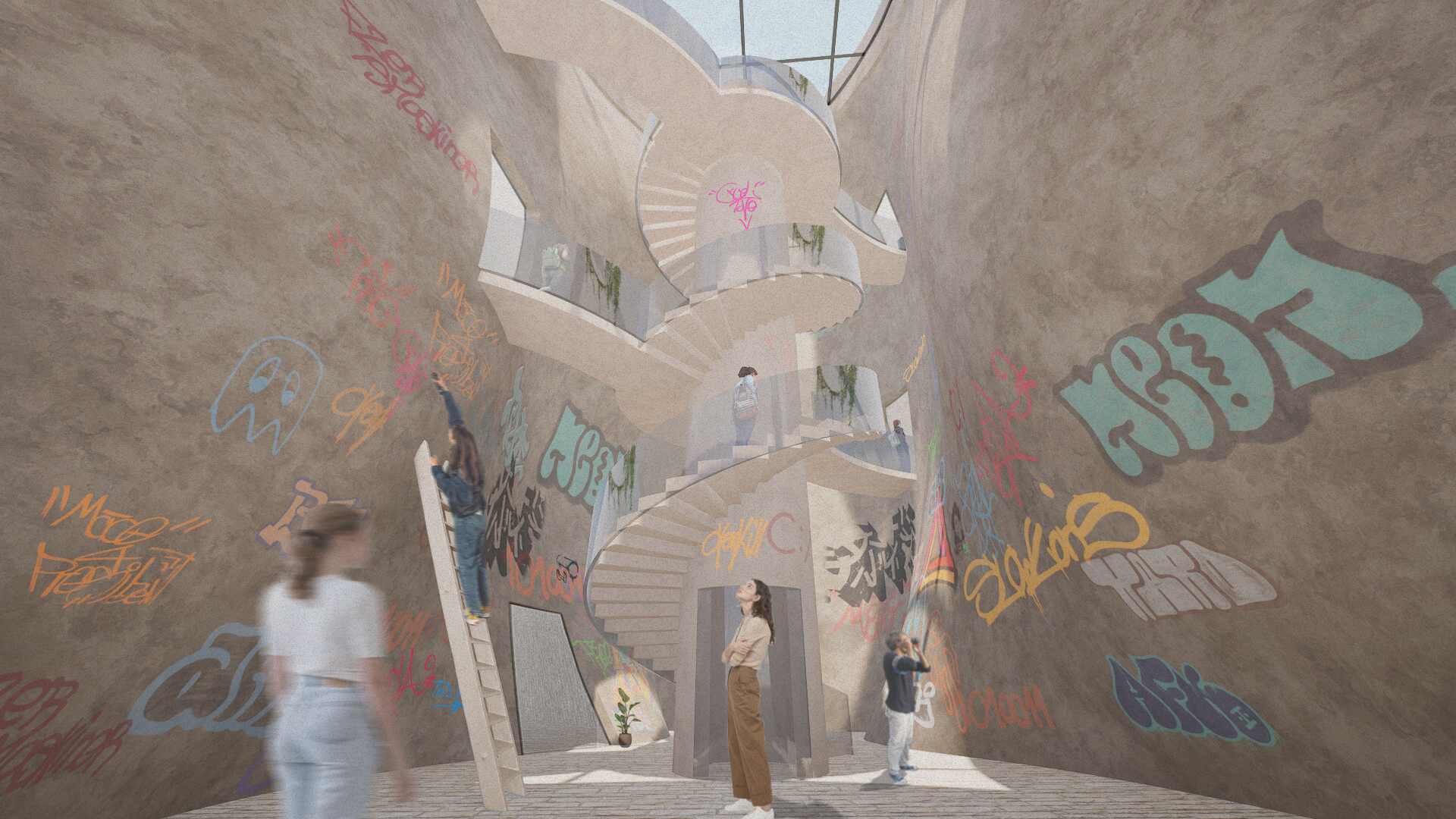
Interior Render of Gallery
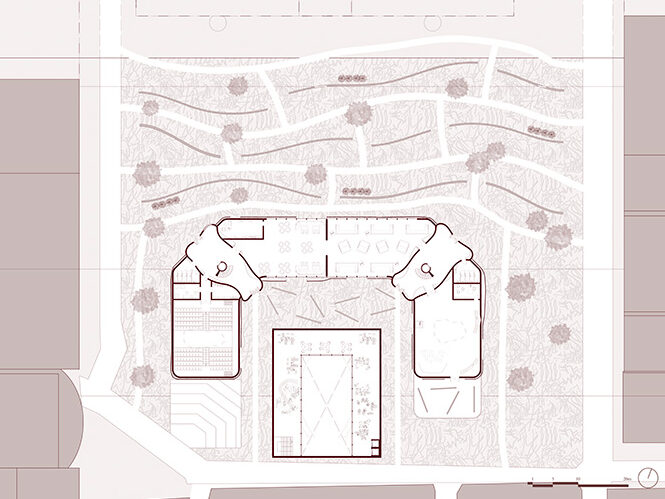
Ground Floor Plan
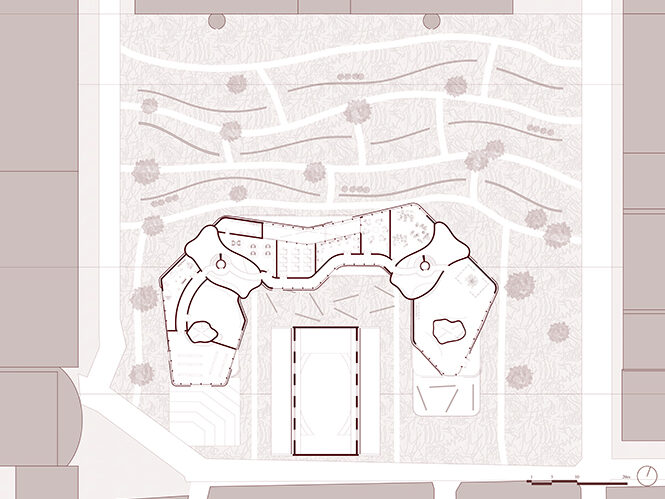
First Floor Plan
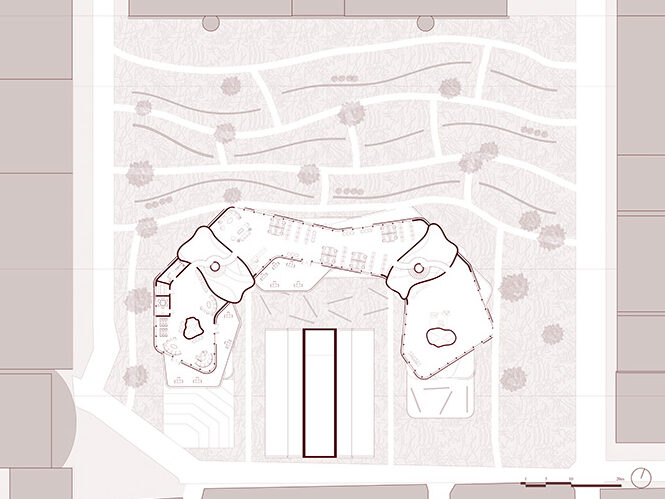
Second Floor Plan
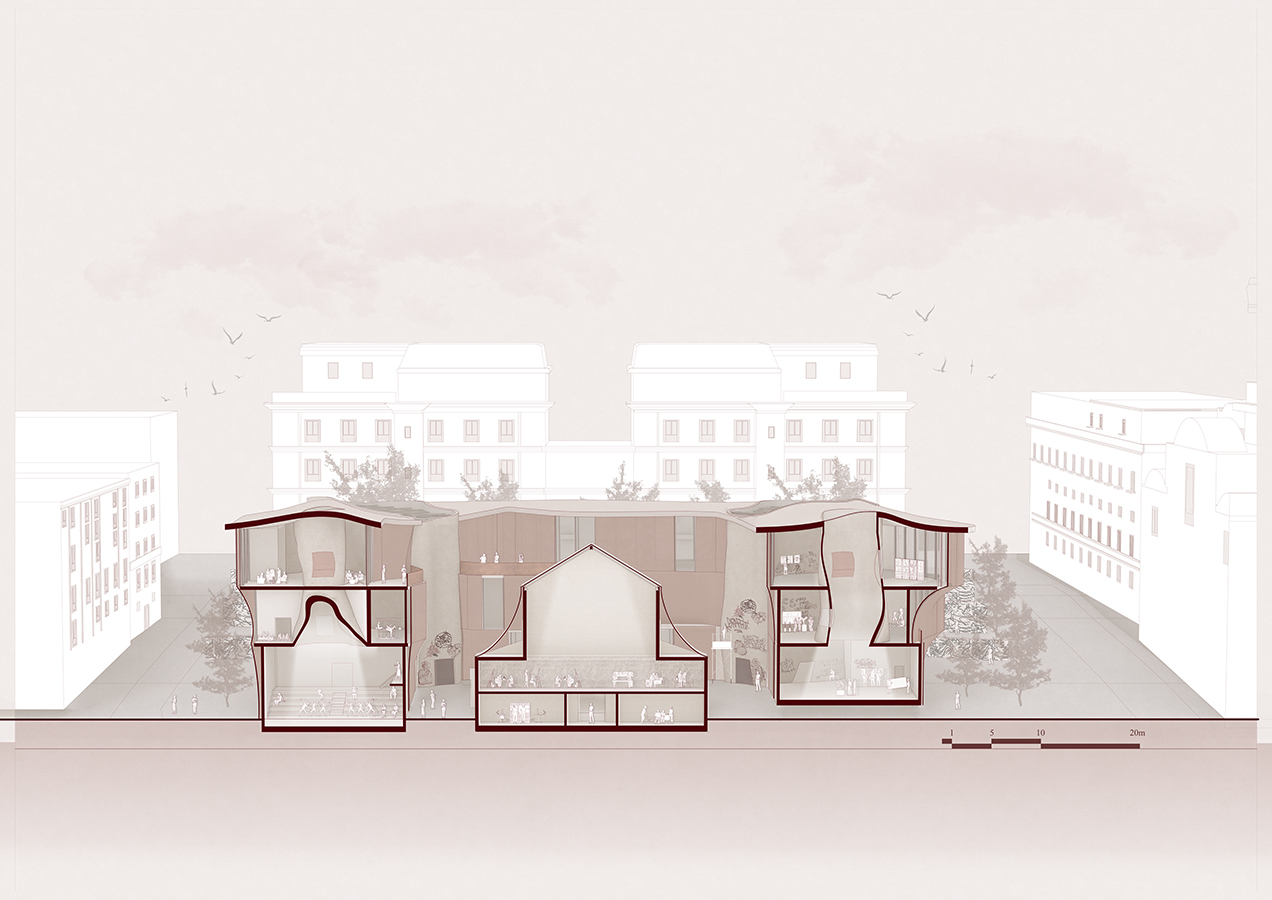
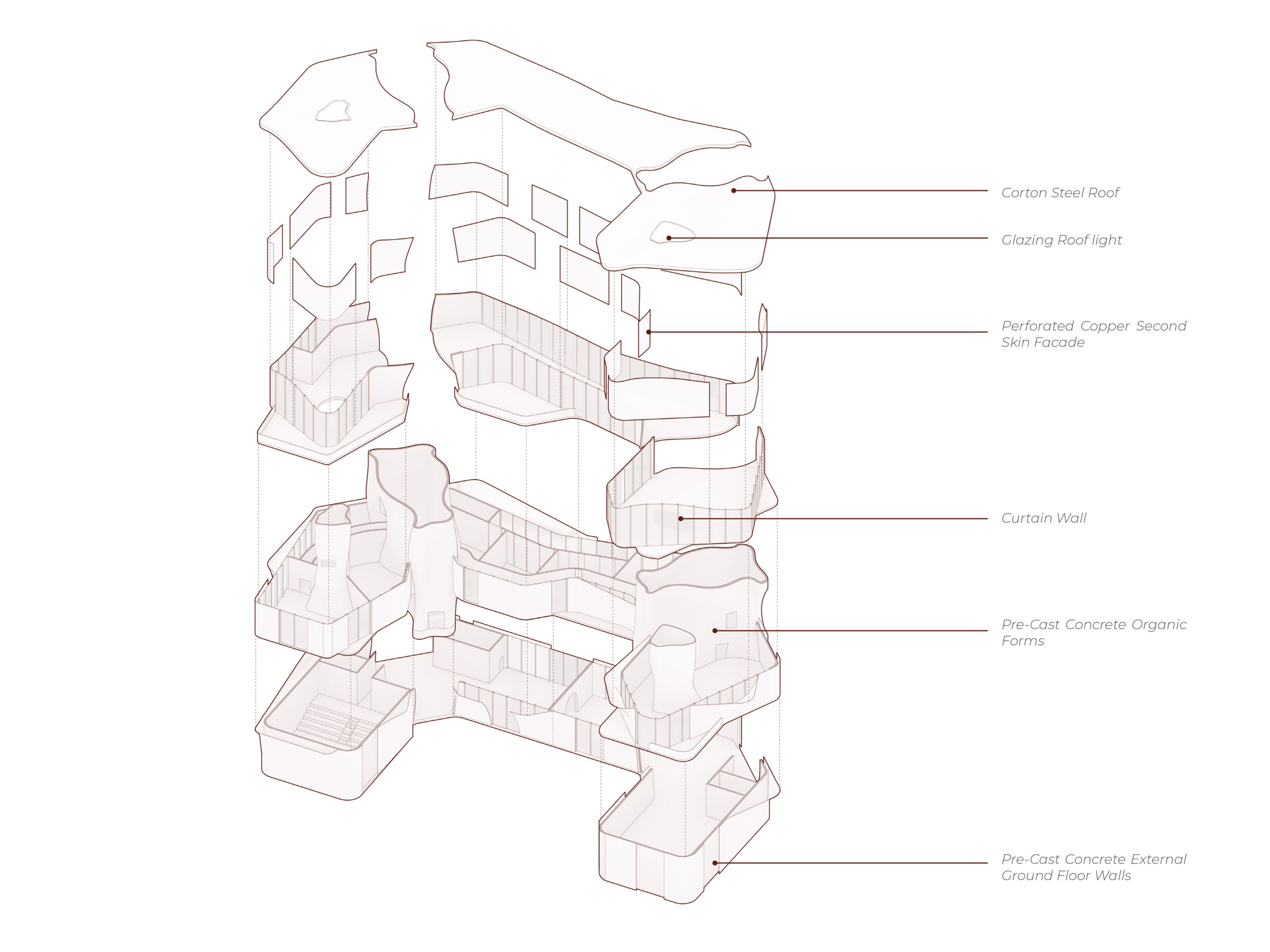
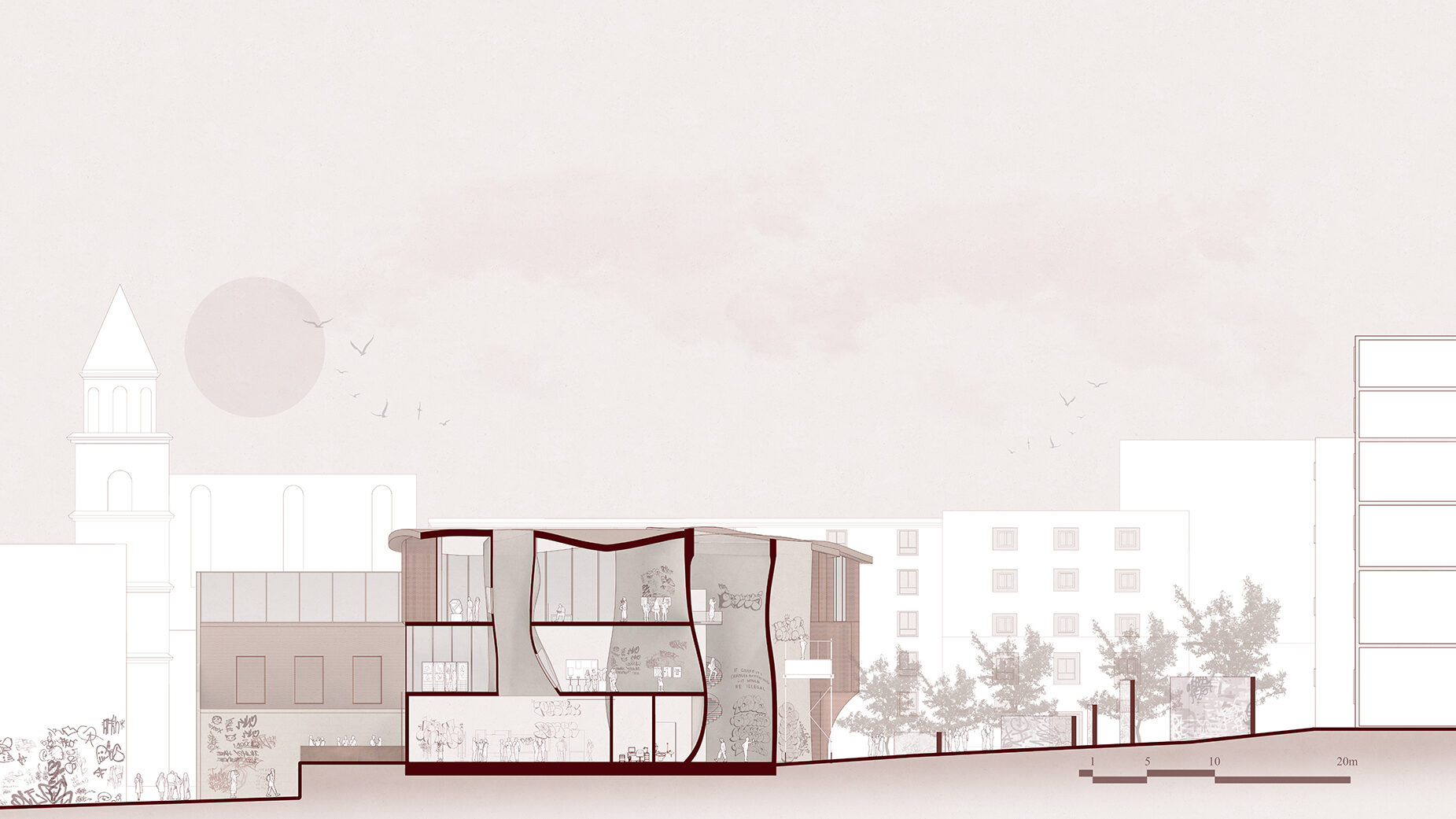
The main concepts that drive the architecture play with layers and ordered vs complex geometry. Organic voids run through some of the spaces to provide light as well as visual connections and interactions to all the levels of the scheme. A second skin façade is placed on the exterior to create a layered effect through materiality. The use of exposed concrete establishes the building as a blank canvas and an open invitation for artistic expression. Complementing the encouragement of an ever-changing façade is the choice of copper cladding, chosen for its capability to naturally age over time. As the copper oxidises, it mirrors the accumulation of layering graffiti, symbolising the passage of time as well as the building’s responsiveness to its users.
Strati di espressione offers the youth a space to make, express and debate. The gallery, archive, workshops and performance spaces are designed to enhance creative development, with the debate chamber and protest-prop workshop demonstrating that making banners or rehearsing arguments is a form of creative work. Furthermore, a legal graffiti-walled garden provides the project with a green public realm and promotes street art to the fullest.