Celine Naphray


My focus as a graduating student is manifesting unique concepts into final architectural design. I take the time to enjoy the process that leads up to the result, working in incremental phases which morph abstract to reality.
My focus as a graduating student is manifesting unique concepts into final architectural design. I take the time to enjoy the process that leads up to the result, working in incremental phases which morph abstract to reality.
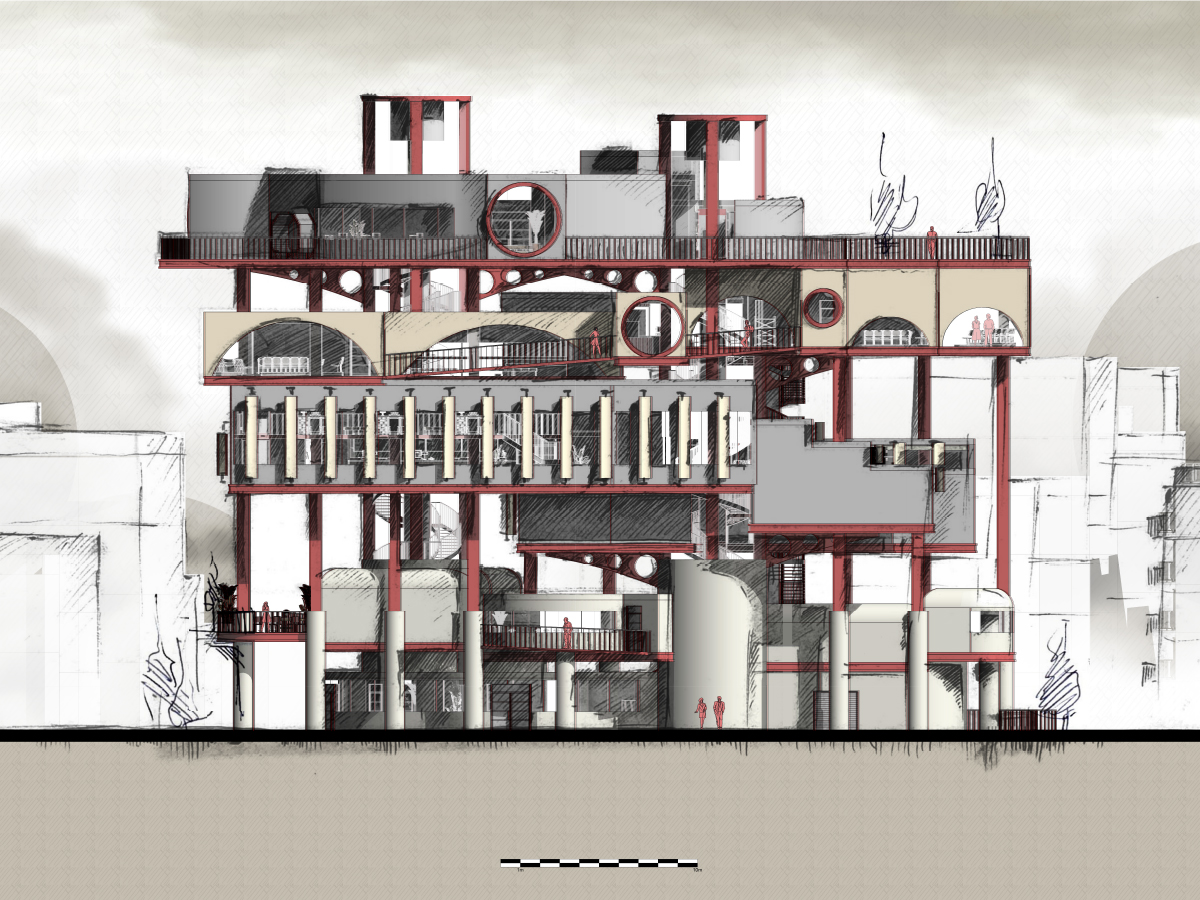
MAQUINA is a building about local ownership. Reclaiming space, work, culture and ultimately the city itself. Where concrete meets exposed steel, locals rise from their cage of tourism, becoming connected to their context through business and performance.
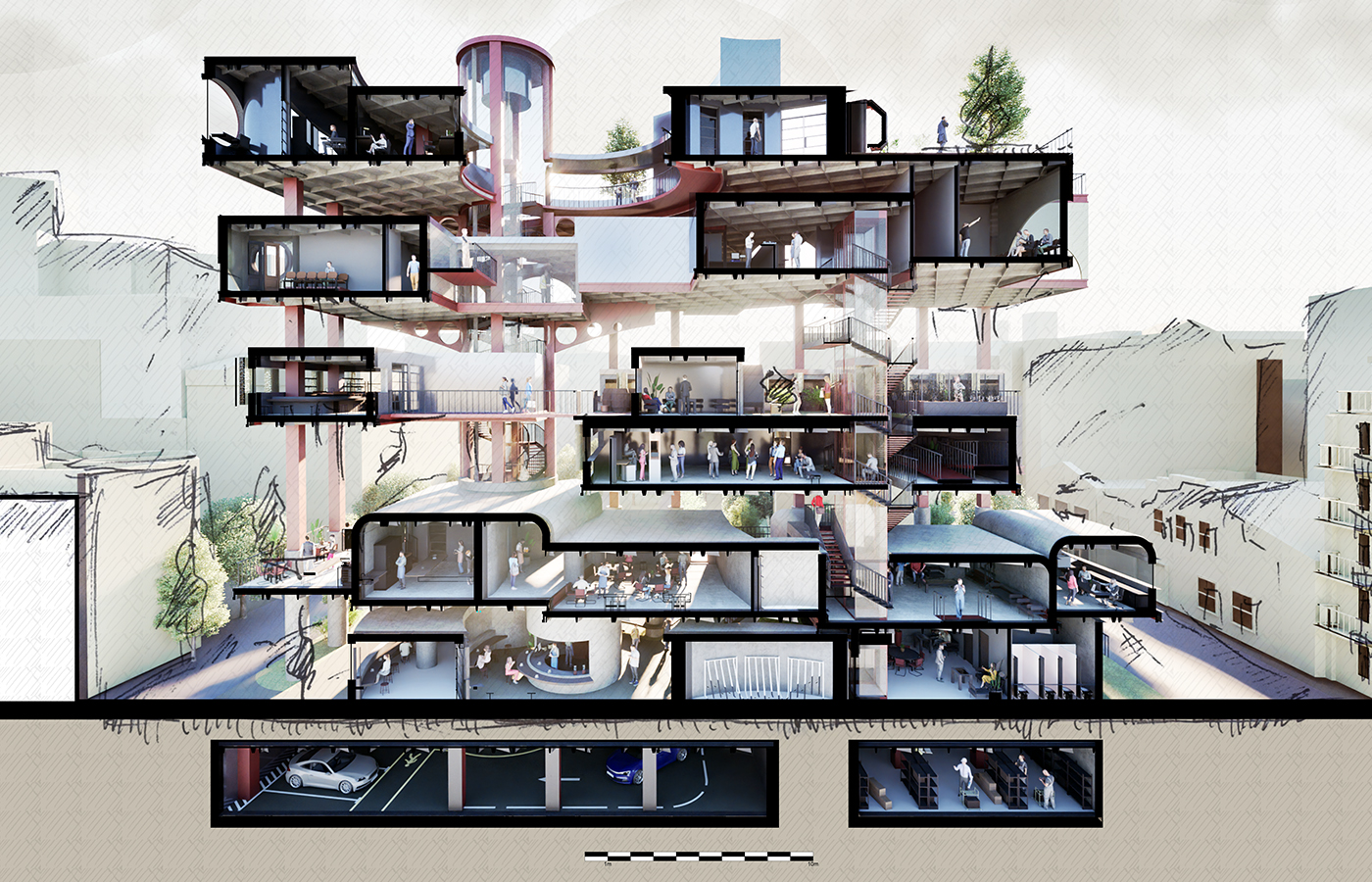
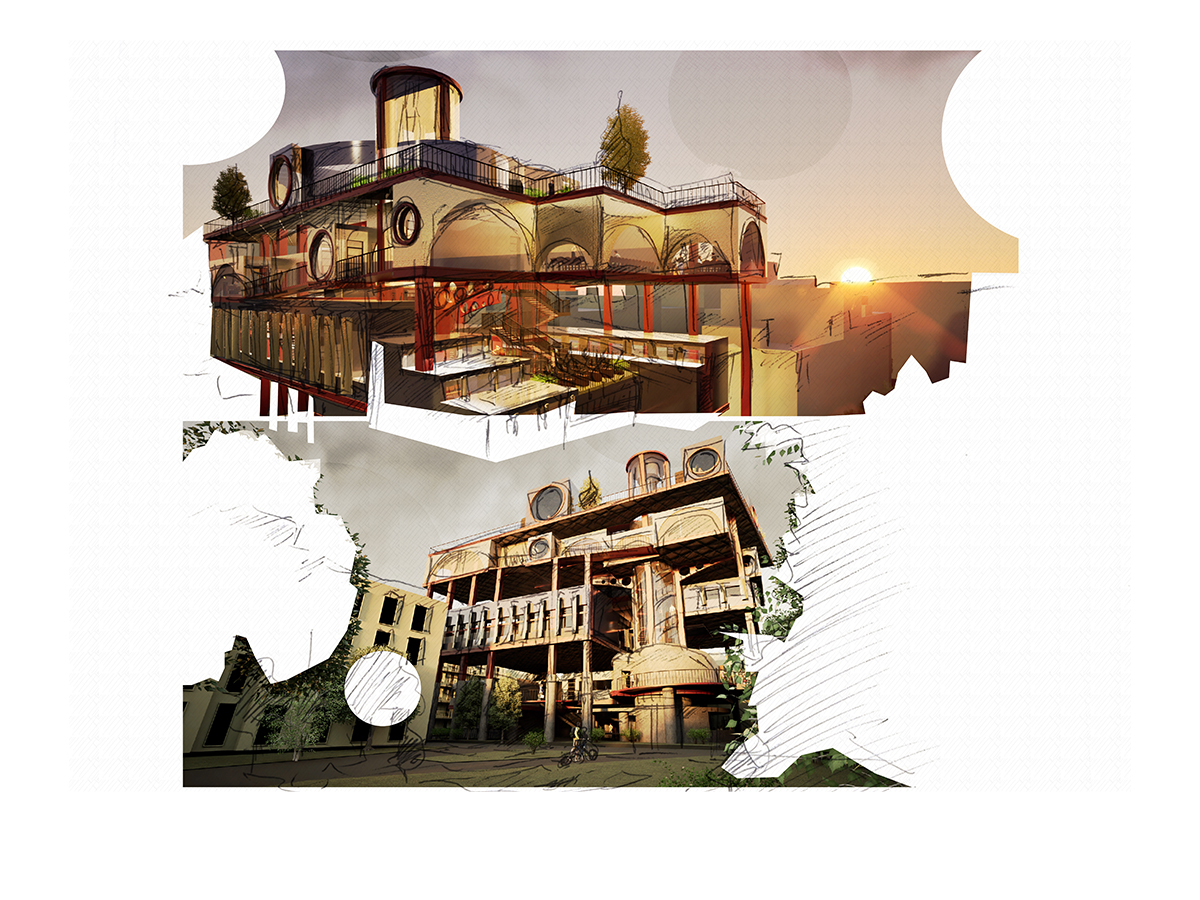
Barcelona is a city being reshaped by money. Tourism has steadily pushed locals out, driving up rents, converting homes into short-stay apartments, and hollowing out the neighbourhoods that gave the city its character. In response, the city has planned a rental ban for 2028, a policy aimed at returning Barcelona to its people. MAQUINA is a building well equipped to facilitate that shift.
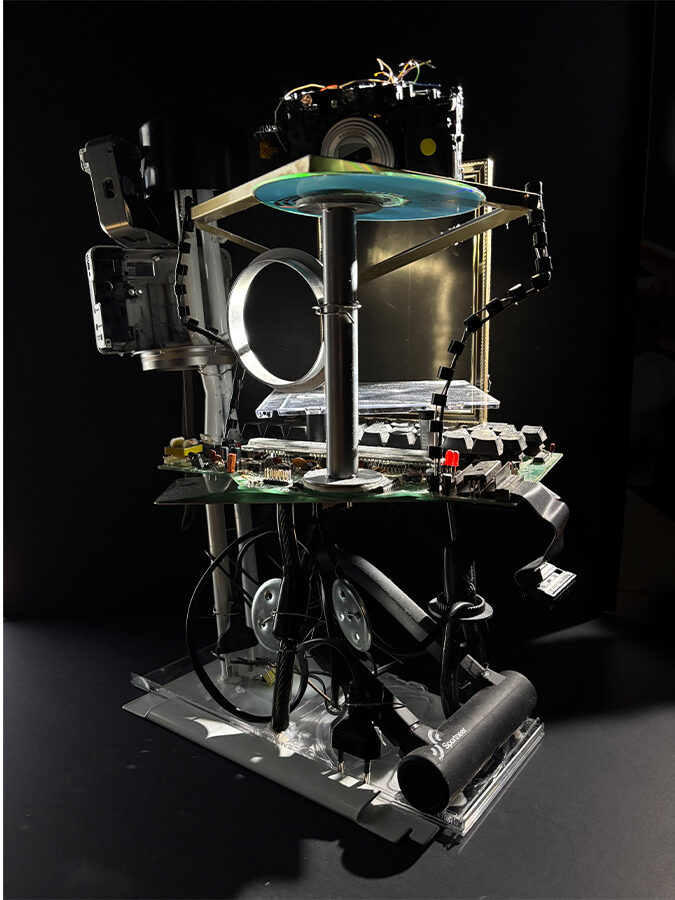
The project takes its name from the machine, specifically the idea of reversing one. The wealth generated by tourism has long flowed away from local communities. MAQUINA redirects that flow. It sits in the city as a youth cultural centre, a place where young locals are connected directly to the businesses, trades, and networks around them. It is not a generic community hub. It is a structure built around the specific economy and culture of its context.
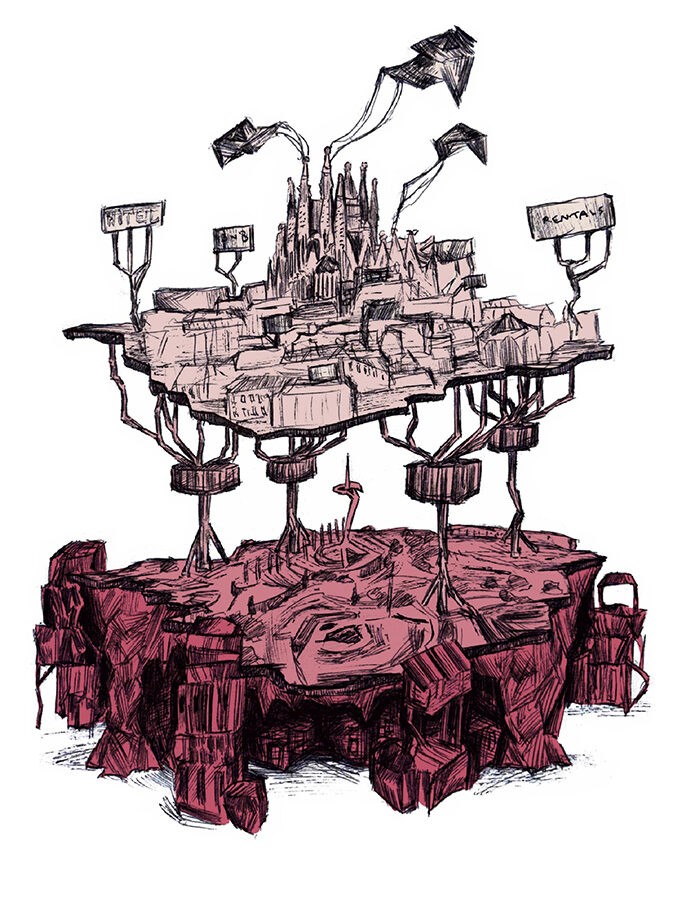
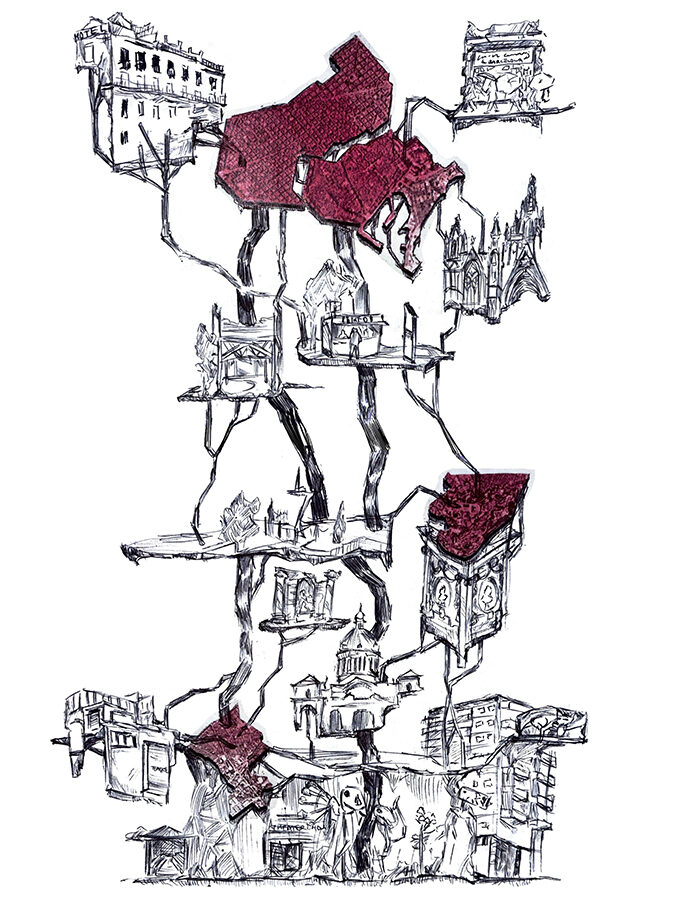
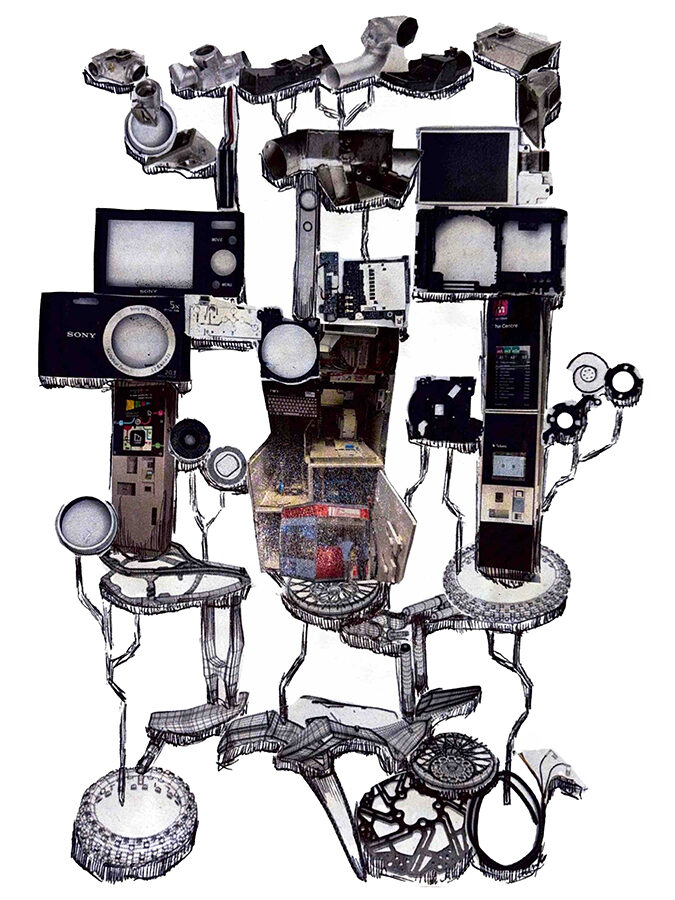
Modelmaking as a fabrication technique pushed the project from a conceptual framework to a working design. The building does not apply a uniform grid or a neutral framework. Instead, its components are positioned according to where partner businesses sit in the surrounding context, or in relation to practical infrastructure like fire escapes, daylighting and delivery routes. Each space has a reason for being where it is. The layout is intentional rather than imposed.
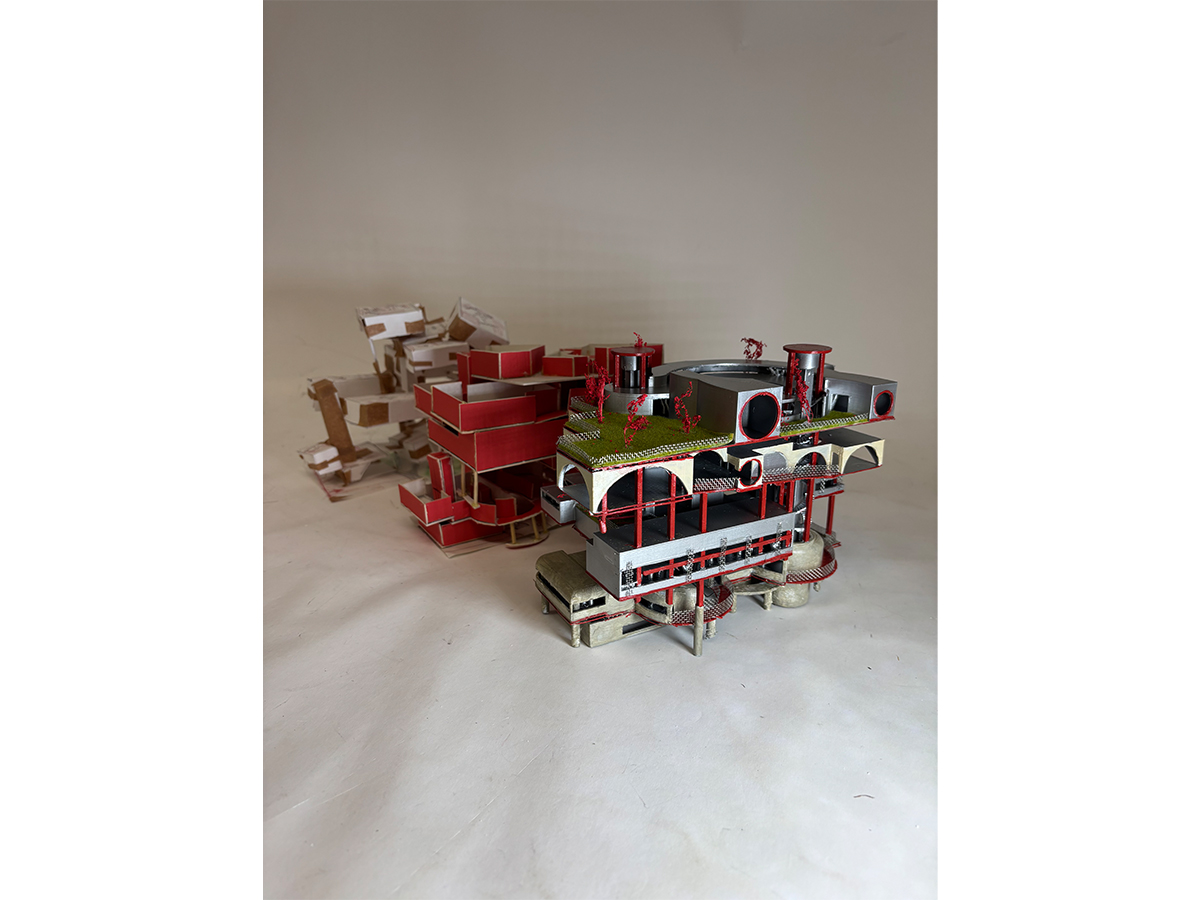
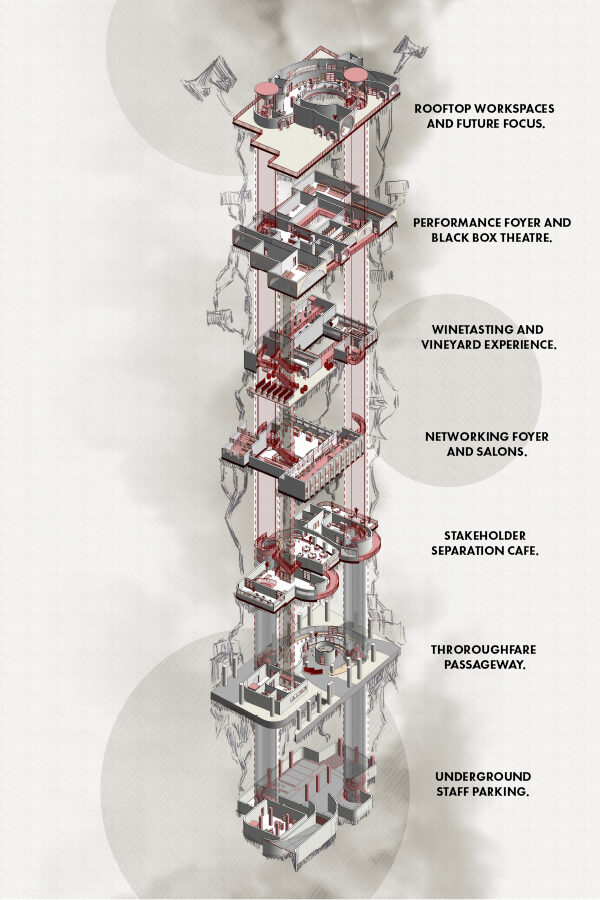
The facades change as the building rises. At ground level, the exterior is rough and layered, thick with tangled concrete that references tourism as the base condition of the city as it currently exists, something heavy and accumulated that has built up over time. As the building climbs, the surfaces become cleaner and more considered. The architecture grows more refined as the functions it contains become more directly tied to local life. The building is literally rising out of one condition and becoming something else.
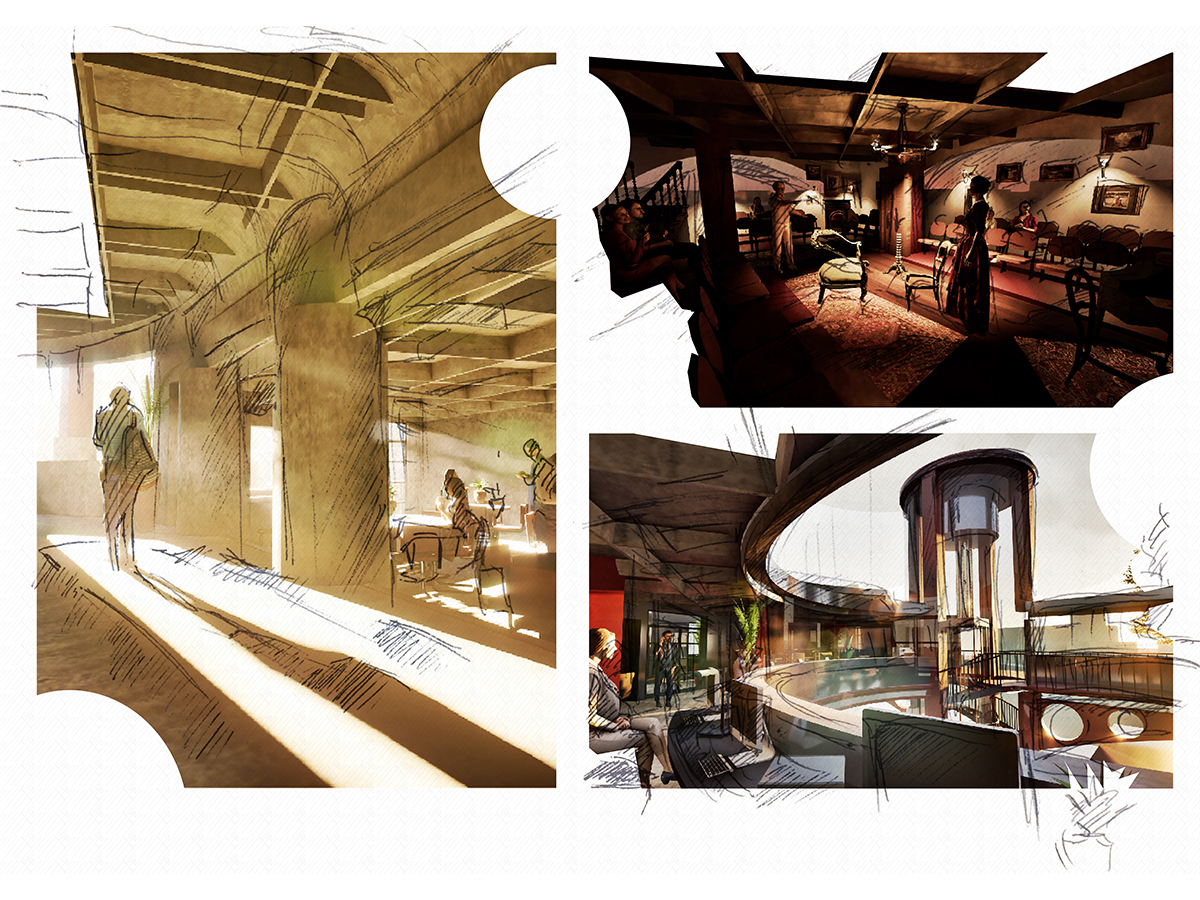
Near the top, a series of theatre spaces bring this idea to its conclusion. These are small black box theatres, designed deliberately to blur the line between performer and audience. The boundary between the two is not fixed. The facades here allow filtered light and glimpses of the city outside to enter through limited glazing, keeping the surrounding neighbourhood present even during a performance. These are not spaces designed to attract visitors or to showcase the city to outsiders. They are spaces made by locals, for locals, built on the idea that culture produced within a community belongs to that community.